


DIVES SPOTS OF ISLAND HVAR
Underwater World of the Northeastern Coast of Hvar offers :
‘ Thermal SPRING ‘Izvor termalne vode Hvar
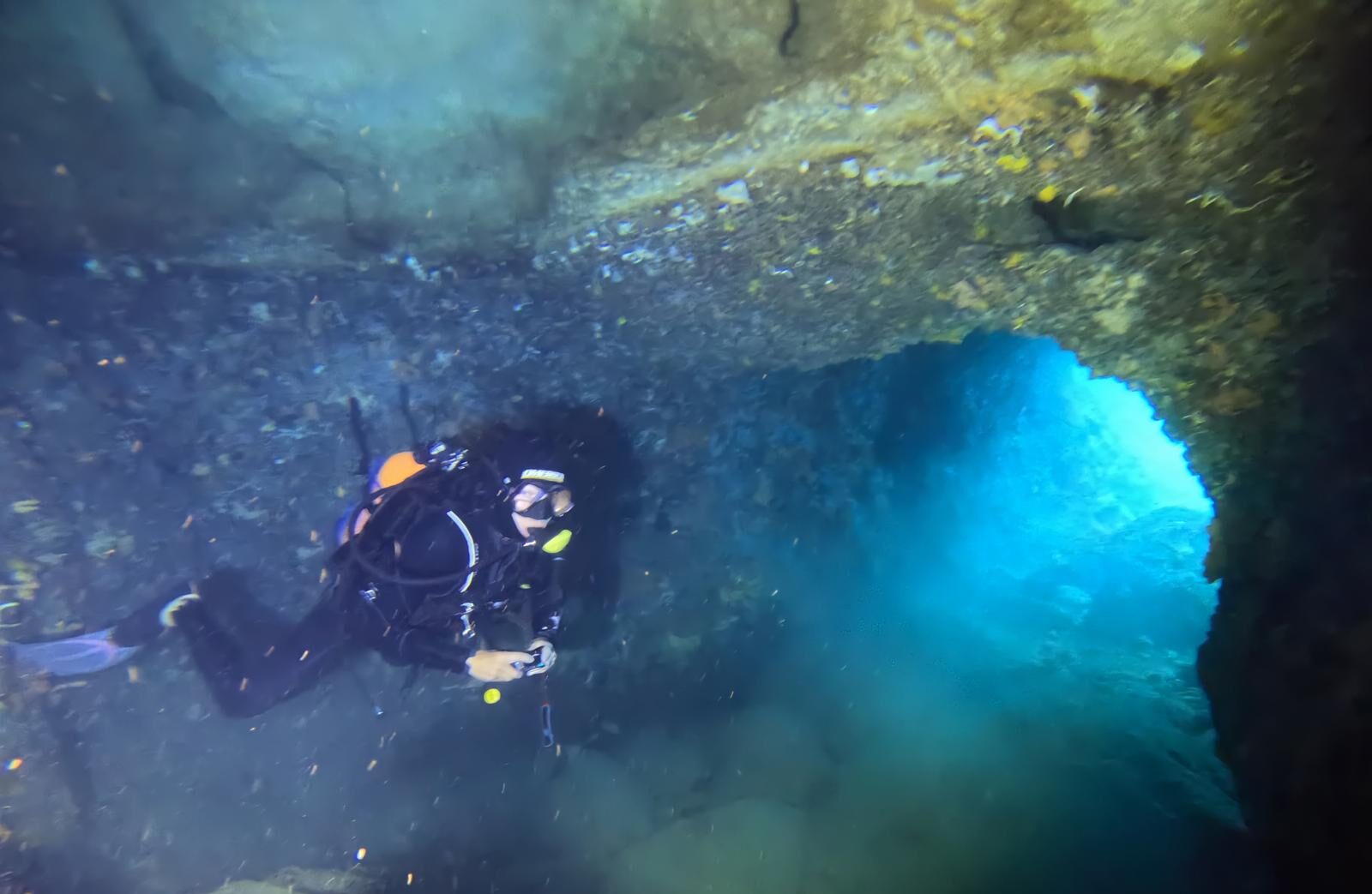
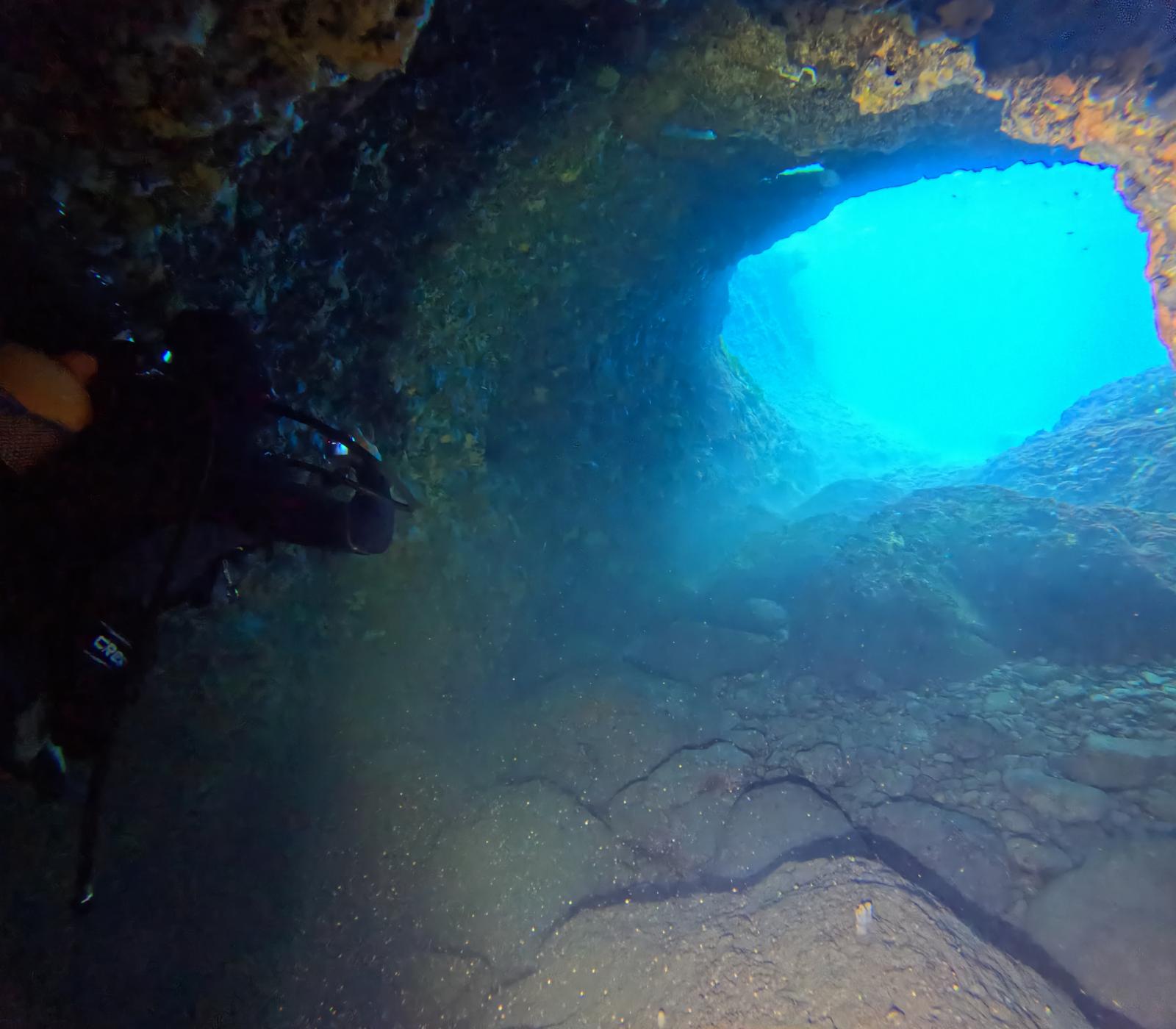
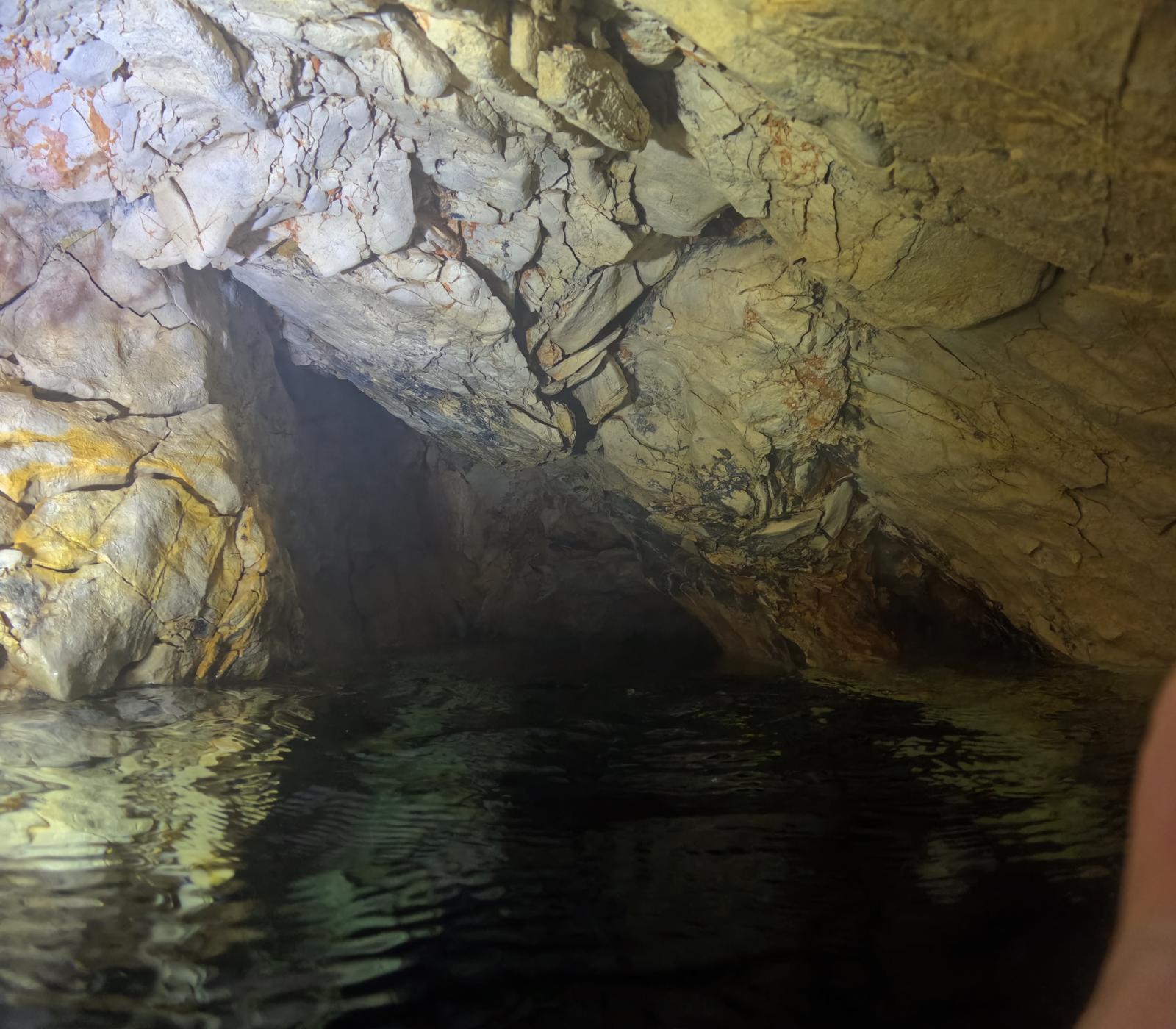
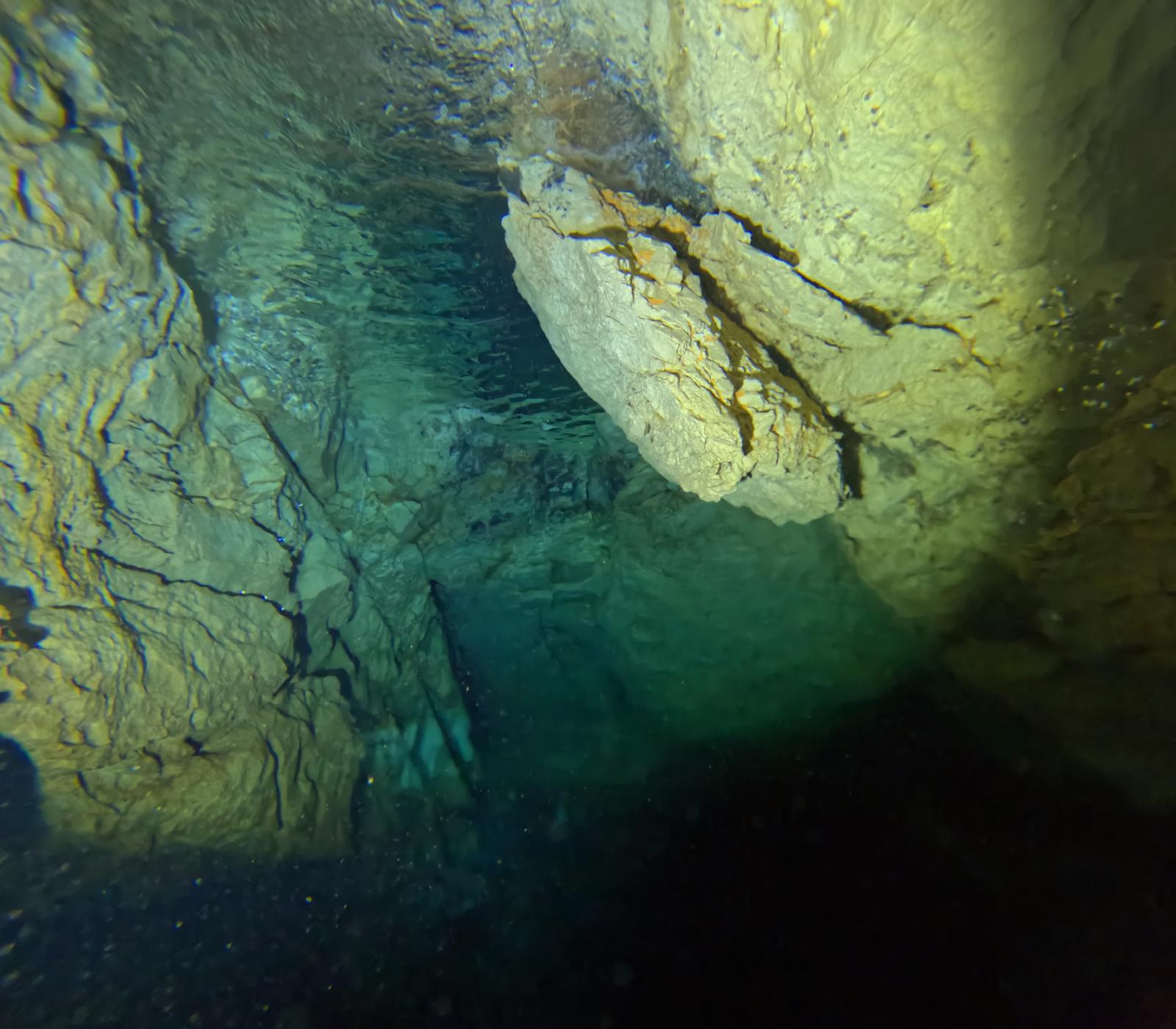
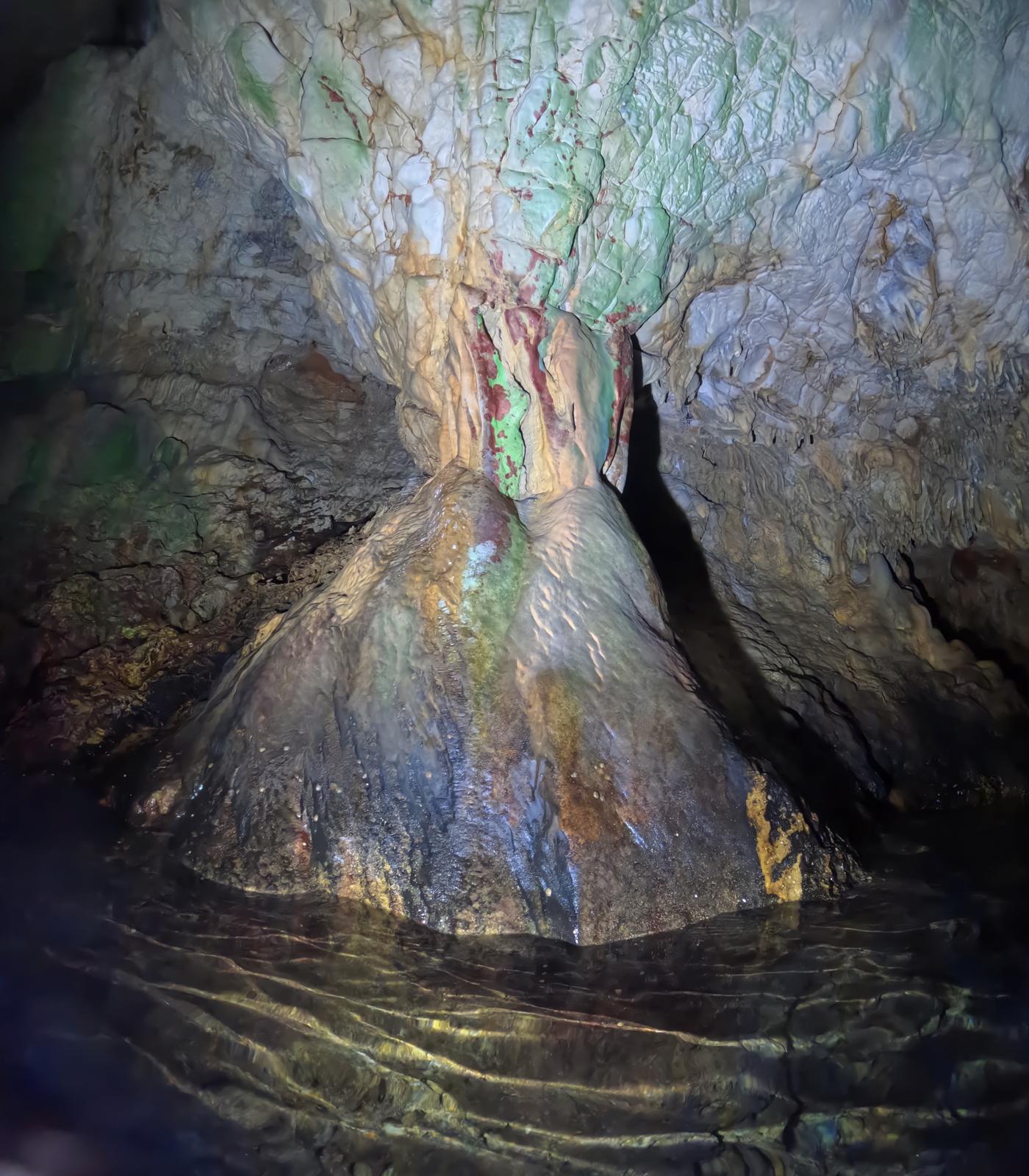
Depth is just 3m. Inside is hole with L shape. On the end is way up. You can see difference of sweet and sea watter. Temparature is 2 degrees warmer in summer. Walls on the front of cave are very reach healthy. Snorkeling group can see yellow coral on 1m depth
Morske orgulje ‘sea organ’
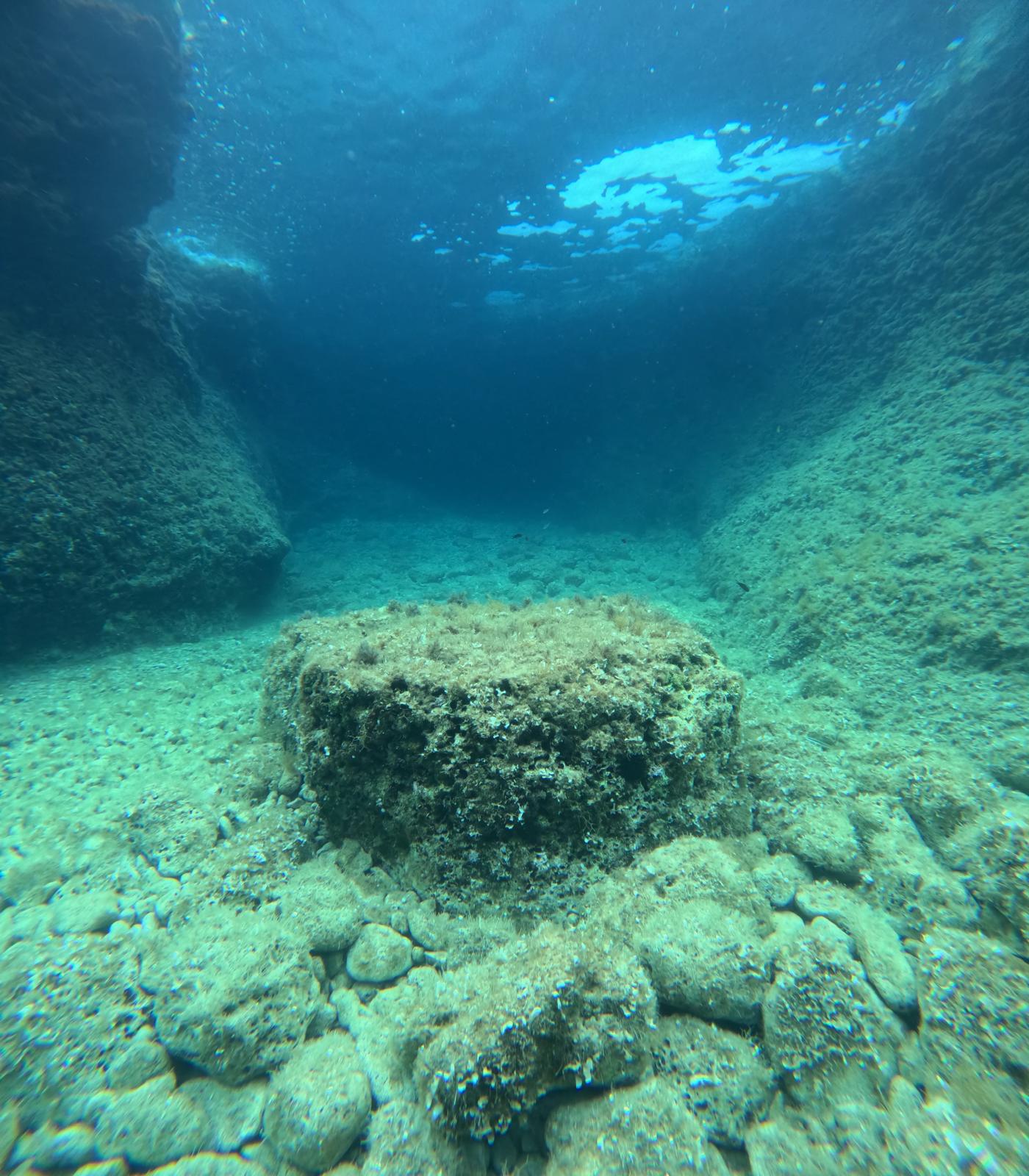
On the cape of the Hvar lagoon, in the clear, clean shallows in the rock, nature has created a sea organ, its cylinders and waves produce the sound of nature. Let’s take a look at this hidden place and take a look inside at a depth of 2m.
Na rtu Hvarske lagune u bistrom čistom pličaku u stijeni priroda je izradila morske orgulje njezine cilindre i valovi proizvode zvuk prirode. Pogledajmo to skrovito mjesto i pošpitimo unutra na 2m dubine.
Orgulje i resonatori .JPG
1.Lighthouse KABAL by Starigrad
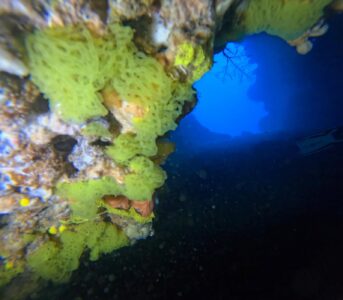
KABAL Lighthouse near Starigrad
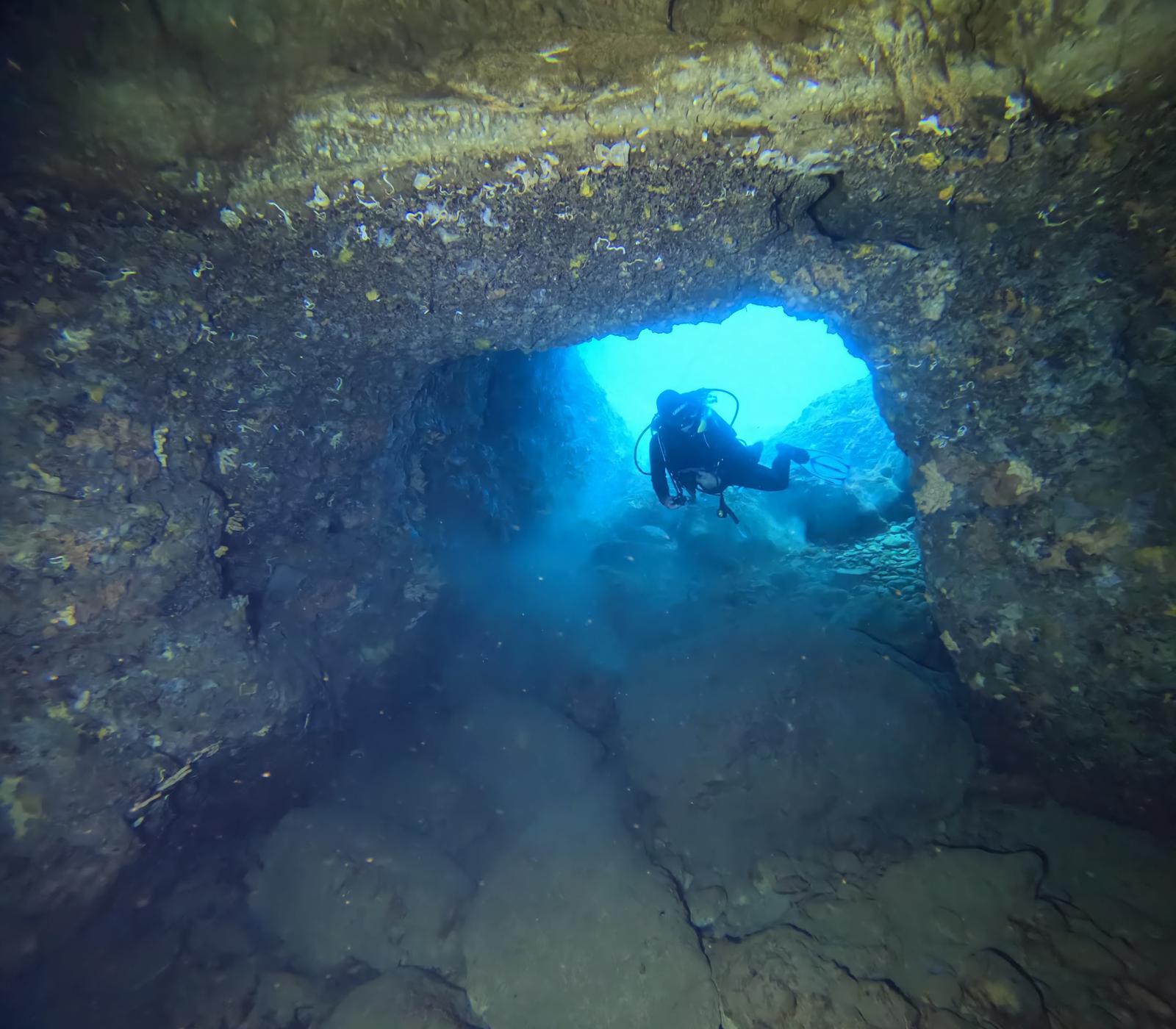
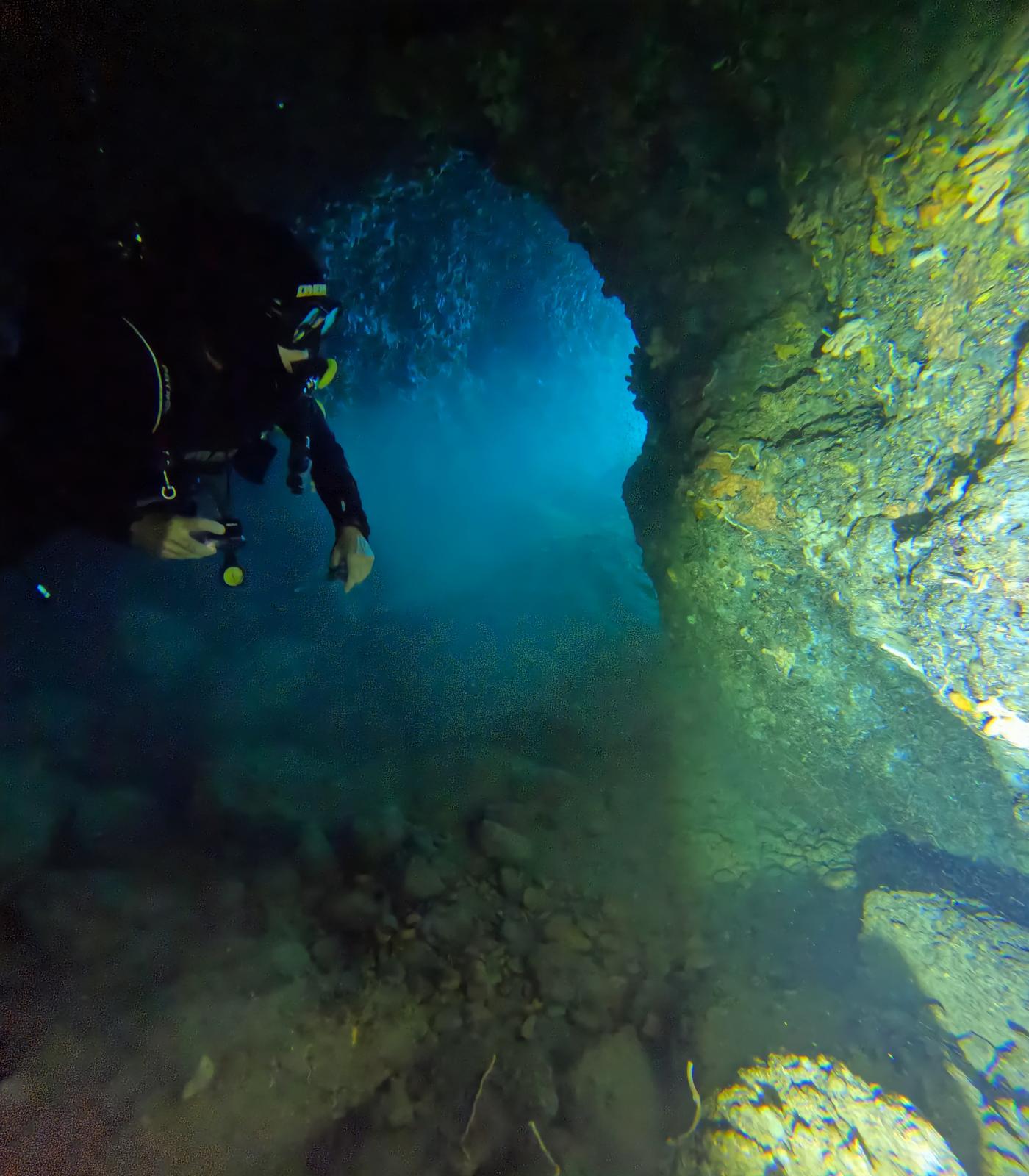
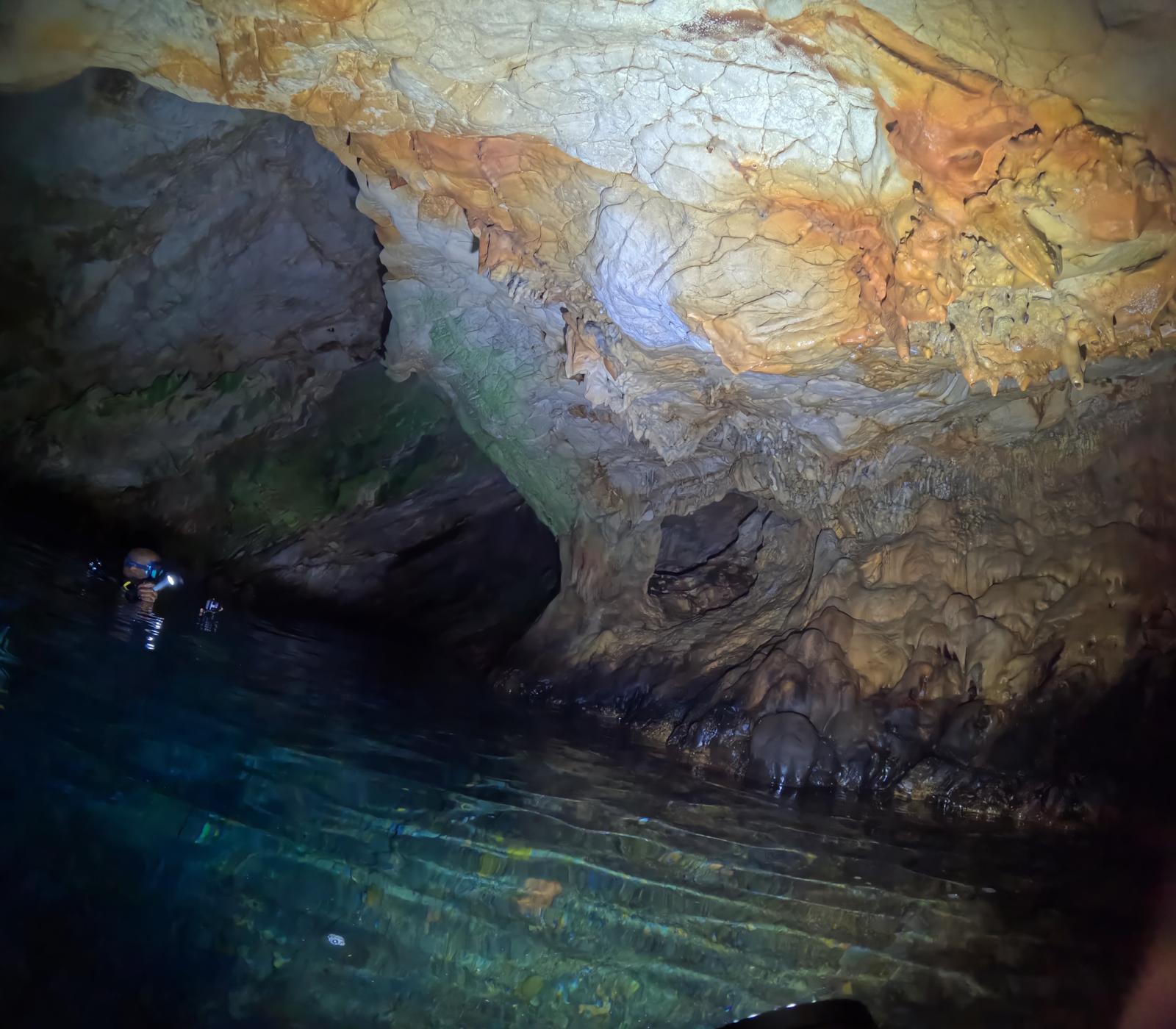
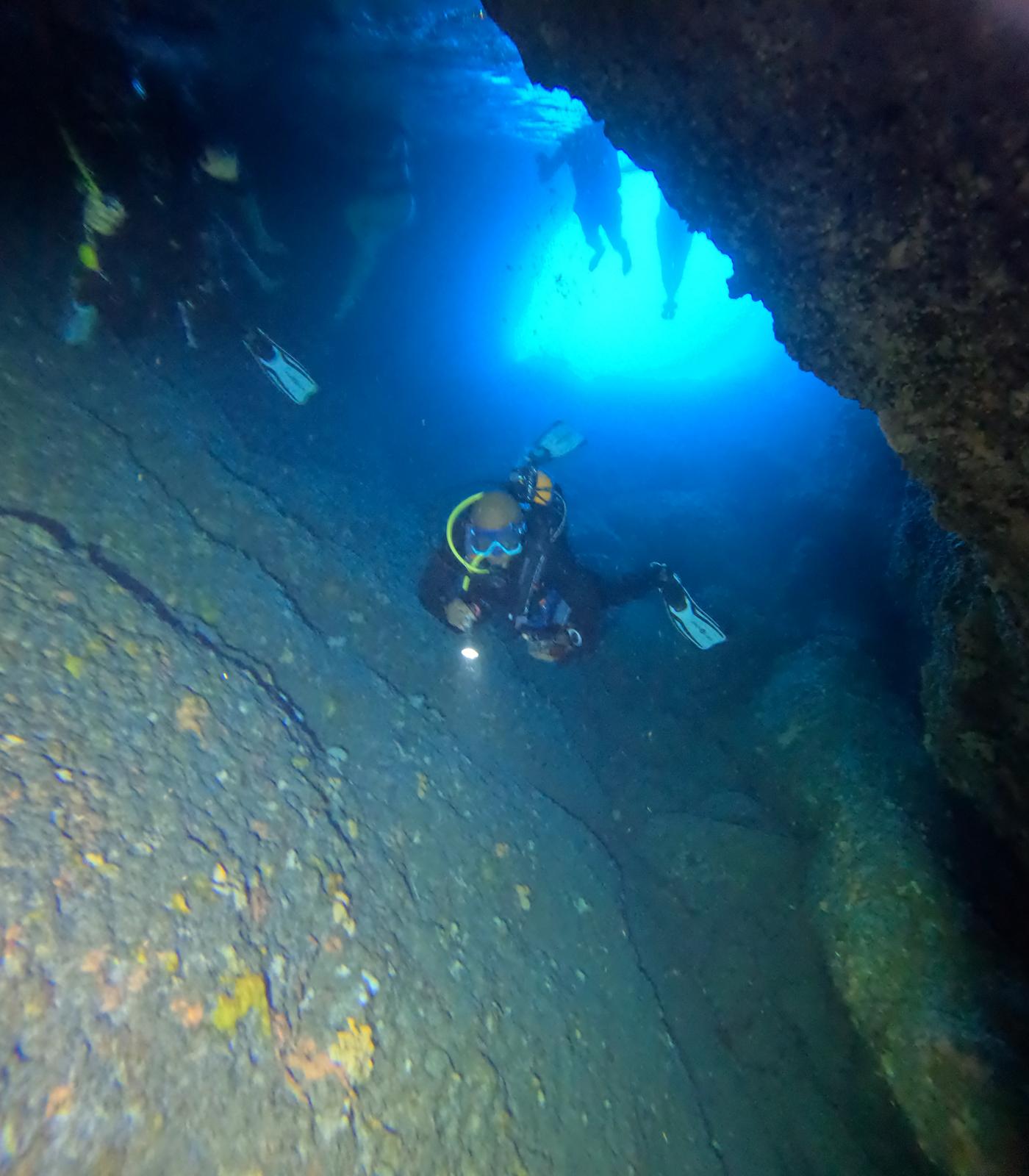
It is a coral wall with a tunnel in a cave with 2 doors. 8 m and 15 m. You enter the cave from one side of the point and exit from the other side of the point. A wonderful experience, isn’t it? Extremely rich marine life. And the visibility is huge.
Svjetionik KABAL kod Starigrada
To je koraljni zid s tunelom u špilji s 2 vrata. 8 m i 15 m.Sa jedne strane punte uđete u spilju a sa druge strane punte izađete. Predivno iskustvo zar ne? Izrazito bogat morski život. A vidljivost ogromna.
2. GLAVNA punta walls
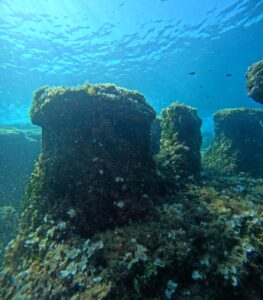 There are 2 walls North 18m and west 30-40m. It’s good for owd and Aowd divers.
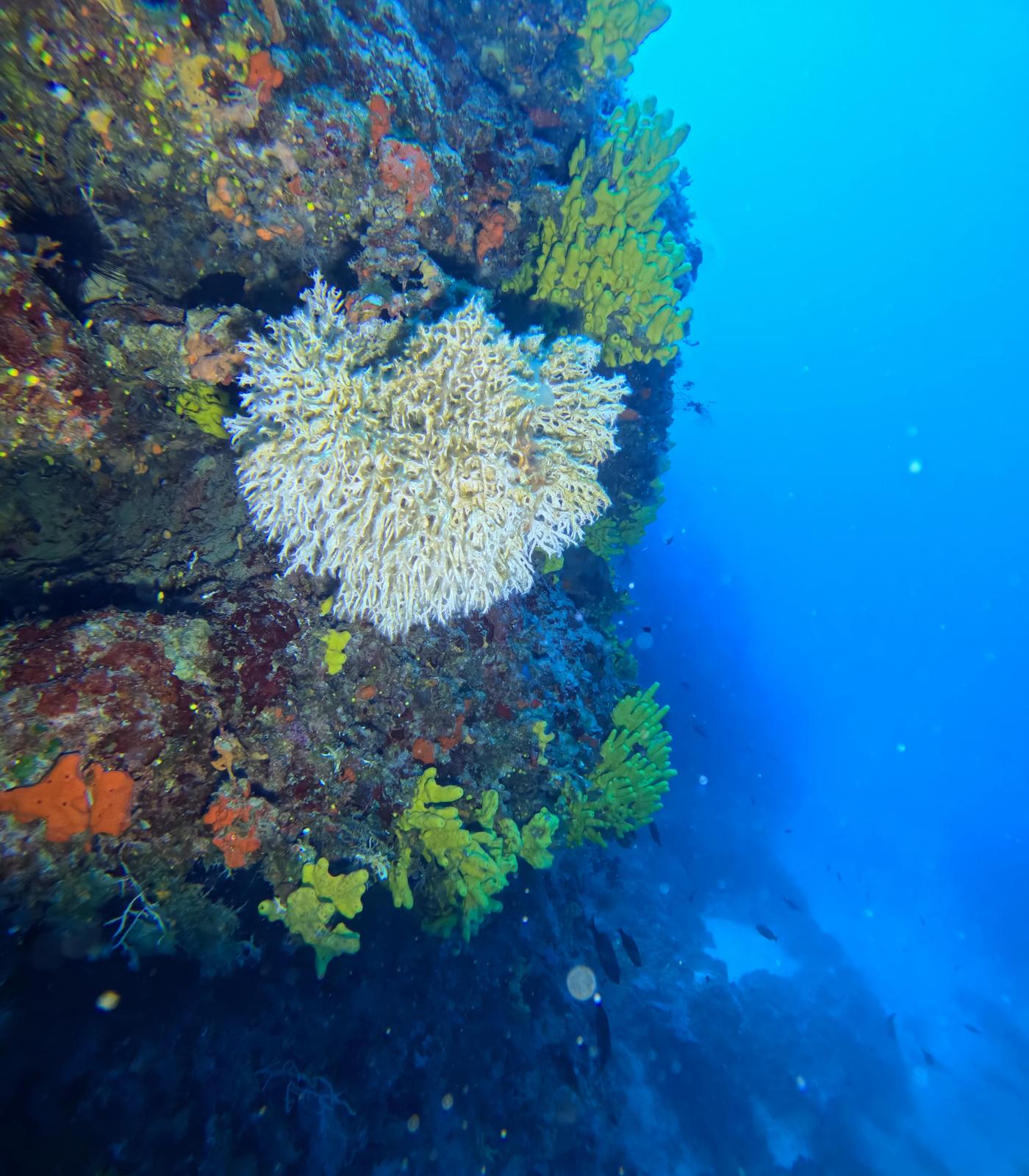
Punta Glavna on Hvar abounds with very healthy developed yellow gorgonia.
It is possible to photograph various rare and fallen fish, sponges, molluscs, echinoderms. This is a paradise for photographers! The ridge is a wall up to 40 m vertical with a canyon, then the next cascade is even deeper. On the Wall there is a long notch at 35m with crab caves. Beneath the ship at 12 m there are stone heads, a real miracle!
The art of nature.
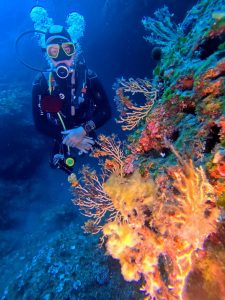
Punta Glavna na Hvaru obiluje jako zdravom razvijenom žutom gorgonijom.
Moguće je fotografirati raznu rijetku i oboritu ribu spužve plaštenjake mekušce bodljikaše. Ovo je raj za fotografe! Greben je zid do 40 m vertikala sa kanjonom zatim sljedeća kaskada još dublje. Na Zidu se nalazi dugi usjek na 35m spilja sa rakovima. Ispod broda na 12 m su kamene glave čudo pravo!
Umjetnost prirode .
3. Blue cave Hvar
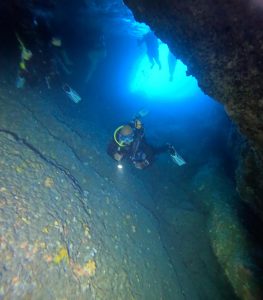
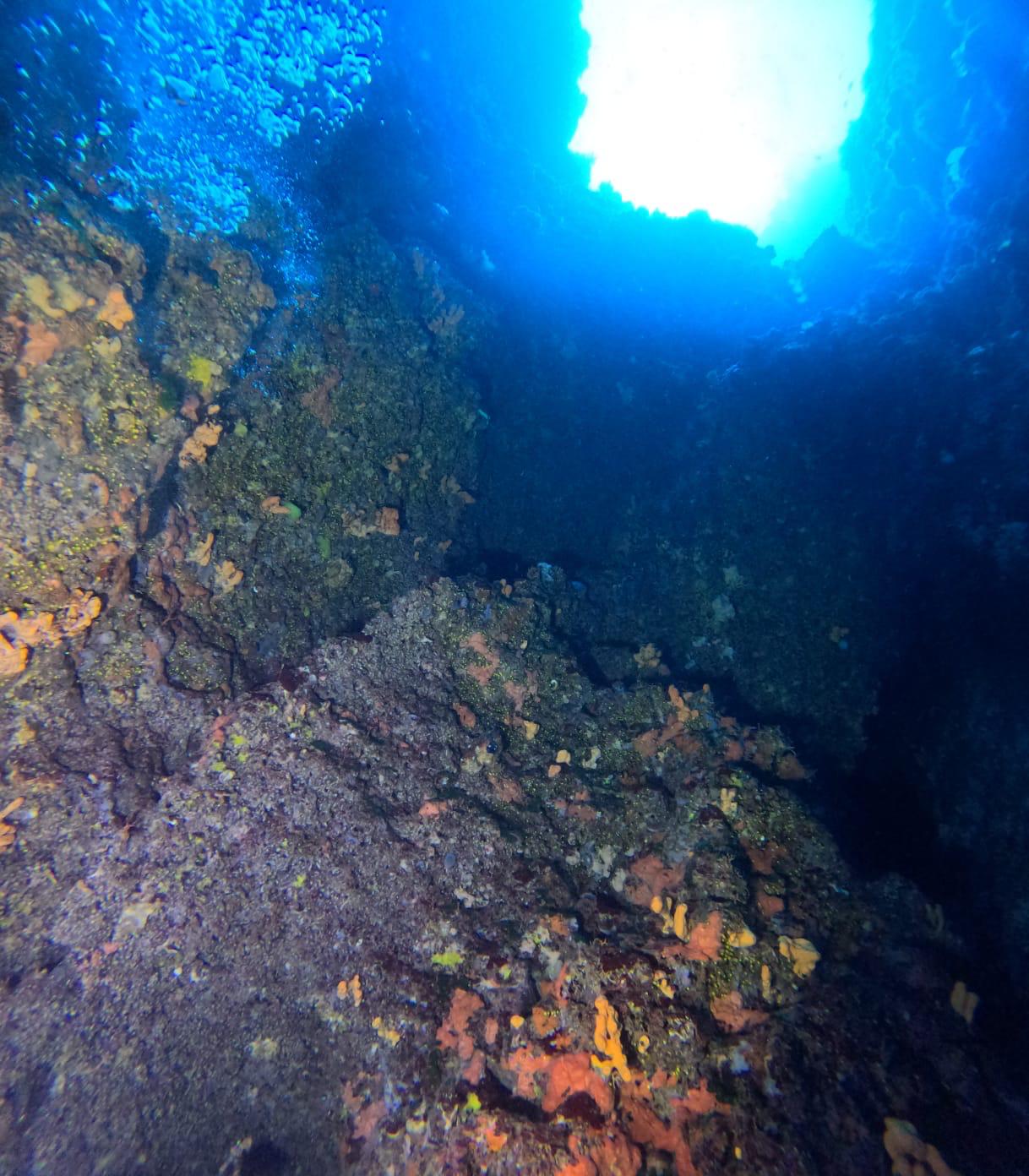
The Blue Cave on Hvar has become a popular place for diving and snorkeling. It is located on the surface with a small entrance for swimmers and a wide entrance for divers. Swimmers are fascinated by its colors and the reflection of the blue turquoise surface. If you have a flashlight, you will see the different colors of the walls and the shapes that the water has created. The depth is only 3m and on the bottom and walls there are corals, algae, tunicates, mollusks and echinoderms. In front of it are the reef walls that go up to 28m. Continue to dive on the wall, visiting the holes and filming fish, corals, sponges. At the tip we have a labyrinth for children’s diving and beginners at only 2-3 meters deep. The place is huge, so you can see everything in 1 dive of an hour.
Modra špilja na Hvaru je postala popularno mjesto za ronjenje i snorkeling. Nalazi se na površini sa malim ulazom za plivače i širokim ulazom za ronioce. Plivaći su fascinirani njenim bojama i odrazom plave tirkizne površine. Ako imate lampu vidjet ćete različite boje zidova oblike što ih voda stvorila . Dubina je samo 3m i na dnu i zidovima nalaze se koralji,alge,plaštaši,mekušci i bodljikaši.
Ispred nje su zidovi grebena koji idu do 28m. Nastavak za ronjenje na zidu obilazeći rupe i snimajući ribu koralje spužve. Na špici imamo labirint za dječja ronjenja i početnike na samo 2-3 metra dubine. Mjesto je ogromno da bi se baš sve vidjelo u 1 zaron od sat vremena.
long horizontal cave
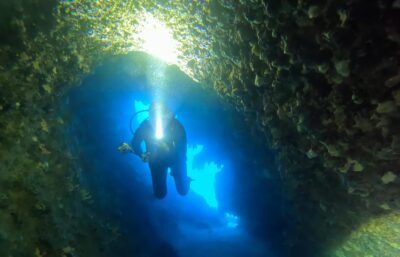
is on the walls on 28m. You can dive 70 m inside horizontal. It is very different sound of surface, different pressure feeling. Beautiful walls left right up down. On the way back is bad visability if you didnt care before sbout it.
4. Punta Reef walls
- Punta 3 nosa
- Punta kruševa
- Punta Sinjava
- Punta tanki rat
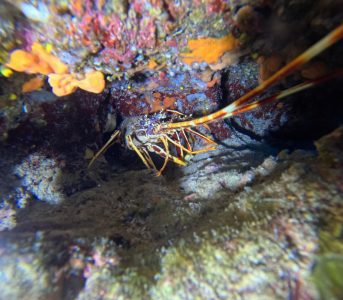
is possible for all divers! We find nice holes rich with sea life. Its mountain falling down.
5. Greek antique wreck
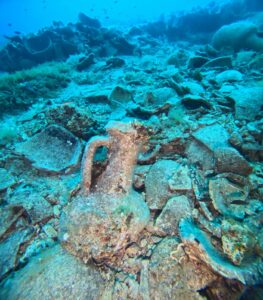
Historical site from the 3rd century BC
9Greco-Illyrian conflicts and trade of Hvar and Vis with Makarska and the coast.
The ship sank off the coast of Hvar at a depth of 15 – 25m. The site has been well preserved and not devastated in the last 30 years!
A clean and wild part of Hvar is a delight for divers who like to photograph antiquities!
An amphora is an ancient ceramic pot with a long, narrow neck, two handles, and, most often, a pointed bottom. It was used to transport and store wine, oil, honey, salted fish, dates, grains, etc. Its specific shape was created by adapting to the needs of ship transport. They appeared in Greece, were taken over by the Romans, and were produced until the 11th century in the Byzantine area. The shape of amphorae (roundness, length of the neck, appearance of the handle) depends on the place of production, so there are Greek (which are the only ones decorated and sometimes have a widened bottom on which they can stand on their own), North African, Spanish, Istrian, Italian, and Roman.
6. wreck B 24 airplane
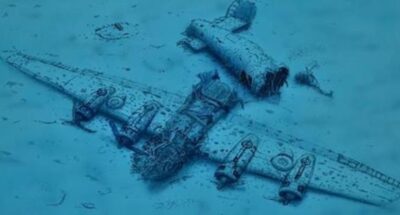
The remains of a sunken American B-24 Liberator aircraft from World War II are located 3 nautical miles west of Sućuraj, between the islands of Hvar and Pelješac. It was determined that it was an American bomber, type B-24 Liberator, with the following characteristics: Length 20.5 m, wingspan 33.5. m, weight 25.5 tons, with 4 Whittney & Pratt engines. According to available data, it is probably the aircraft number 4-251874 of the USAAF. The aircraft broke into two parts when it hit the sea surface and its remains are located at a depth of 40 meters. The aircraft in question is one of the rare remains of aircraft from World War II found so far in the Adriatic.
7. Wreck BEUS
B.E.U.S.JPG
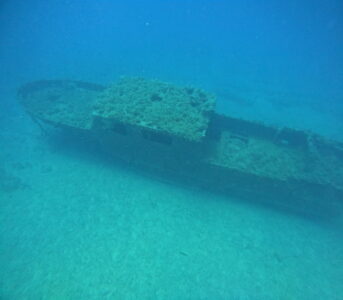
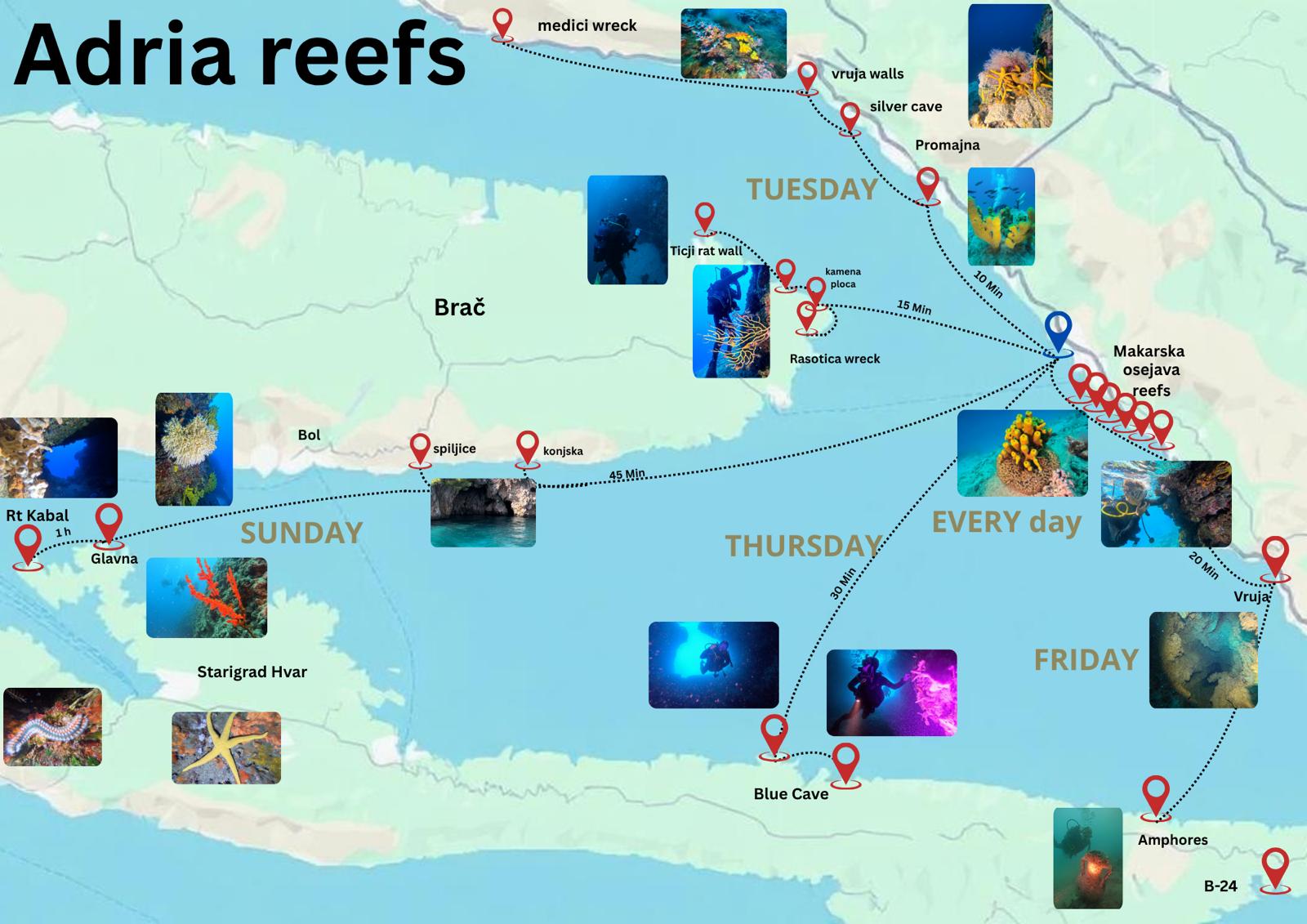
The wreck is laying W-E on the 28m depth of South coast island Hvar . It’s 20m long, 6m wide and 8m high. It was sunk in the Croatian war in 90’. In the Neretva channel there are often wind waves currents and visibility c10m. AOWD divers with experience are recommended . The trip is half day from 8 to 12 30. We drive with speed rib boat highfield patrol 20 kn and need 40 min.
Olupina broda leži u smjeru Z-I na 28 metara dubine na južnoj obali otoka Hvara. Duga je 20 metara, široka 6 metara i visoka 8 metara. Potopljena je u hrvatskom ratu 1990-ih.
8. Smočiguzica Reef and walls
Are very very rich sea life rocks!
HIT of 2026!
9.Oskorušica and Tatinja walls
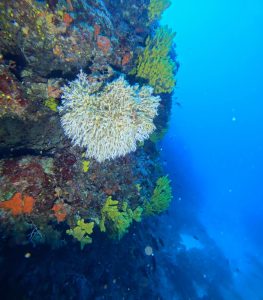
It is beautiful big rich walls. Sea life is uniq there with white gorgonia and yellow spunch. Last dive was lion fish murray and langusta. It is my favorit.
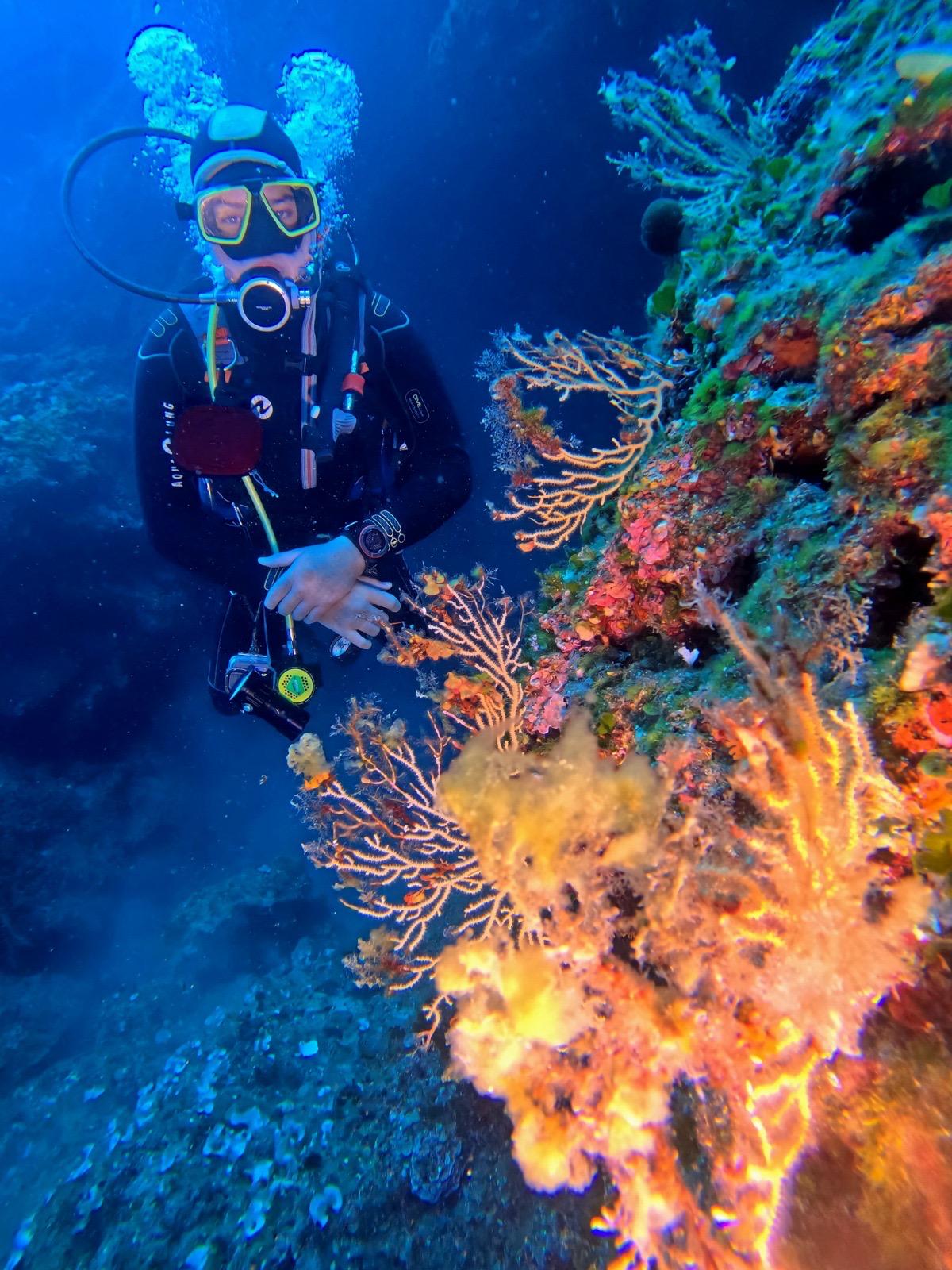
Shallow Zone (0–20 m)
The northeastern coast of Hvar is known for its calm, exceptionally clear sea and varied shallow underwater terrain. Here you’ll find rocky terraces, small reefs, sandy patches, and scattered Posidonia grasslands.
Marine Life (0–20 m)
Common Adriatic species in this zone include:
- Salema, seabreams, wrasses
- Octopus, cuttlefish, moray eel
- Scorpionfish, seahorses
- Starfish, sea urchins, sea cucumbers
These sheltered shallows are ideal for snorkeling, beginner divers, and underwater photographers.
Reefs & Caves (15–25 m)
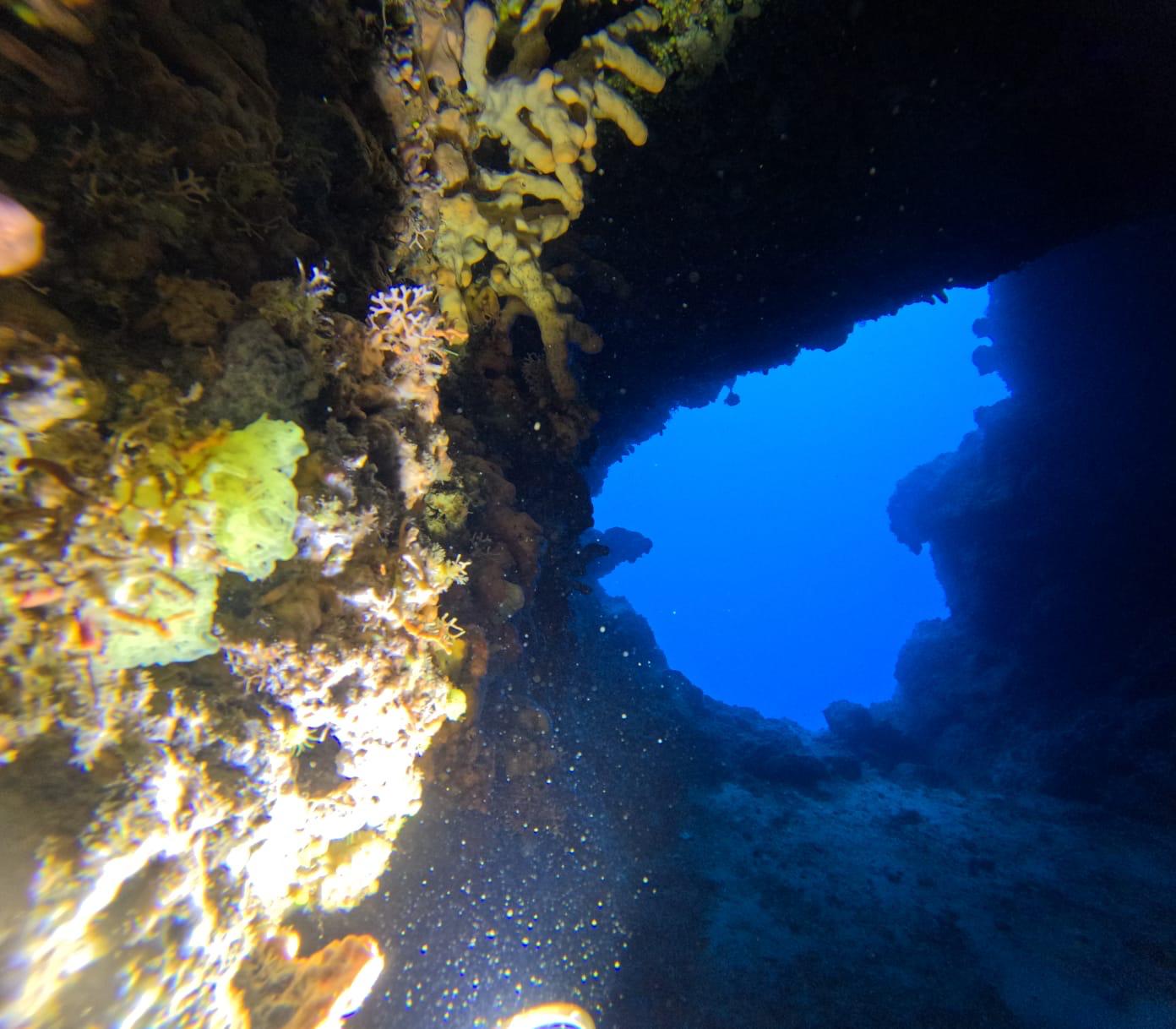
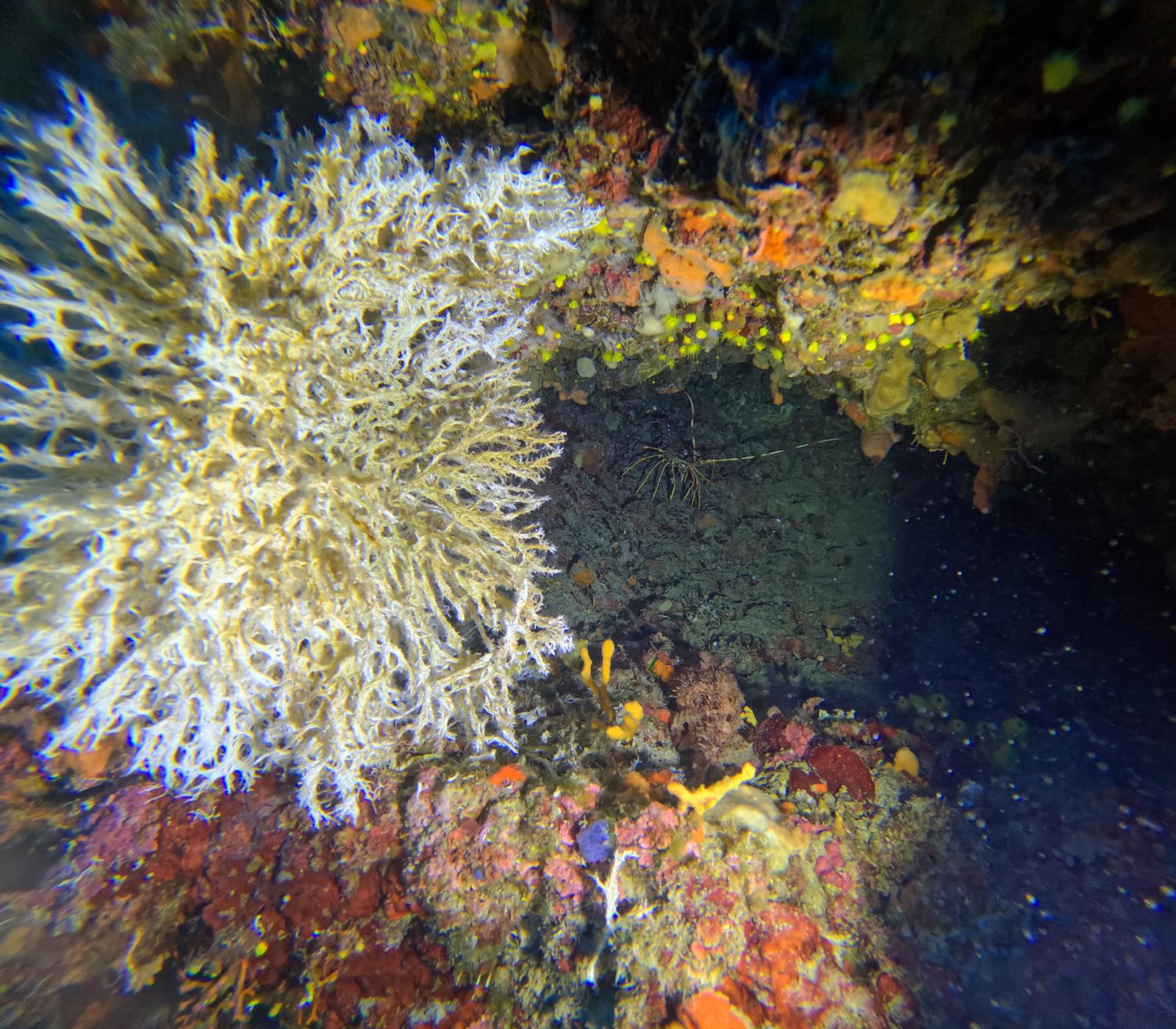
Moving slightly deeper, the terrain becomes more dramatic, transitioning into rocky ridges (reefs) and small underwater caves. Light creates beautiful contrasts over the colourful benthic life.
Typical Species
- Sponges (yellow and orange)
- Small gorgonians
- Sea squirts
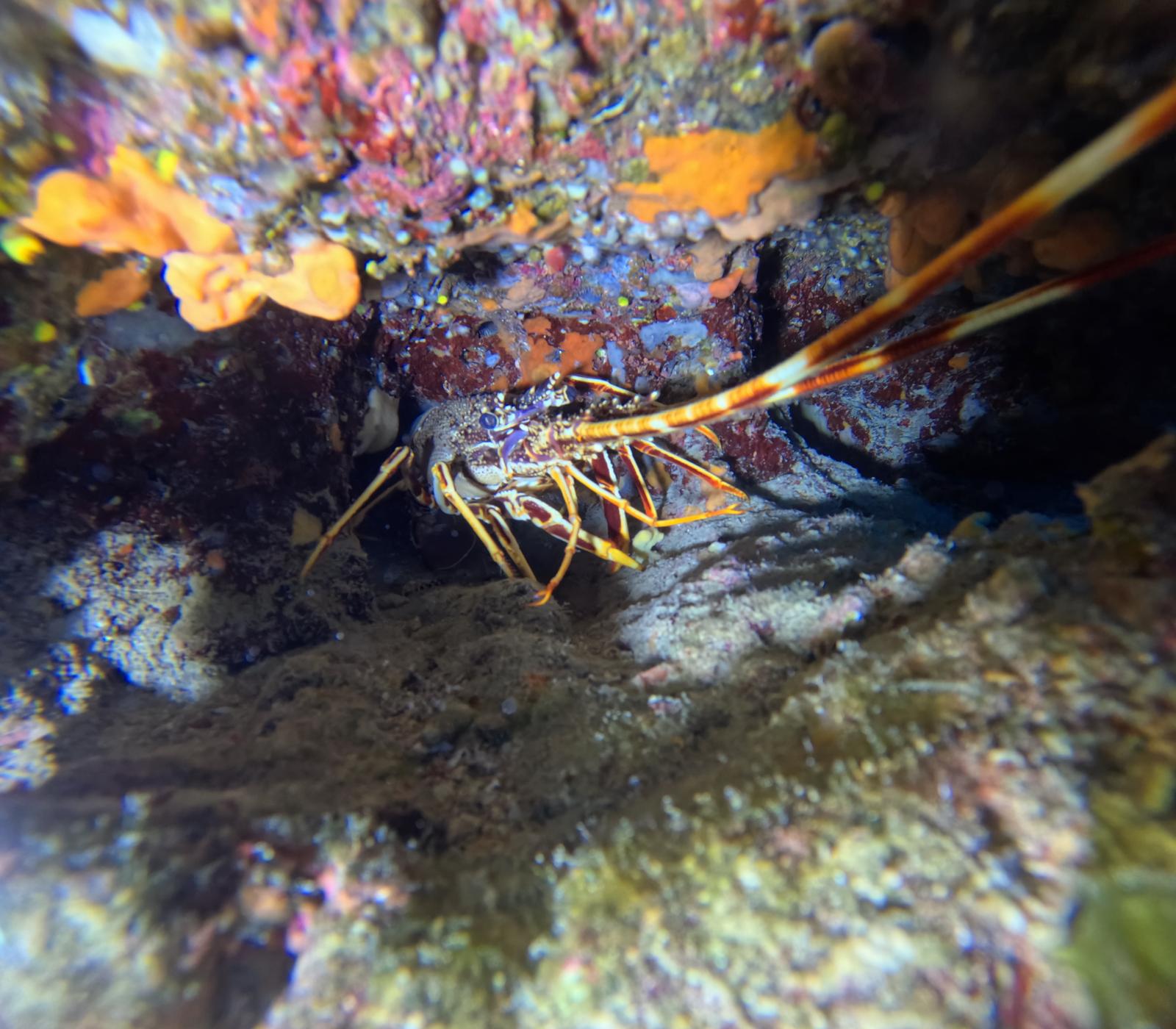
- Lobsters and squat lobsters hidden in crevices
- Schooling fish like damselfish and small anthias around reef edges
These areas offer excellent conditions for intermediate divers who enjoy exploring natural formations.
Walls & Drop-offs (25–40 m)
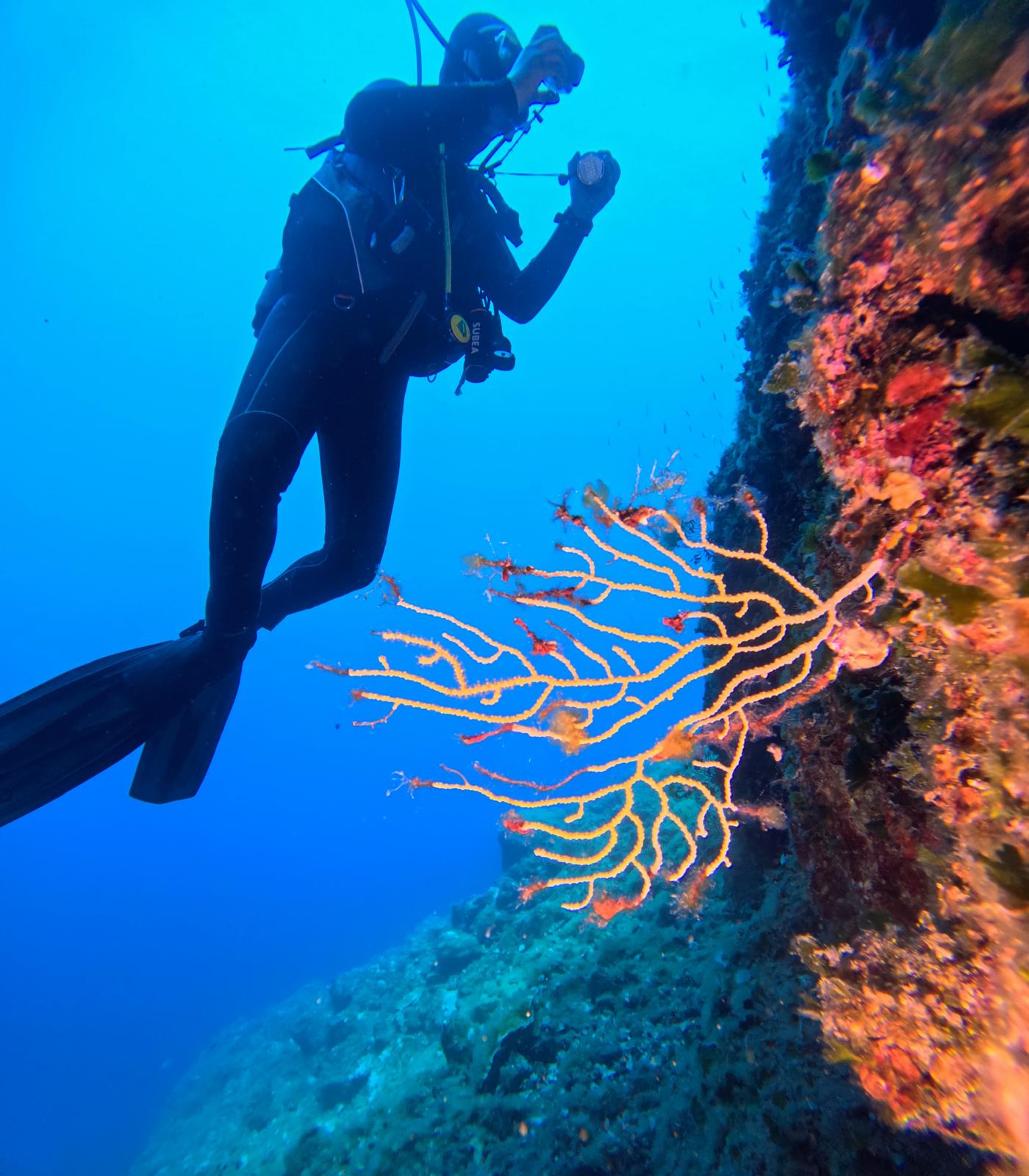
At several locations the seabed drops abruptly, forming steep walls covered with vibrant filter-feeders. These vertical faces are among the most visually stunning underwater scenes on Hvar’s northeastern coast.
Marine Life (20–40 m)
- Gorgonians (Eunicella cavolini, E. singularis)
- Red and yellow sponges (Axinella spp.)
- Dead man’s fingers soft corals
- Anthias (orange reef fish)
- Large scorpionfish, dusky grouper
- Lobsters, cave shrimps, spider crabs
Excellent visibility and vertical relief make this zone perfect for experienced divers seeking colourful, dramatic underwater walls.
A Rich, Quiet, and Colourful Adriatic Habitat
The northeastern coast of Hvar offers a mix of shallow reefs, caves, and deeper vertical walls—making it one of the most rewarding and diverse diving areas in the region.
Podmorje sjeveroistočne strane otoka Hvara
Plitko područje (0–20 m)
Sjeveroistočna obala Hvara poznata je po mirnom i iznimno bistrom moru te raznolikom plitkom podmorju. Dno se izmjenjuje između kamenih terasa, grebena, pješčanih udolina i livada posidonije.
Živi svijet (0–20 m)
U ovoj zoni najčešće susrećemo:
- Ušate, šarage, fratre, knezove i pisanice
- Hobotnice, sipe, murine
- Škarpine i morske konjice
- Morske zvijezde, ježince i trpove
Mirne pličine idealne su za snorkeling, početničke zarone i podvodnu fotografiju.
Grebenski sustavi i špilje (15–25 m)
Niz dublje, reljef postaje izraženiji – pojavljuju se kameni grebeni, podmorske terase i manje špilje. Kontrasti svjetla i boja posebno dolaze do izražaja u jutarnjim satima.
Tipične vrste
- Žute i narančaste spužve
- Manje gorgonije
- Morski tuljci (ascidije)
- Jastozi i kozice skrivene u procjepima
- Jata glavoča, chromisa i manjeg anthiasa
Odlična zona za rekreativne ronioce koji vole istraživati prirodne formacije.
Zidovi i litice (25–40 m)
Na nekoliko lokacija dno naglo prelazi u strme podmorske zidove i litice. Ovi vertikalni padovi bogati su filtratorima i jednim od najživopisnijih zajednica na Hvaru.
Živi svijet (20–40 m)
- Gorgonije (ružičaste i žute – Eunicella spp.)
- Crvene i žute spužve (Axinella spp.)
- Mekani koralji – mrtvački prsti (Alcyonium acaule)
- Anthias – jata narančastih ribica uz zid
- Velike škarpine i kirnje
- Jastozi, kozice u špiljama i pauci (Maja squinado)
Izvrsna vidljivost i dramatičan reljef čine ove lokacije savršenima za iskusnije ronioce.
Tiho, bogato i raznoliko jadransko podmorje
Sjeveroistočna obala Hvara nudi spoj plitkih grebena, špilja i dubljih zidova – jedno od najraznovrsnijih i najzanimljivijih ronilačkih područja u ovom dijelu Jadrana.
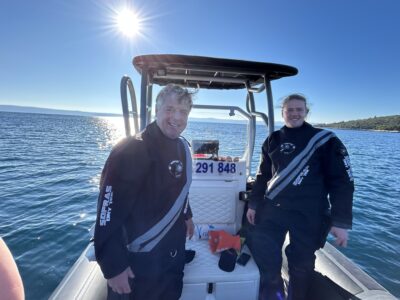 Welcome dear divers try out winter dives abd every day at 10 we wait you!