


WRECKS
Your wish is our plan! Write in reservation check in form and you will get it!
https://docs.google.com/forms/d/e/1FAIpQLSfF7iY_D7GOPylSfnAJ_NcsG5863ZRK6KFd8XrhIMQFe5IWQA/viewform
B 24 liberator bombarder Hvar
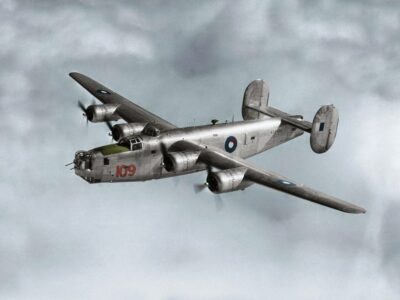
“Le Petite Fleur” is a B-24 bomber of the US Air Force from World War II. Lieutenant Eddie Doherty flew every day with his crew from his Italian base bombing raids against German, Austrian and Hungarian cities.
On November 20, 1944, a B-24 bomber during an air raid on Blechhammer in Germany was so badly damaged that Lieutenant Eddie Doherty was forced to make a water landing near the island of Hvar. The entire crew survived the crash.
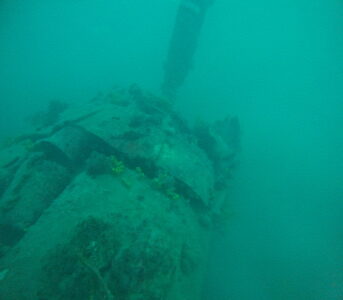
The aircraft is at 45 m, the fuselage and engines with propellers are very well preserved.
engine.JPG
The Liberator was a complicated machine and was demanding to fly. The wing was of superior design (deep section, with a sharp camber and a reflex curve on the underside) and produced less drag than conventional wing. However, as it was cleared for greater weights, its takeoff performance became critical. In-flight controllability was marginal and escape from a stricken aircraft was difficult.
The B-24 D had a crew of ten, four Pratt & Whitney R-1830 Twin Wasp radial piston engines and had a maximum speed in the order of 275KTAS (490km/h). Its combat radius was about 950 n miles (1730km) with a 5000lb (2270kg) bomb load. It was very vulnerable to head-on attack and despite progressive modifications to increase its armour plating, the shortcoming remained.
Ostatci potonulog američkog aviona B-24 Liberator iz Drugoga svjetskog rata nalaze se 3 nautičke milje zapadno od Sućurja, između otoka Hvara i Pelješca. Ustanovljeno je da se radi o američkom bombarderu, tipa B-24 Liberator slijedećih karakteristika: Dužina 20.5 m, raspon krila 33.5. m, težina 25.5 tona, s 4 motora Whittney & Pratt. Prema dostupnim podacima vjerojatno se radi o aparatu broj 4-251874 USAAF-a- Avion se pri udaru u morsku površinu raspao na dva dijela i njegovi ostaci nalaze se na dubini od 40 metara. Predmetni avion jedan je od rijetkih do sada pronađenih ostataka zrakoplova iz Drugoga svjetskog rata na području Jadrana.
Poručnik Eddie Doherty je letio svaki dan sa svojom posadom iz njegove talijanske baze i vodio bombardiranja protiv njemačkih, austrijskih i mađarskih gradova.
1 Jahta Pokrivenik
300m from the punta lies a 51 m burnt yacht at the bottom. It is covered with a net. The cabins were burned and the entire hull, high bow (bow) and transom remained. The story is that it burned and floated all day.
300m od punte leži na dnu 51 m spaljena jahta. Prekrivena je mrežom. Kabine su izgorile a ostao je cijeli trup,visoka prova ( pramac) i krmeno zrcalo. Priča je da je gorio i plutao cijeli dan.
2 Pionier landungs boot
Tek dive 54m
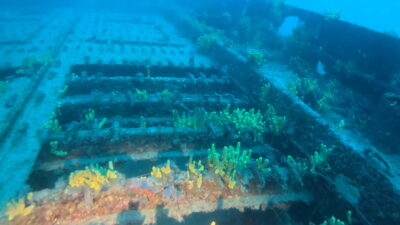
PiLaBo dive plan
Locating and throwing a signal buoy. Anchoring briefing partner control.
Diving with a signal rope. Checking buoyancy and partner every 10m. Turning on cameras and lights at 40m. Additional descent and navigation of the wreck and filming with perfect maintenance of buoyancy and partner control. This technical diving plan at a depth of 54m includes a 4-minute stay on the wreck and a decompression ascent of a total of 20 minutes.
In the case of reduced visibility below 10m, it is immediately necessary to surface.
Plan zarona PiLaBo
Lociranje i bacanje signalne bove. Sidrenje brifing kontrola partnera.
Zaranjanje uz signalni konop.Provjera plovnosti i partnera svako 10m. Paljenje kamera i svjetlosti na 40m. Dodatno spuštanje i navigacija olupine i snimanje uz perfektno održavanje plovnosti i kontrole partnera. Ovaj plan tehničkog ronjenja na dubini 54m obuhvaća 4 minute boravka na olupini i izron na dekompresiji od ukupno 20 minuta.
U slučaju smanjene vidljivosti ispod 10m.Ide se odmah na izron.
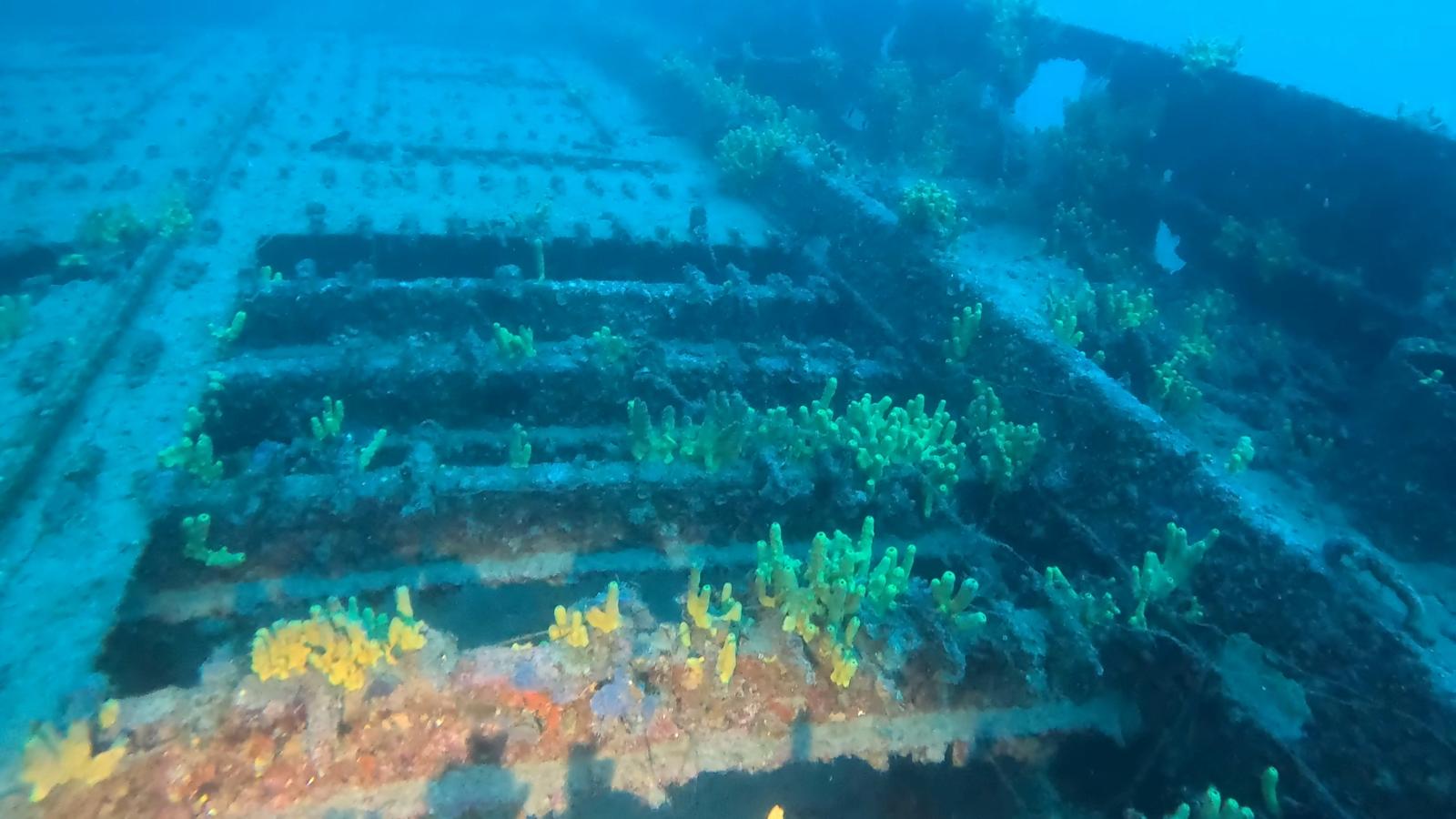
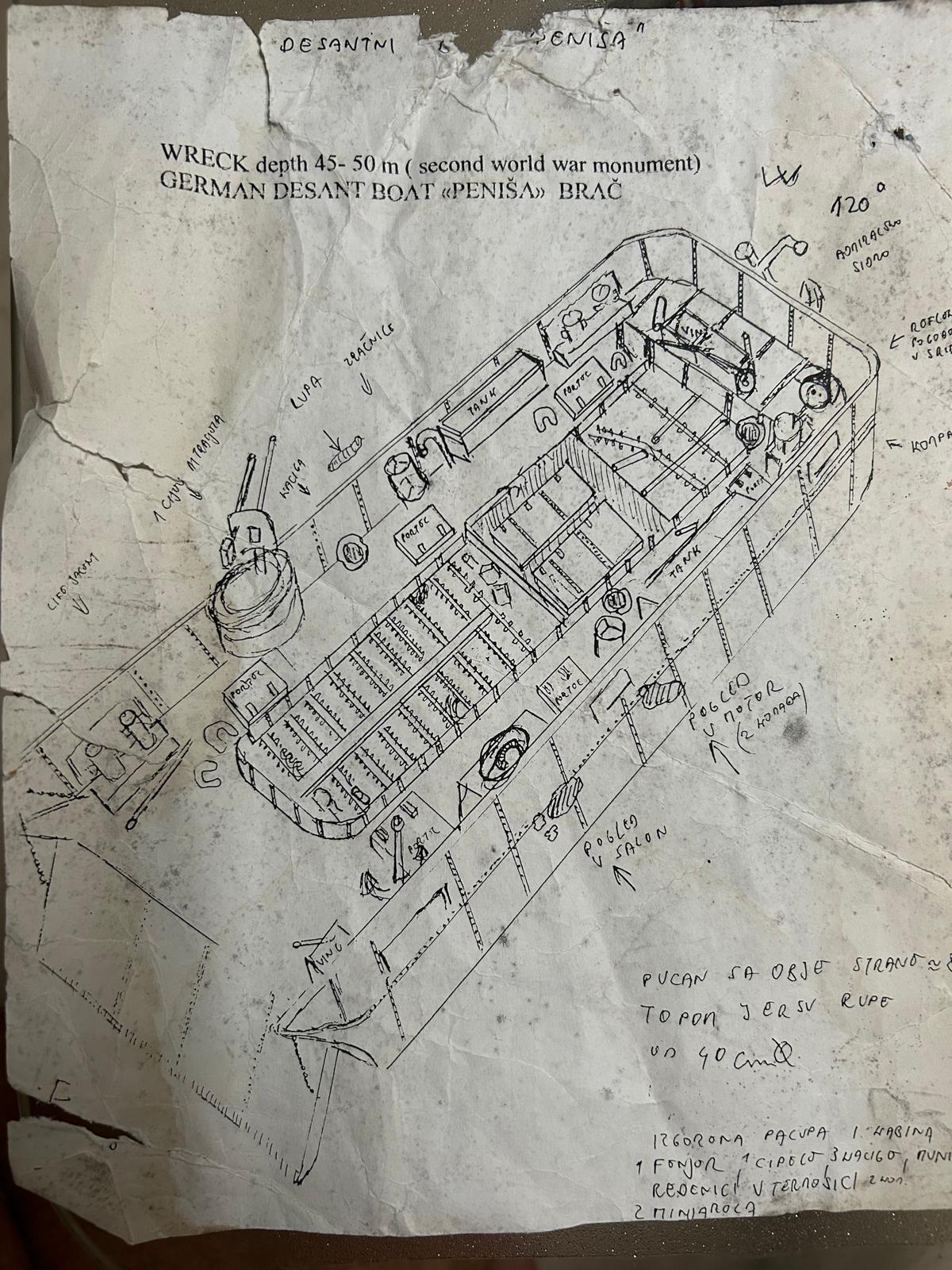
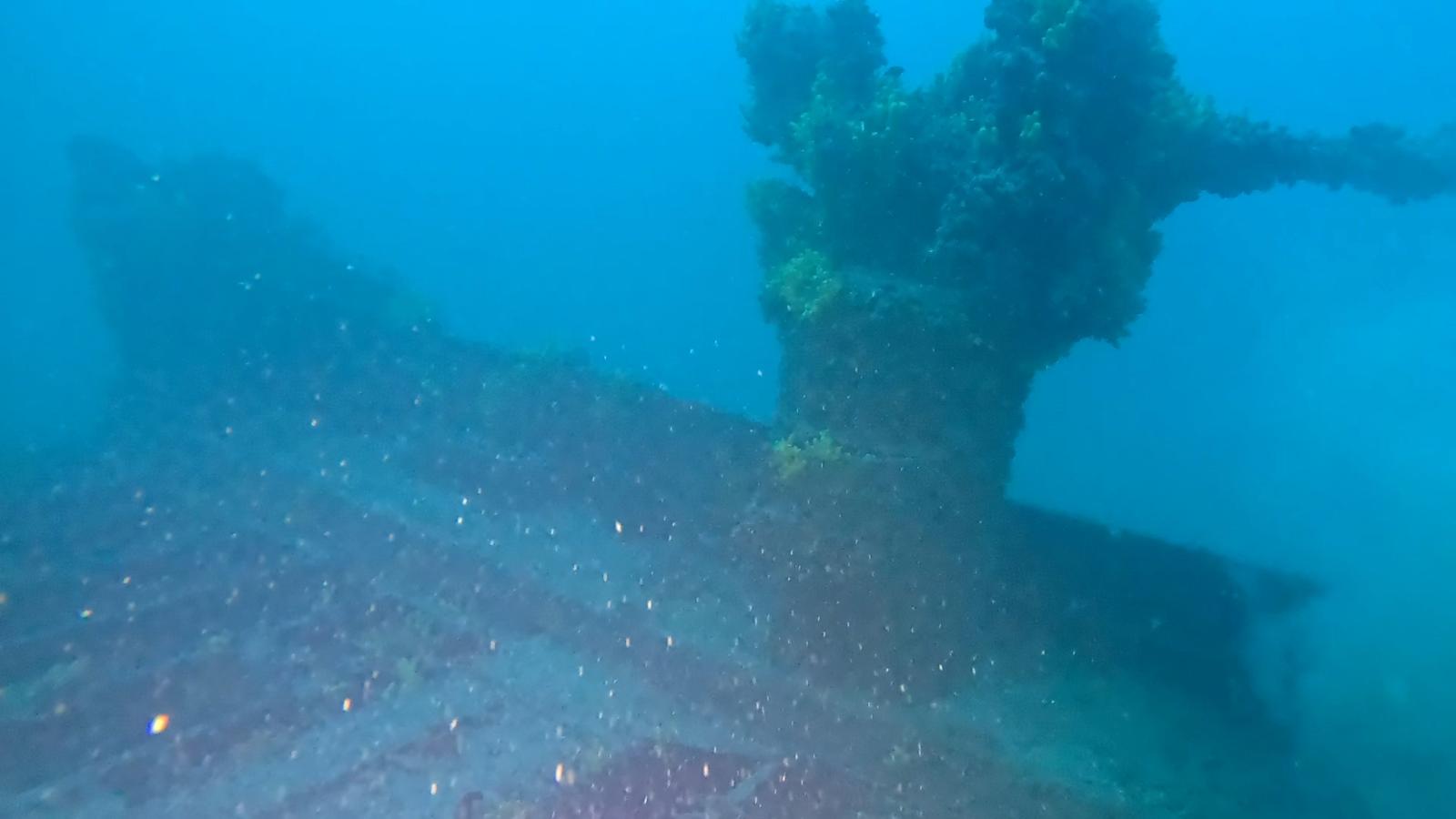
GERMAN SHIPWRECK NEAR RASOTICA BAY AND PLANIK
Danijel Frka
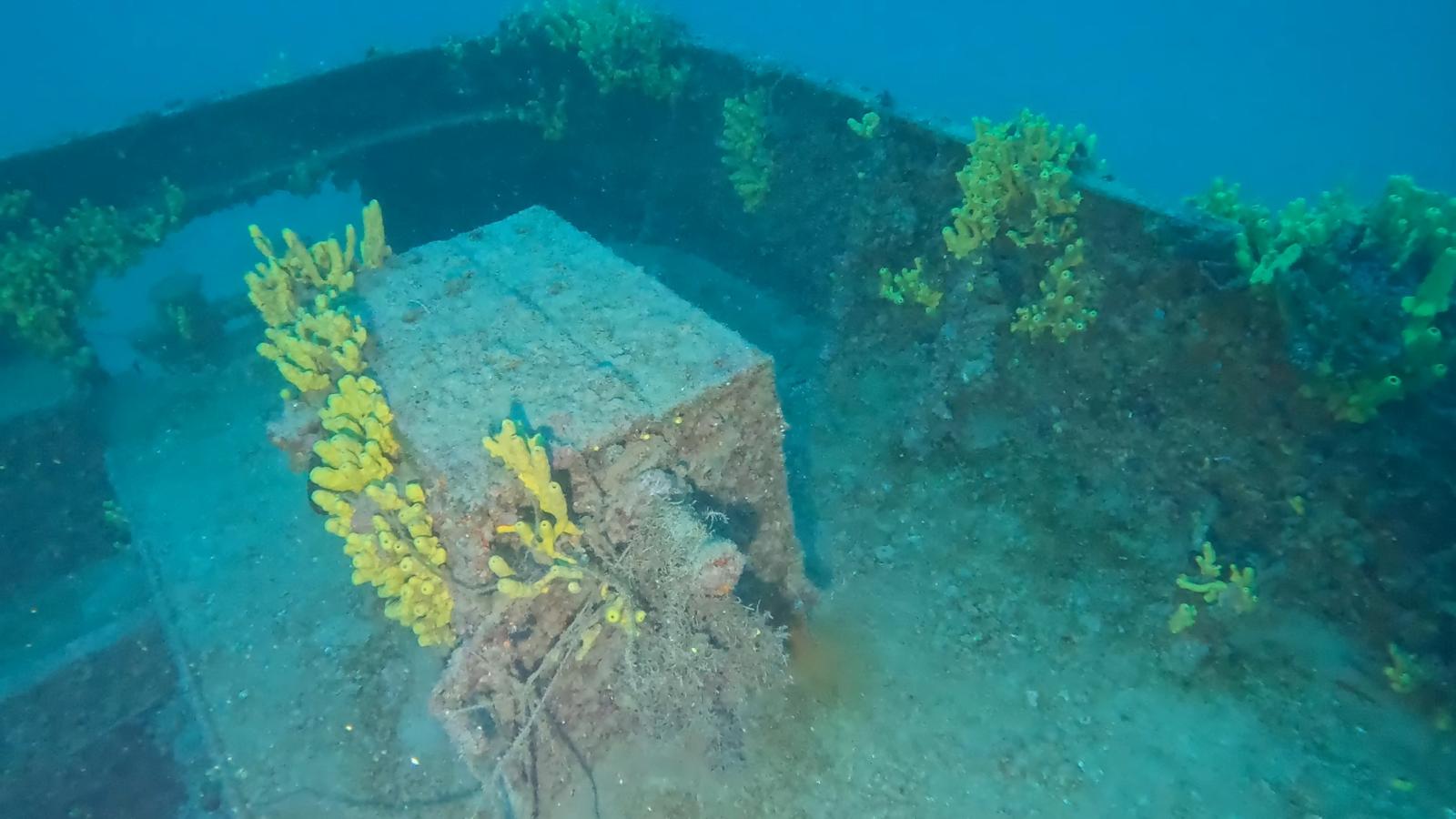
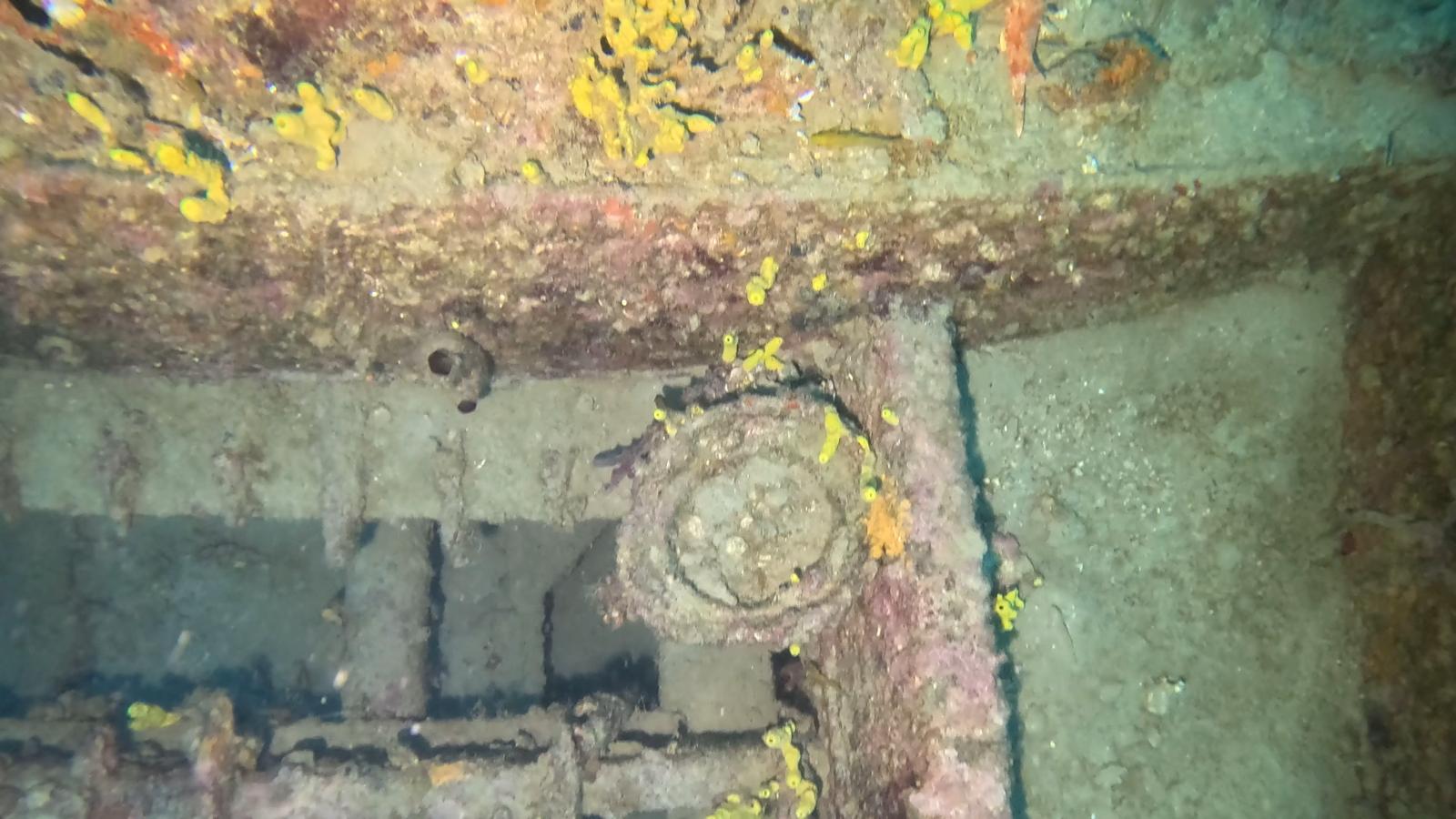
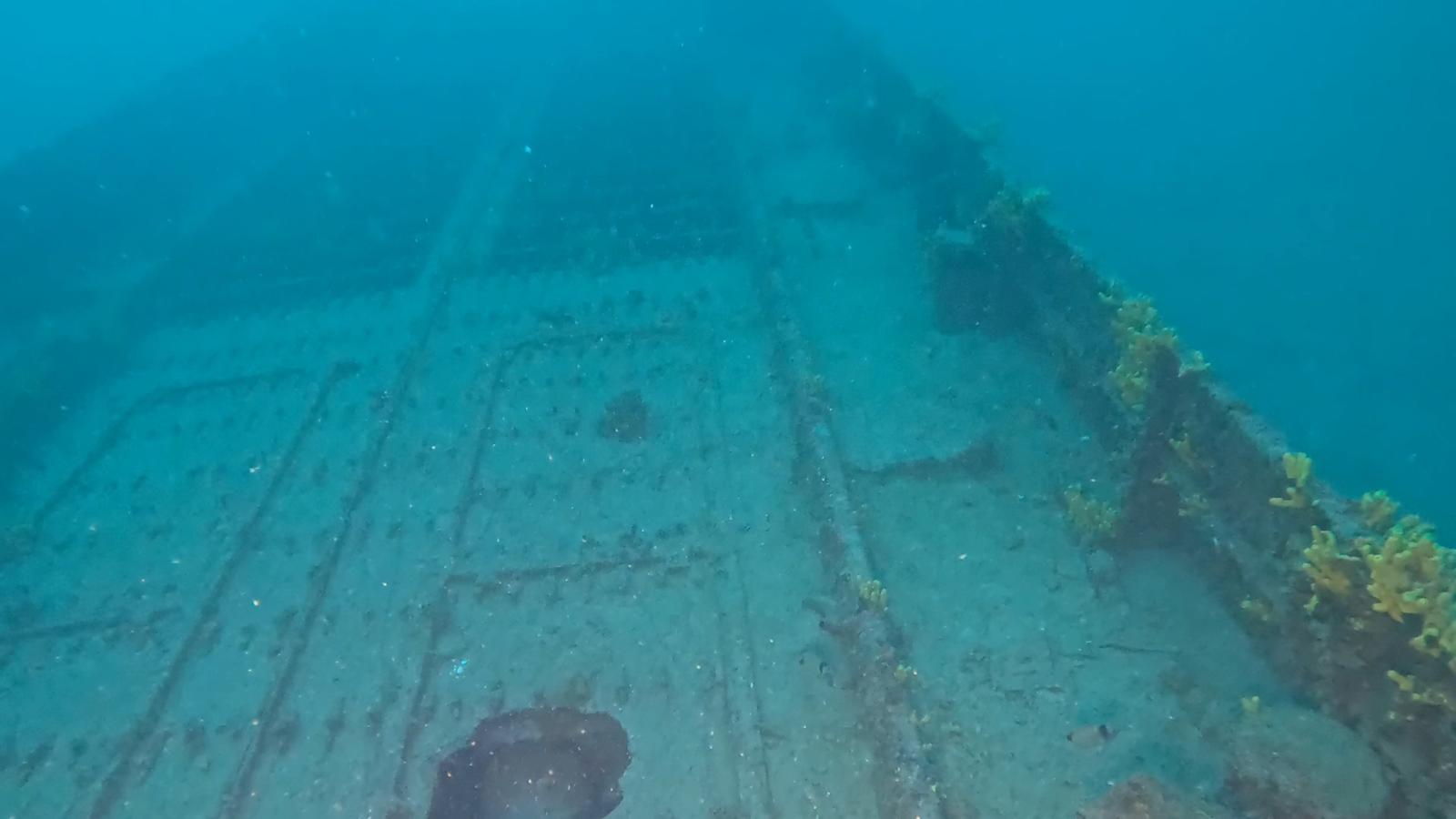
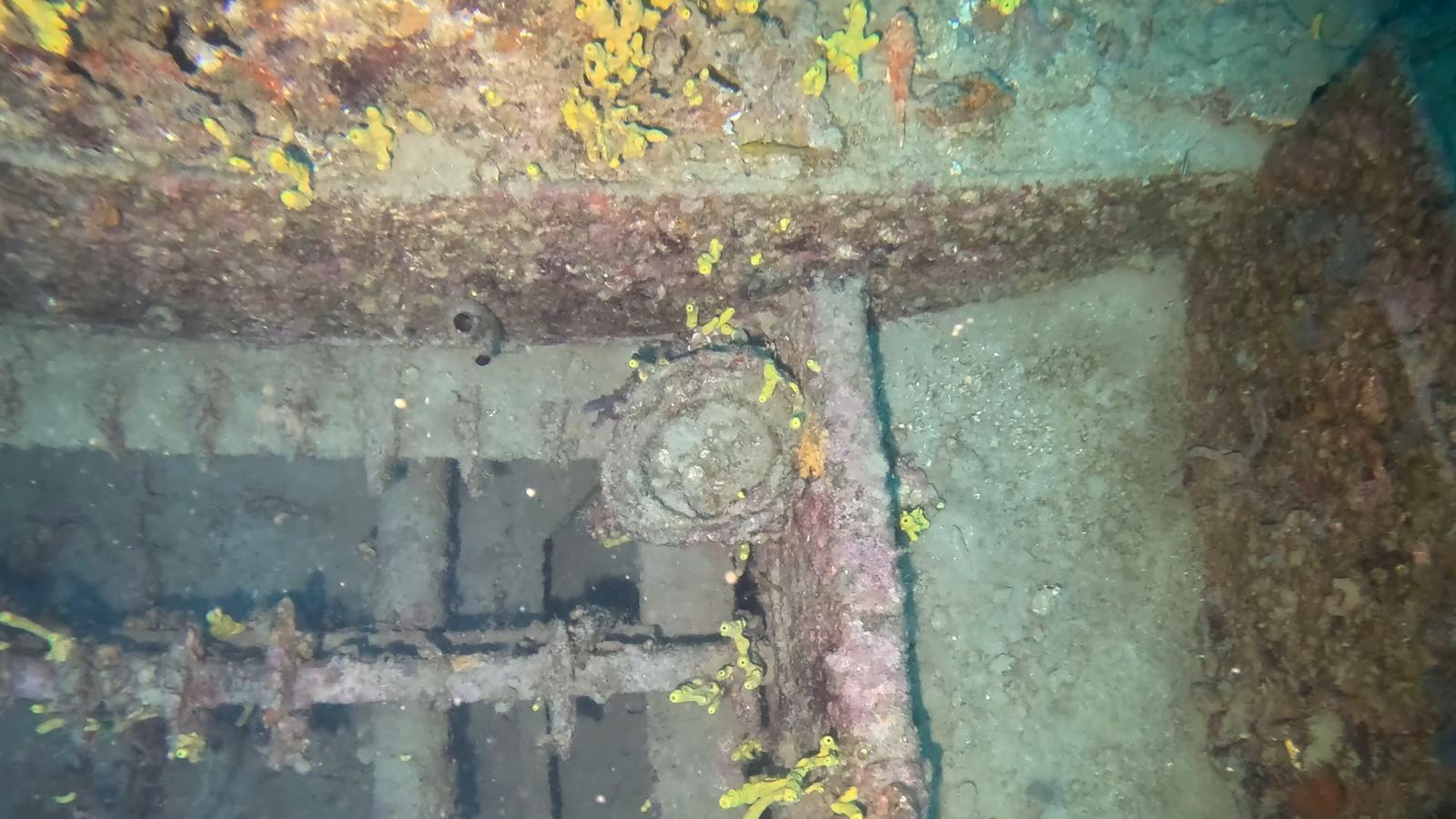
The Adriatic seabed contains numerous remains of ships from World War I and II, whose wrecks are still silent monuments to the war events of 80 years ago and more. Many of the wrecks of ships sunk during the war were recovered by the Brodospas company after the war, some of them were repaired and set sail again, while a large number of unusable wrecks ended up in the scrapyard and served as raw material for new steel ships built in our shipyards. This fate, to the joy of us divers, nevertheless spared one small German landing craft that rests at a shallow depth not far from the small settlement of Rasotica, whose picturesque red beach we can briefly notice when we drive into the right bay. This is the story of this unusual boat.
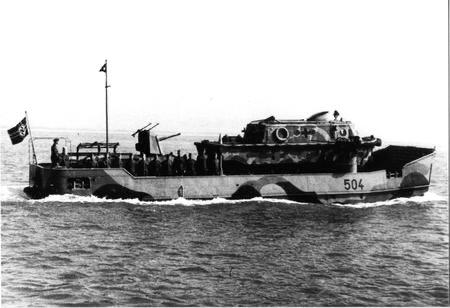
In the late 1930s, the German army (Wehrmacht) did not have a modern landing craft, especially not for transporting and landing tanks on shore, so their development began in the late 1930s. The best design was the one from the Bodan shipyard in Kressbronn on Lake Constance, which designed the Pionierlandungsboot 39, or PiLaBo 39 (engineering landing craft 39). Serial production began in 1940, and the new craft entered military service in September of that same year. The Pilabo 39 was a modular boat: it could be disassembled into two mirror-symmetrical longitudinal halves, suitable for transport by rail. The hull was 15 m long, 4.7 m wide and powered by two 86 hp diesel engines, giving the boat a speed of 9.2 knots. With a dead weight of 20 tons, the Pilabo 39 had a maximum load capacity of up to 20 tons.
The PiLaBo 40 series, which followed the PiLaBo 39, had the same engine system and the same modular construction (the possibility of dismantling into two halves) as its predecessor, but was larger in size. With a length of 19 m and a width of 5.93 m, it weighed 30 tons, but could carry the same weight of cargo.
Based on operational experience with the PiLaBo 39 and 40, a new version followed, the improved landing engineer boat PiLaBo 41, the production of which began in 1942.
The PiLaBo 41 boat was 19.3 m long and 5.93 m wide. The empty boat weighed 35 tons, and it was powered by two 120 hp engines, which allowed it to reach a speed of 8 knots. The PiLaBo 41 could carry loads of up to 40 tons. While the PiLaBo 39 and 40 had a bow with doors that opened left and right, and from which the transition rails between the boat and the shore were then laid, the PiLaBo 41 had a movable bow ramp that also served as a bow, and after lowering, it served as a ramp between the deck and the shore. These boats could also be disassembled into two equal longitudinal halves so that they could be loaded into railway wagons for land transport.
The last in the series of landing boats was the PiLaBo 43, significantly larger than the previous models. It was 35.5 m long, 8.60 m wide, weighed 145 tons and had a carrying capacity of 95 tons on a loading area of 230 m². A light anti-aircraft gun was mounted on the starboard side in front. Pilabo 43 consisted of three rows of pontoons, each row with three pontoons, so she too could be disassembled into parts and loaded onto railway wagons.
The landing craft were organized in the so-called trains. Several boats formed a train. The first major maneuvers were held in March 1941 in the Baltic Sea, on the sandy coast of the Pomeranian island of Wollin. Two transport ships carried several landing craft on deck, which were then unloaded into the sea by ship cranes and the soldiers and cargo were transferred to the shore.
NJEMAČKA OLUPINA NEDALEKO UVALE RASOTICA i PLANIKA
Danijel Frka
U podmorju Jadrana počivaju brojni ostaci brodova iz 1. i 2. svjetskog rata, čije su olupine i danas nijemi spomenici ratnih događanja od prije 80 i više godina. Mnoge olupine brodova potopljenih u ratu izvadila je poslije rata tvrtka Brodospas, neki od njih popravljeni su i ponovno zaplovili, dok je velik broj neupotrebljivih olupina završio u rezalištu i poslužio kao sirovina za nove čelične brodove koji su građeni u našim brodogradilištima. Ta je sudbina, na radost nas ronilaca, ipak mimoišia jednu malu desantnu njemačku brodicu koja počiva na maloj dubini nedaleko od malog naselja Rasotica , čiju slikovitu crvenu plažu možemo na koji trenutak zapaziti kada se vozimo u desnu uvalu Ovo je priča o toj neobičnoj brodici.
Koncem tridesetih godina dvadesetog stoljeća njemačka vojska (Wehrmacht) nije raspolagala suvremenom desantnom brodicom, pogotovo ne za prijevoz i iskrcavanje tenkova na obalu, pa je od kasnih 1930-ih pokrenut njihov razvoj. Najboljim se pokazao dizajn brodogradilišta Bodan u Kressbronnu na Bodenskom jezeru, koje je osmislilo Pionierlandungsboot 39, odnosno PiLaBo 39 (inženjerijsku desantnu brodicu 39). Serijska proizvodnja pokrenuta je 1940., a nova brodica ušla je u vojnu službu u rujnu te iste godine. Pilabo 39 bila je brodica modularne gradnje: mogla se rastaviti na dvije zrcalno simetrične uzdužne polovice, pogodne za prijevoz željeznicom. Trup je bio dugačak 15 m, širok 4,7 m a pogonska snaga bila su dva dizel motora od po 86 KS koji su brodici davali brzinu od 9,2 čv. Uz vlastitu težinu od 20 tona, Pilabo 39 imala je najveću nosivost do 20 tona.
Serija PiLaBo 40, koja je slijedila nakon PiLaBo 39, imala je isti sustav motora i istu modularnu konstrukciju (mogućnost rastavljanja na dvije polovice) kao njen prethodnik, ali je po dimenzijama bila veća. Dužine 19 m i širine 5,93 m, težila je 30 tona, ali je mogla ponijeti i jednaku težinu tereta.
Na temelju operativnih iskustava sa PiLaBo 39 i 40, uslijedila je i nova inačica, poboljšana desantna inženjerijska brodica PiLaBo 41, čija je proizvodnja započela 1942. godine.
Brodica PiLaBo 41 bila je dugačka 19,3 m i široka 5,93 m. Masa prazne brodice bila je 35 t, a pokretala su je dva motora od po 120 KS, što joj je omogućilo postizanje brzine od 8 čvorova. PiLaBo 41 mogao je nositi terete do 40 tona. Dok su PiLaBo 39 i 40 imale pramac s vratima koja su se otvarala lijevo i desno, te sa kojeg su zatim polagane prijelazne šine između brodice i obale, PiLaBo 41 imala je pomičnu pramčanu rampu koja je služila i kao prama, a nakon spuštanja, služila je kao rampa između palube i obale. I ove brodice mogle su se također rastaviti na dvije jednake uzdužne polovice kako bi se moglo utovariti u željezničke vagone za kopneni prijevoz.
Posljednja u nizu desantnih brodica bila je PiLaBo 43, znatno veća od prethodnih modela. Bila je dugačka 35,5 m, široka 8,60 m, težila je 145 tona i imala je nosivost 95 tona na utovarnoj površini od 230 m?. Na desnoj bočnoj strani sprijeda postavljen je laki protuavionski top. Pilabo 43 sastojao se od tri reda pontona, svaki red sa po tri pontona, te se tako i ona mogla rastaviti na dijelove i utovariti na željezničke vagone.
Desantne brodice bile su organizirane u tzv. vlakove. Nekoliko brodica formiralo je vlak. Prvi veliki manevri održani su u ožujku 1941. u Baltičkom moru, na pješčanoj obali pomeranskog otoka Wollin. Dva su transportna broda nosila više desantnih brodica na palubi, koje su zatim brodskim dizalicama iskrcane na more te su ukrcane vojnike i teret prebacile na obalu.
3 JNA PBR 516
ship of the Yugoslav People’s Army
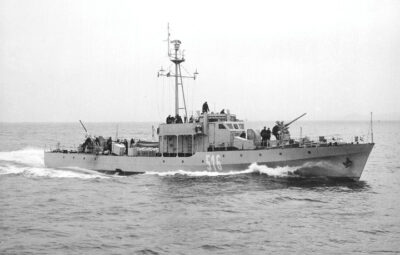
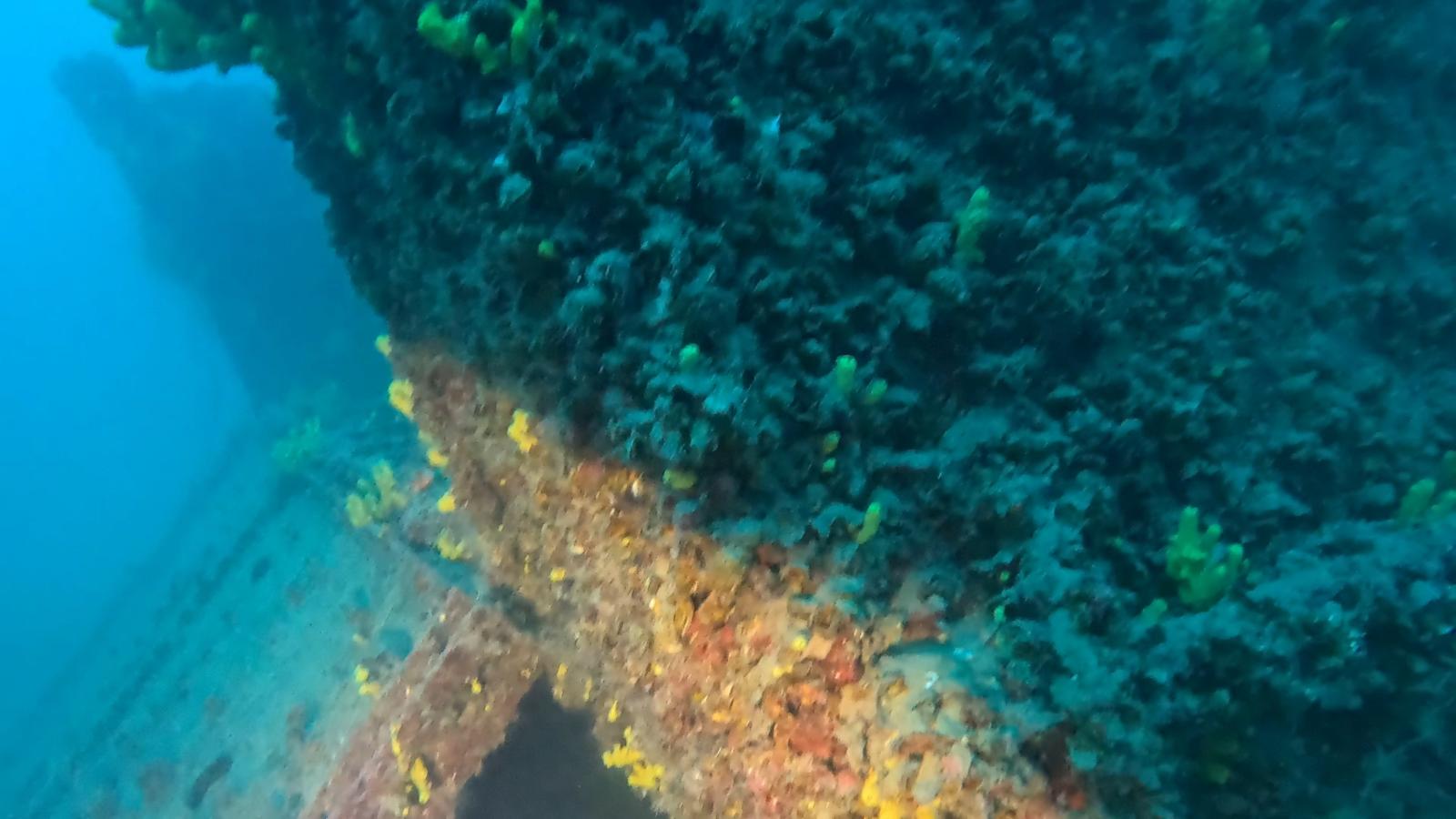
It lies at a depth of 20 to 28 m. The ship is 40 m long. It has 3 floors. The cabins are on the first floor below deck with an entrance in the rear. Due to the large number of rooms and the rising clouds of sand, it is not recommended to enter without a guide. On the deck there is a bridge and command rooms. On the third deck there is a communication facility.
Visibility often does not exceed 10 m and lamps and a computer are required. Categories O.W.D. They are allowed to dive and explore with a PADI instructor with wreck dive specialty exercises.
An ascent rope is set up and you emerge and dive using it. We make a safety stop under the ship at 5 m on the mooring.
The ship hides eel scorpionfish and lobsters. There is sand from the Neretva River around.
JNA brod jugoslavenske narodne armije
Leži od 20 do 28 m dubine. Brod je dug 40 m. Ima 3 etaže . Kabine su u prvoj etaži ispod palube sa ulazom u stražnjem dijelu. Zbog dosta prostorija i dizanja oblaka pijeska nije preporučljivo bez voditelja ulaziti. Na palubi se nalazi komandni most i komandne prostorije. Na trećoj palubi nalazi se komunikacioni sadržaj.
Vidljivost često ne prelazi 10 m i potrebne su lampe i kompjuter. Kategorije O.W.D. Smiju roniti i razgledati uz PADI instruktora sa vježbama specijalnosti wreck dive.
Postavlja se konop za izron i po njemu se izranja i zaranja. Sigurnosni stop radimo ispod broda na 5 m na muringu.
Brod skriva ugore škrpine i jastoge. Okolo je pijesak iz rijeke Neretve.
4 B.E.U.S 1990
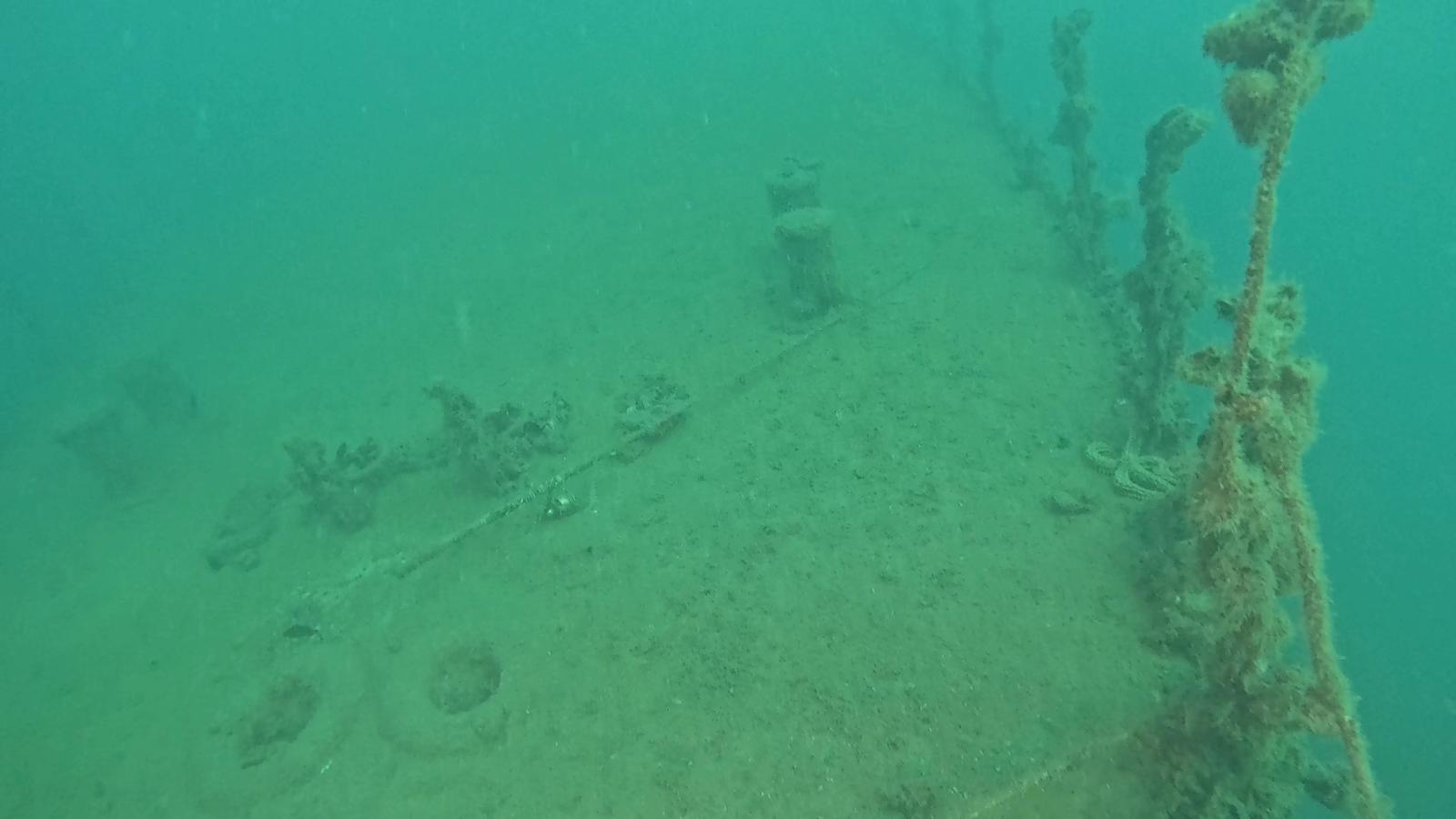
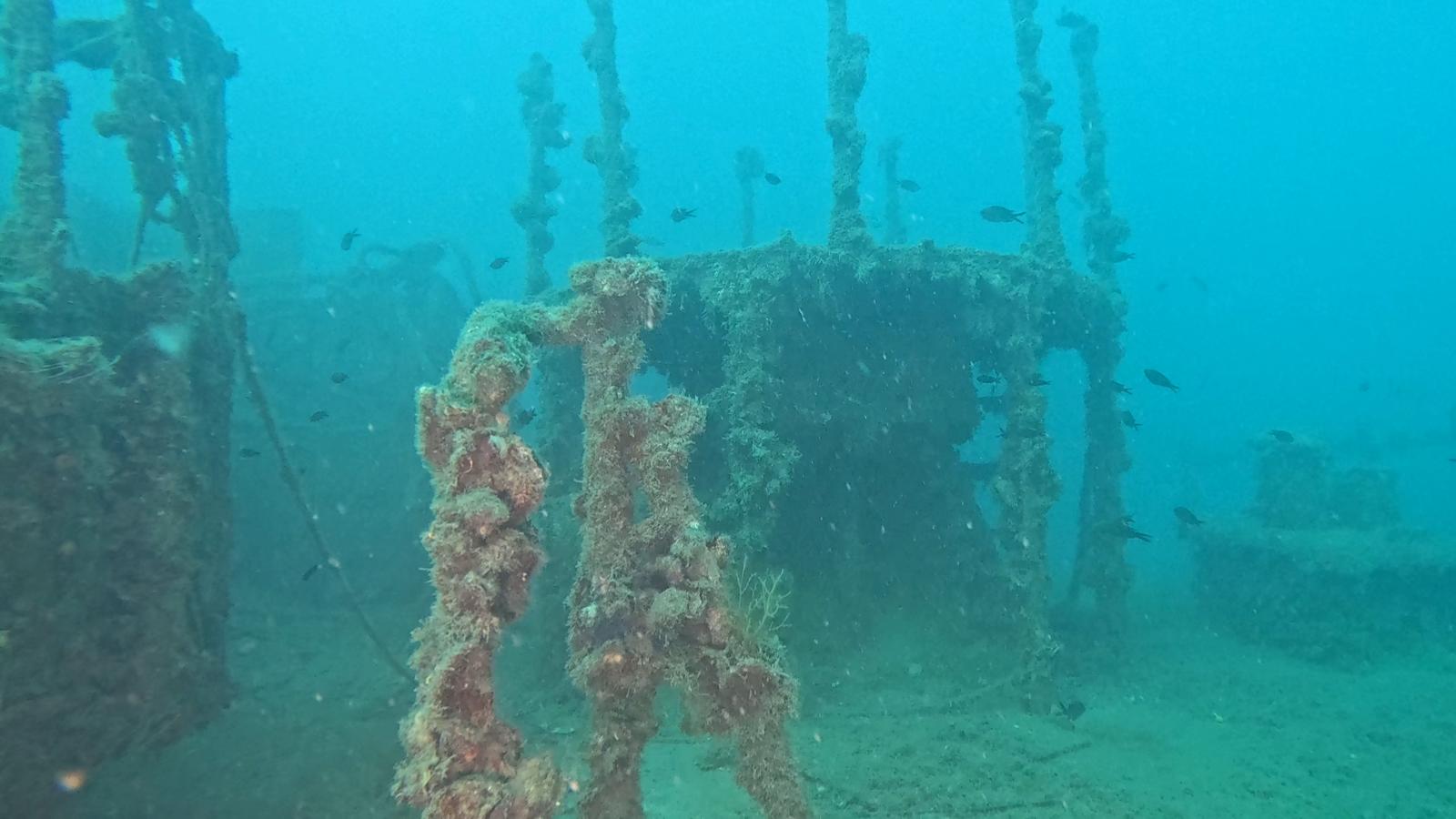
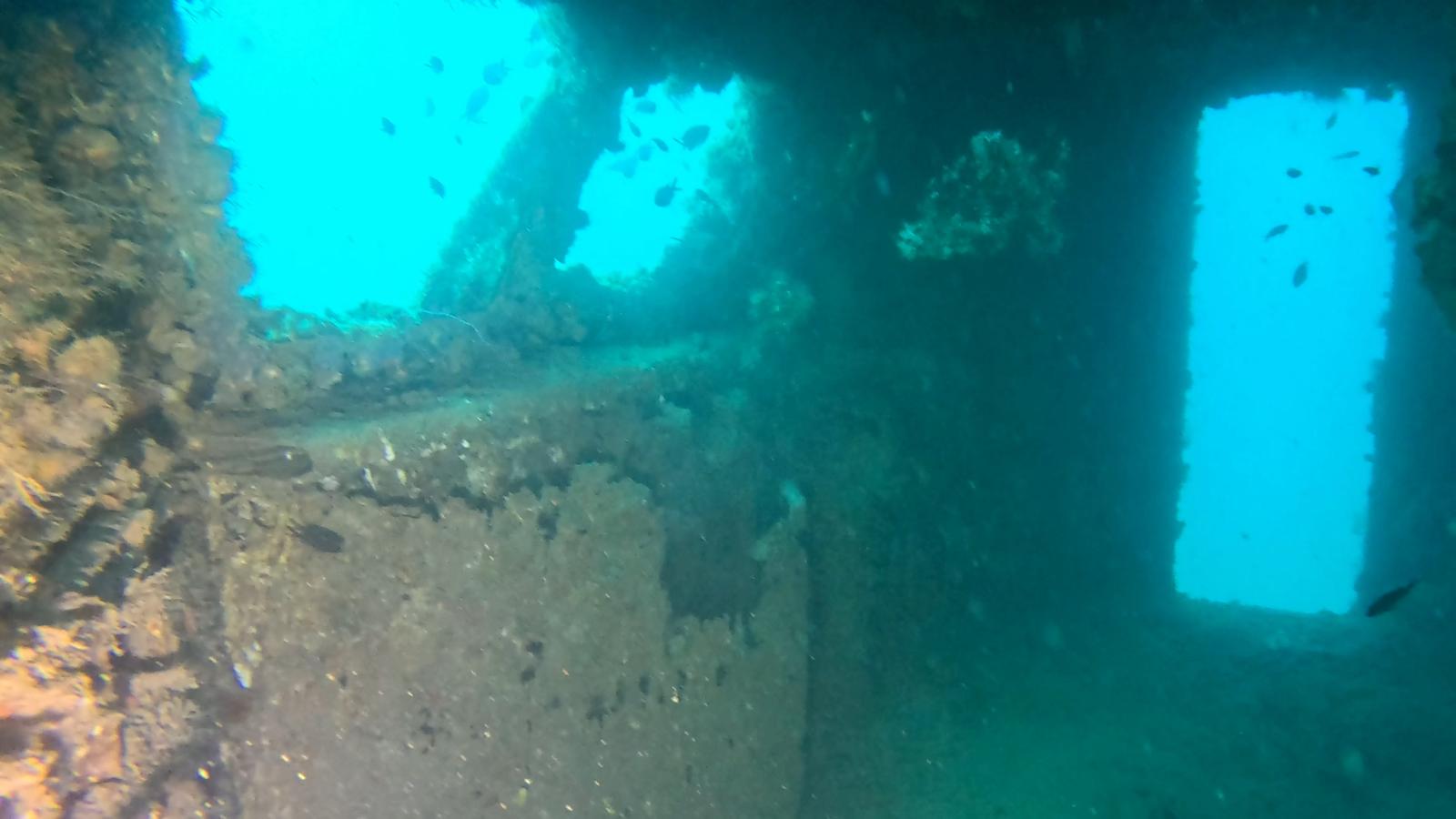
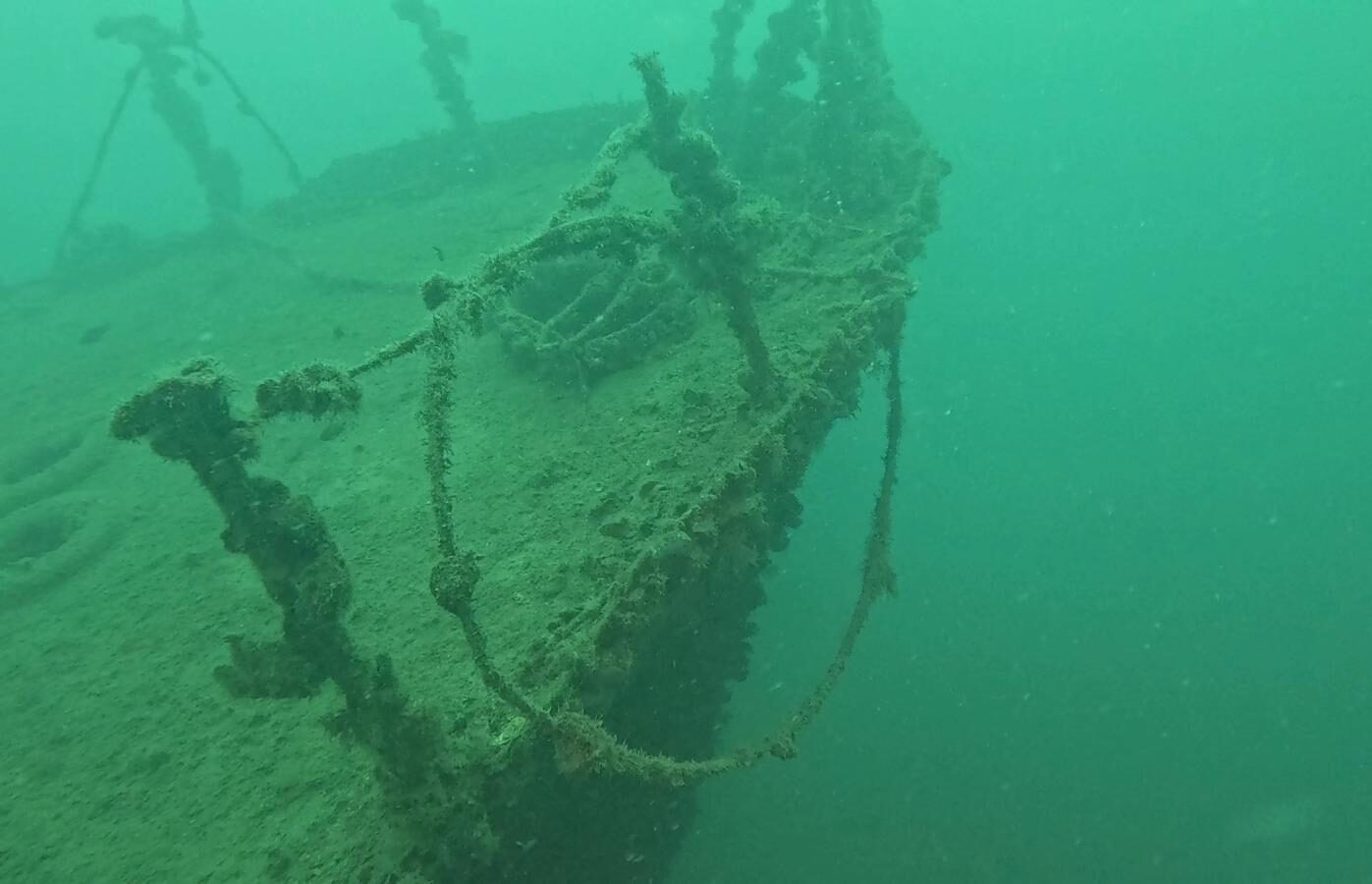
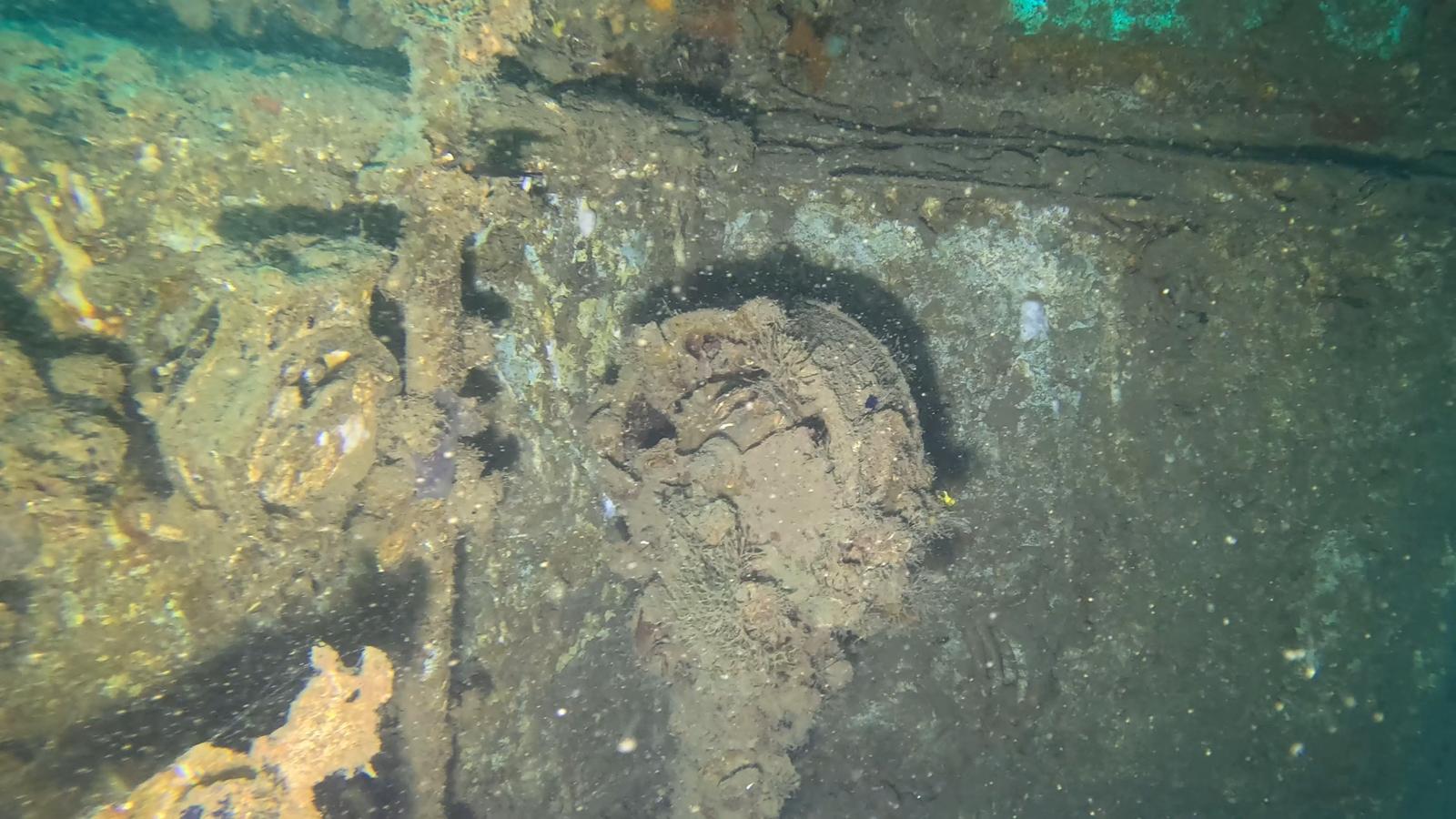
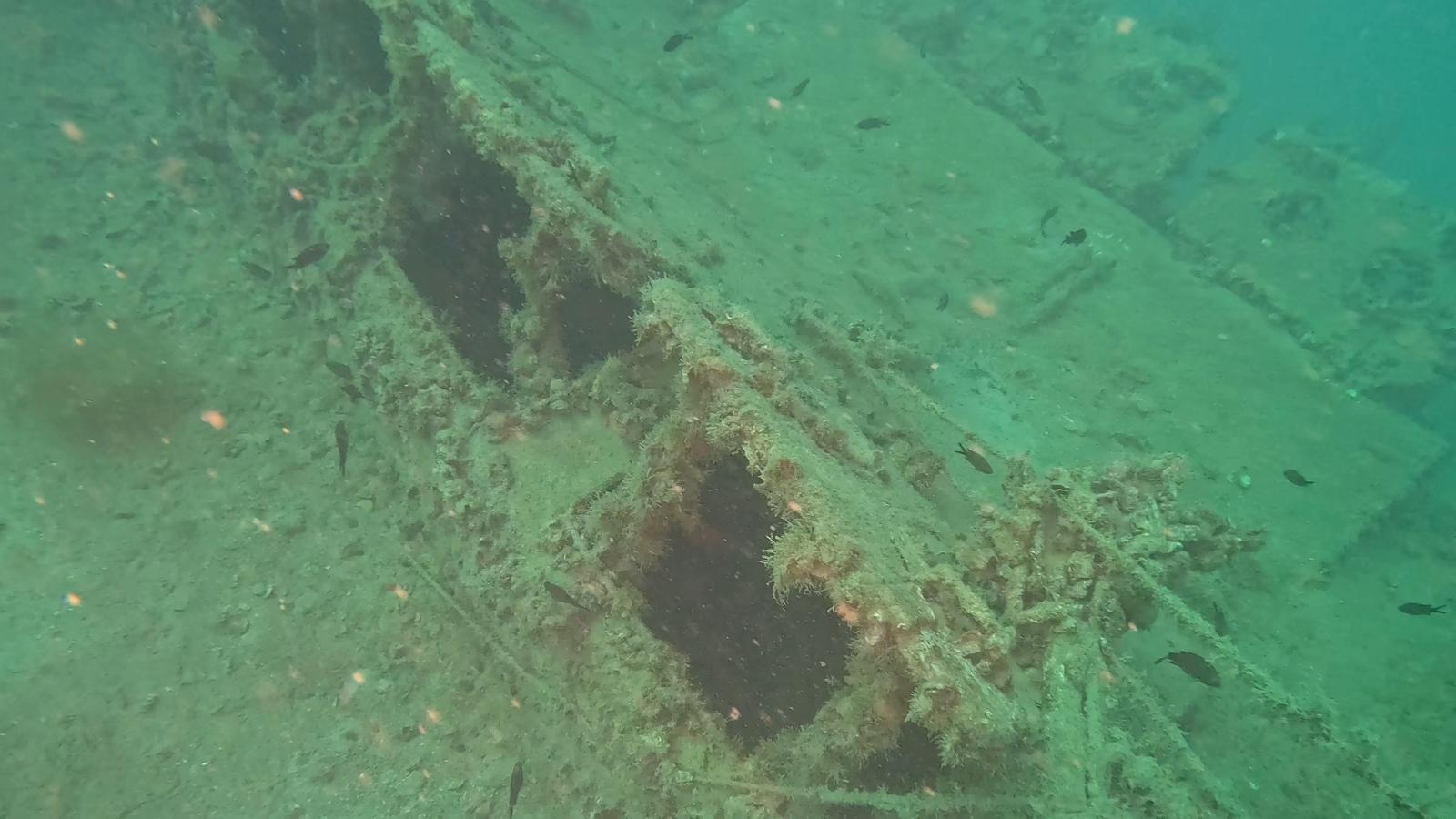
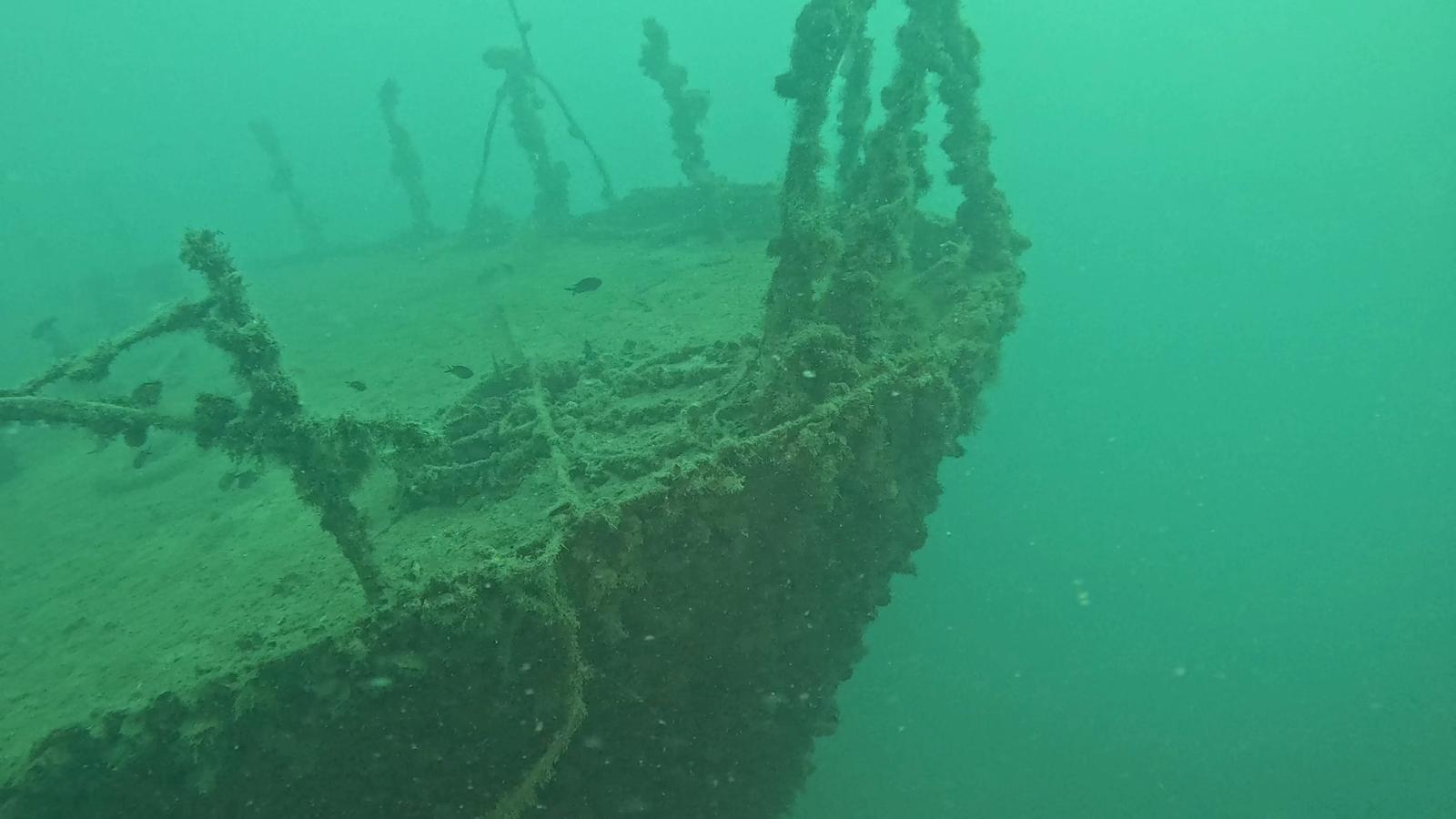
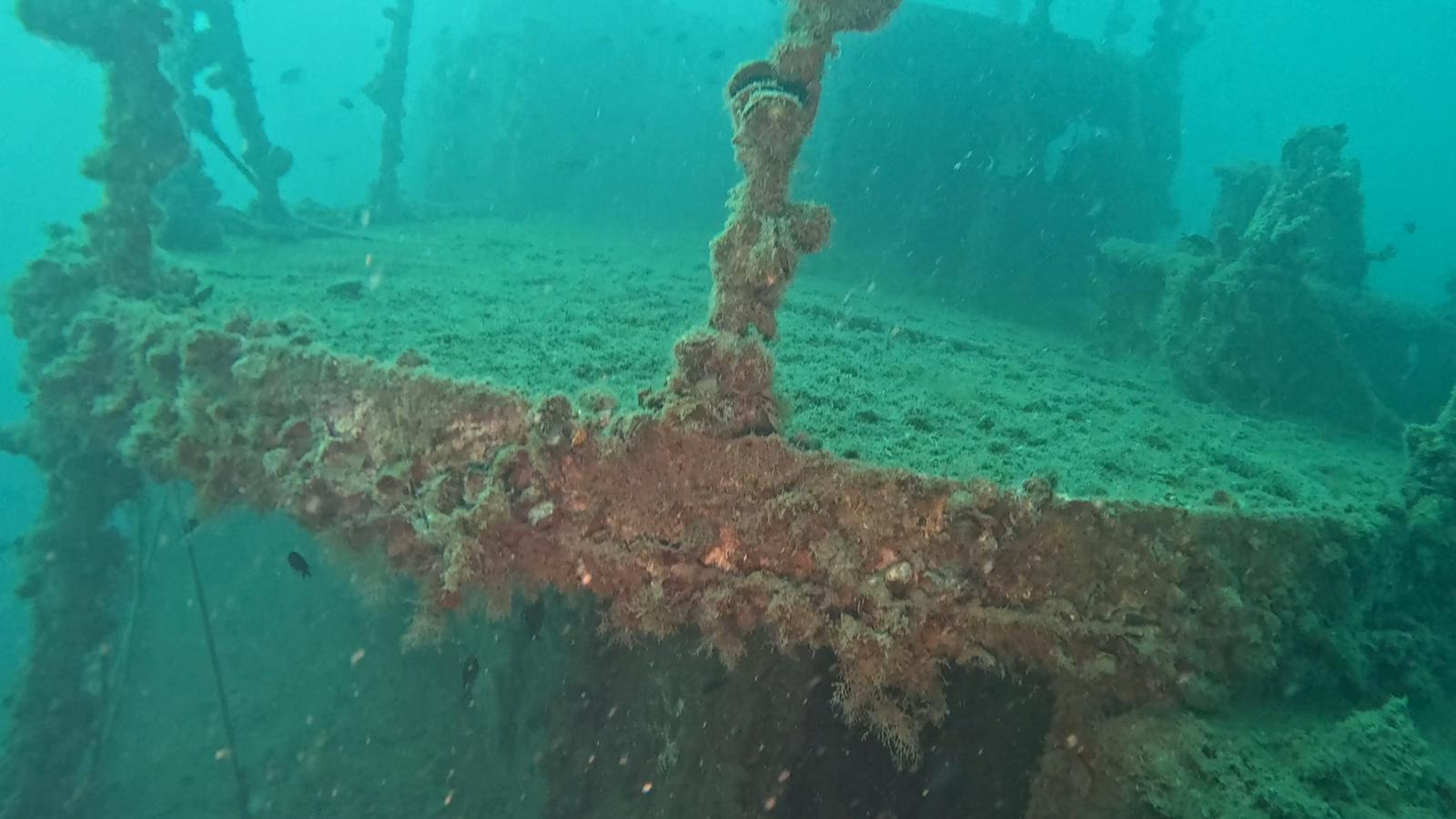
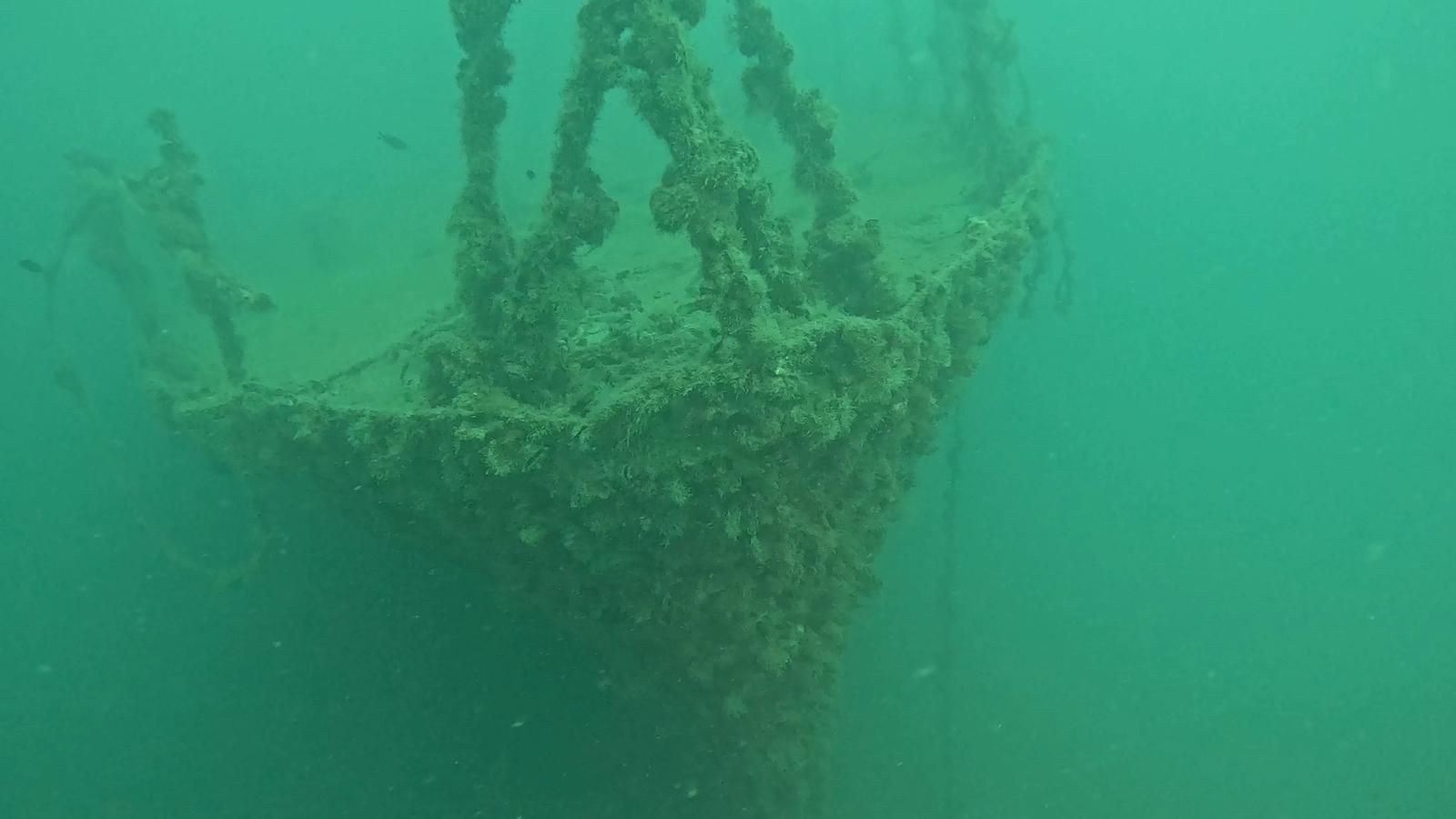
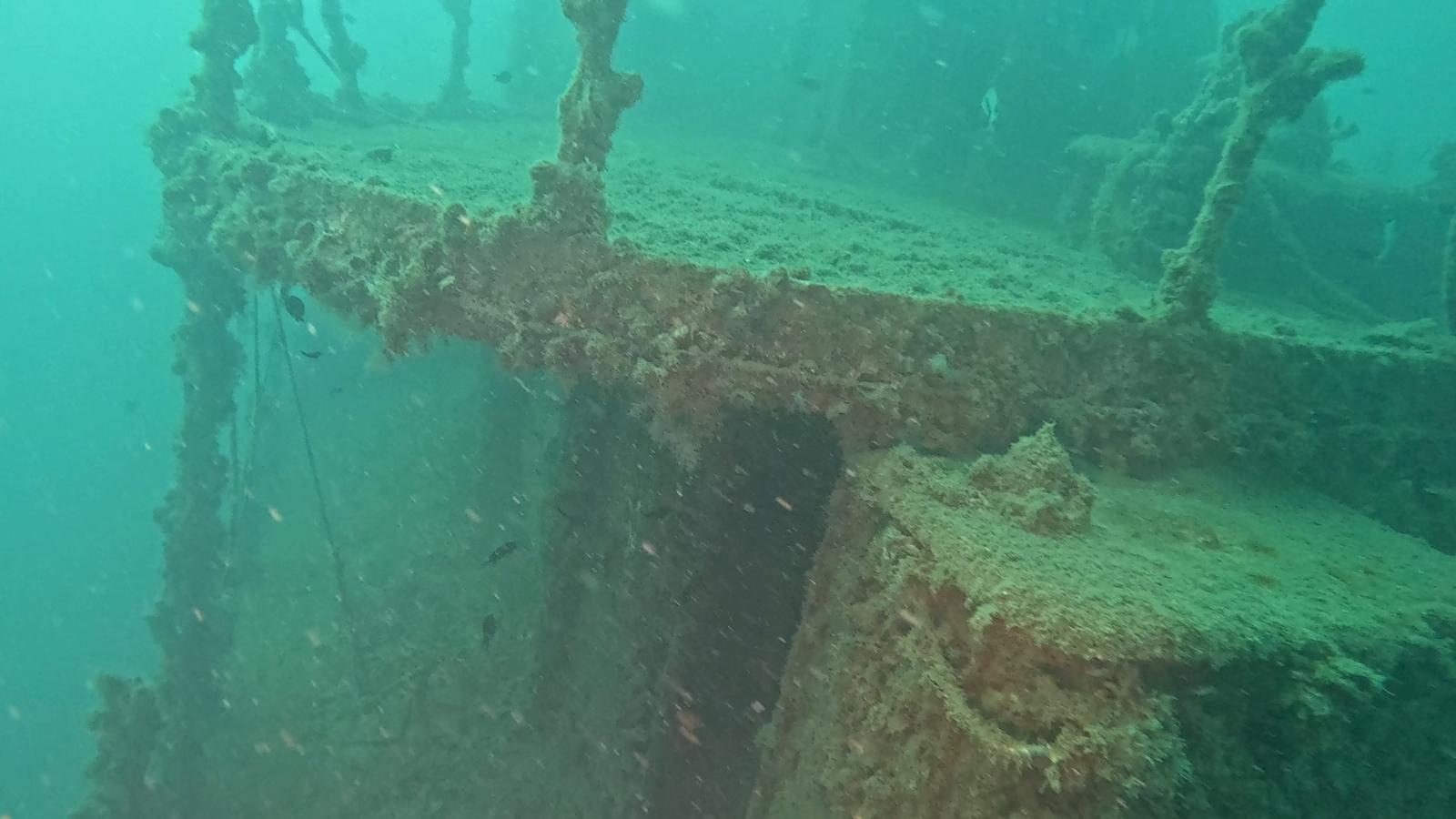
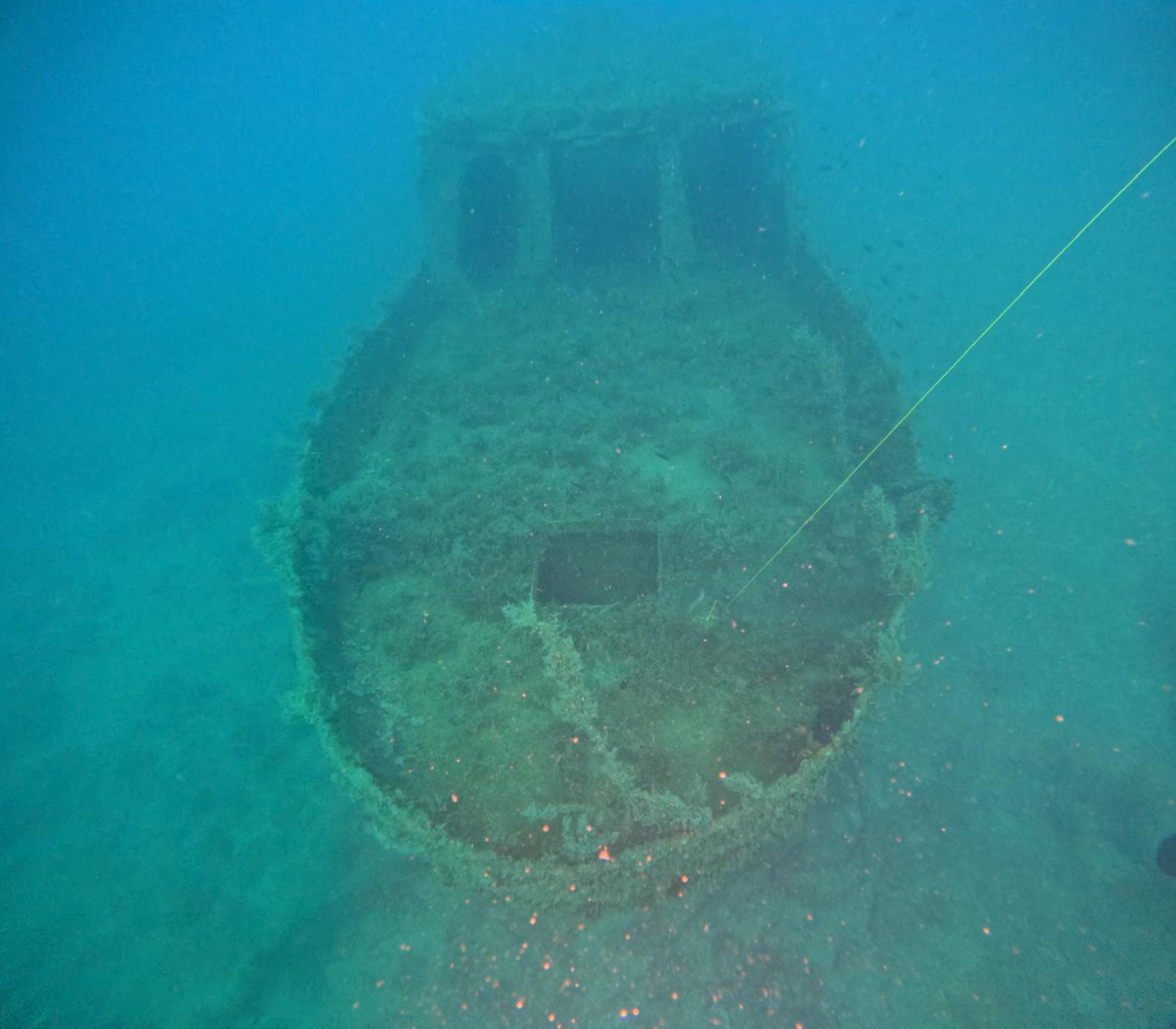
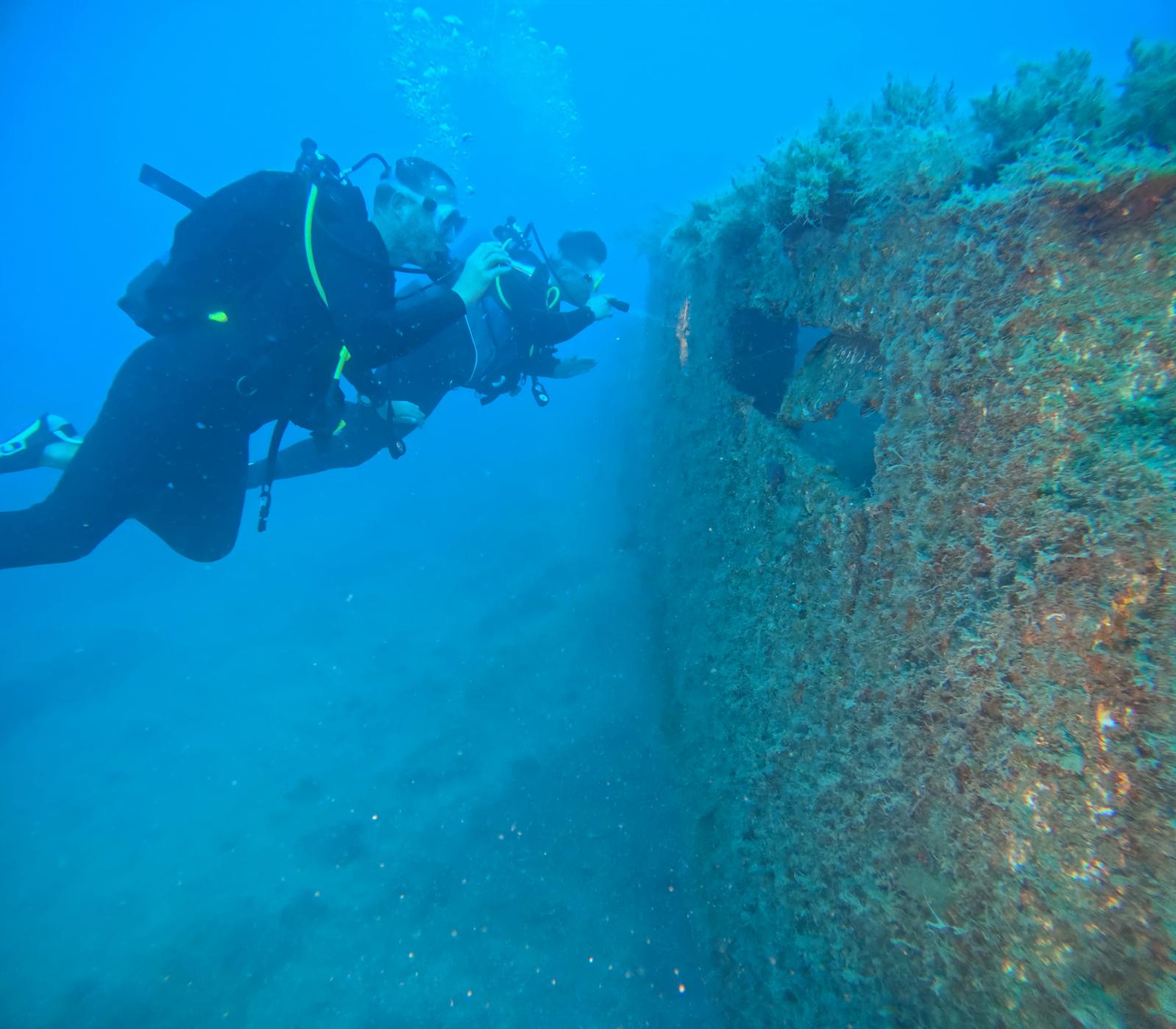
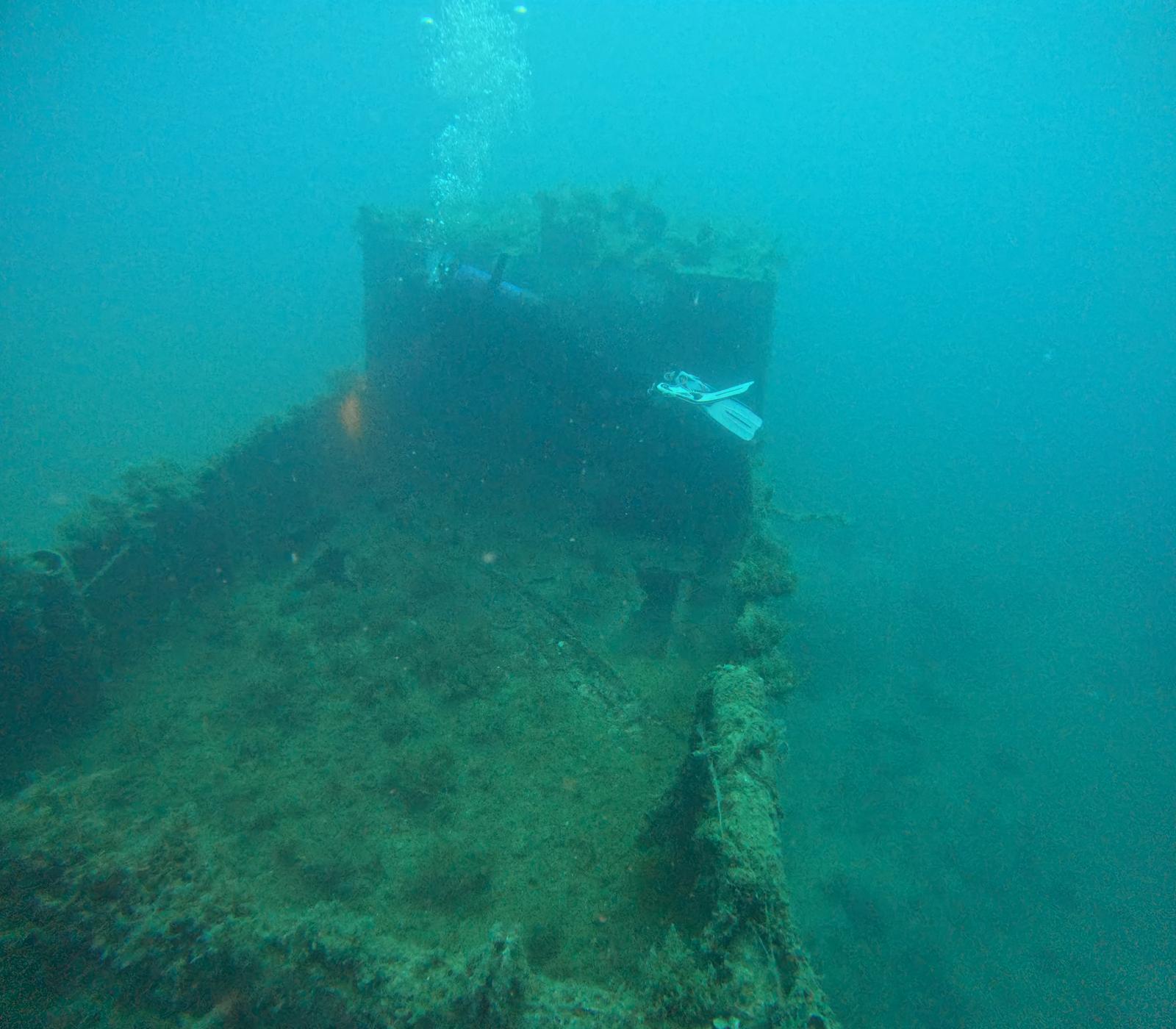
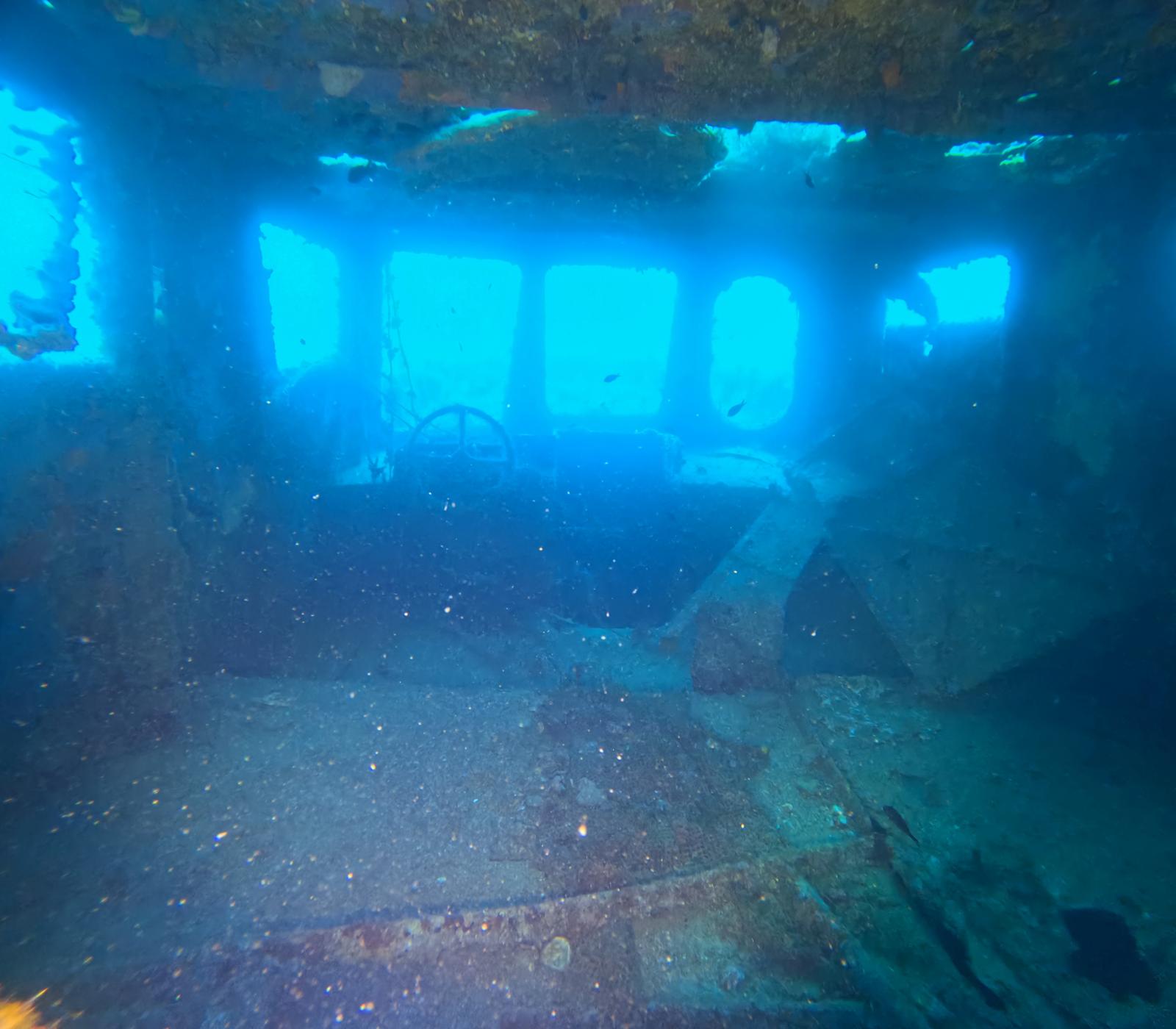
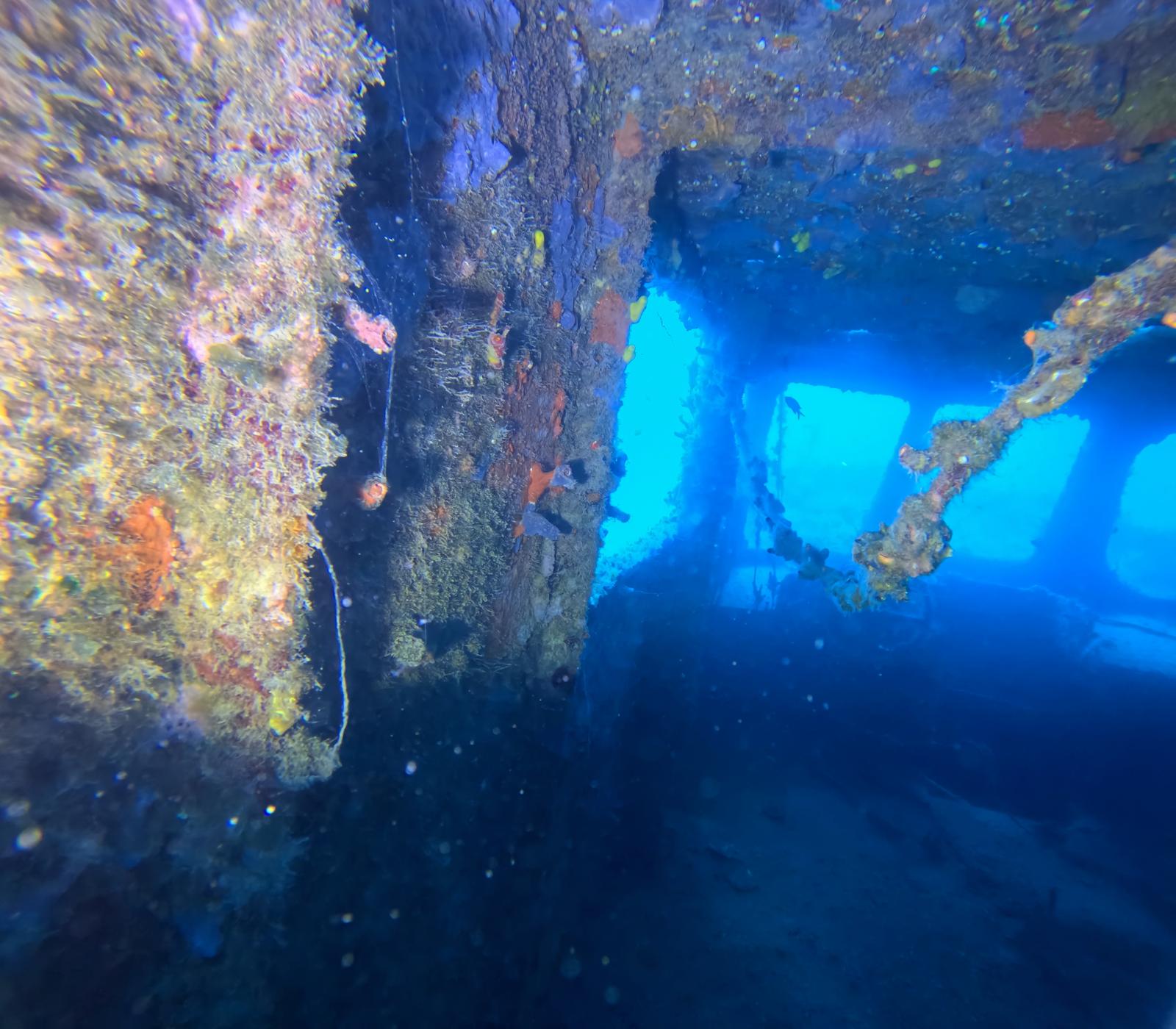
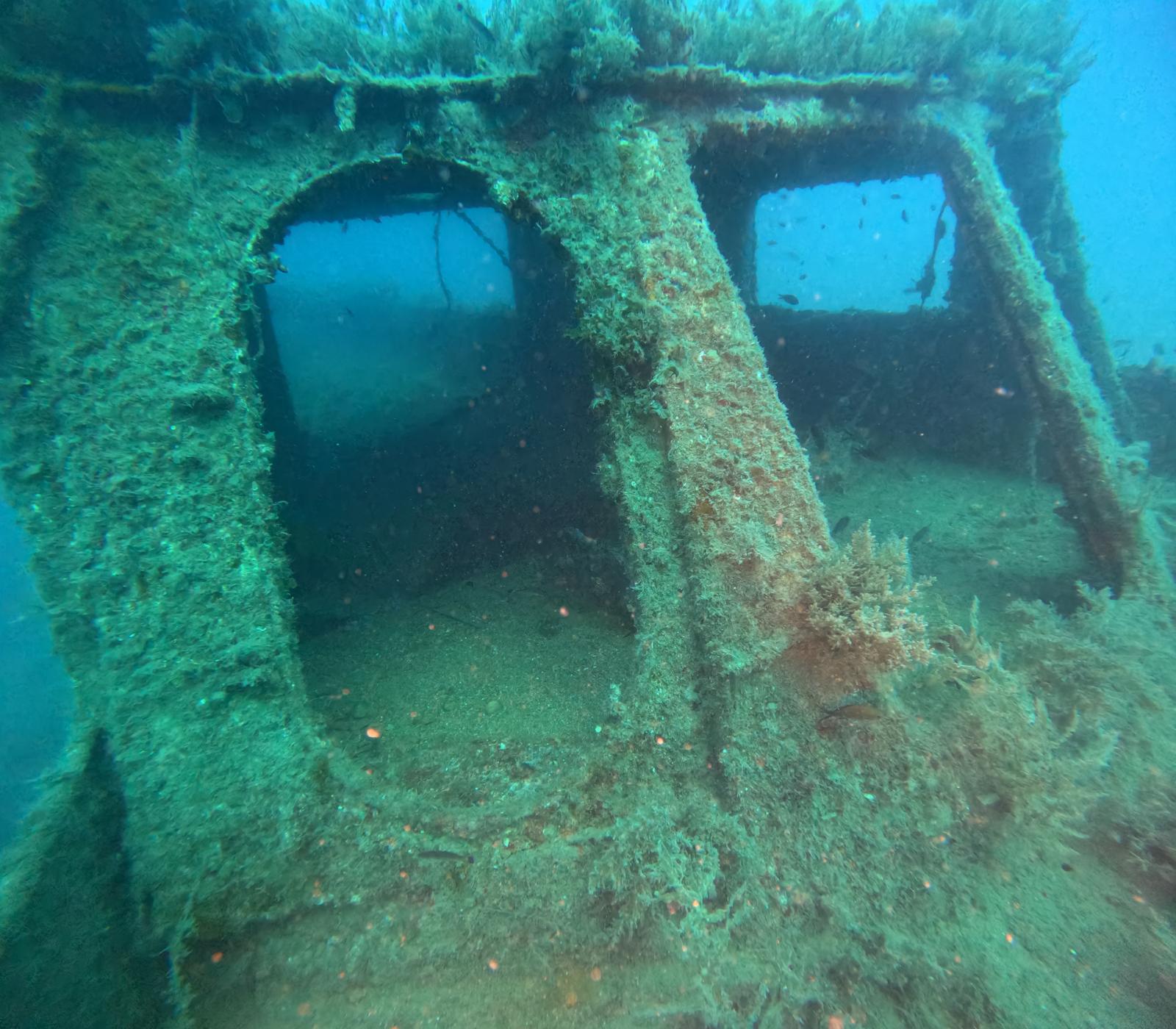
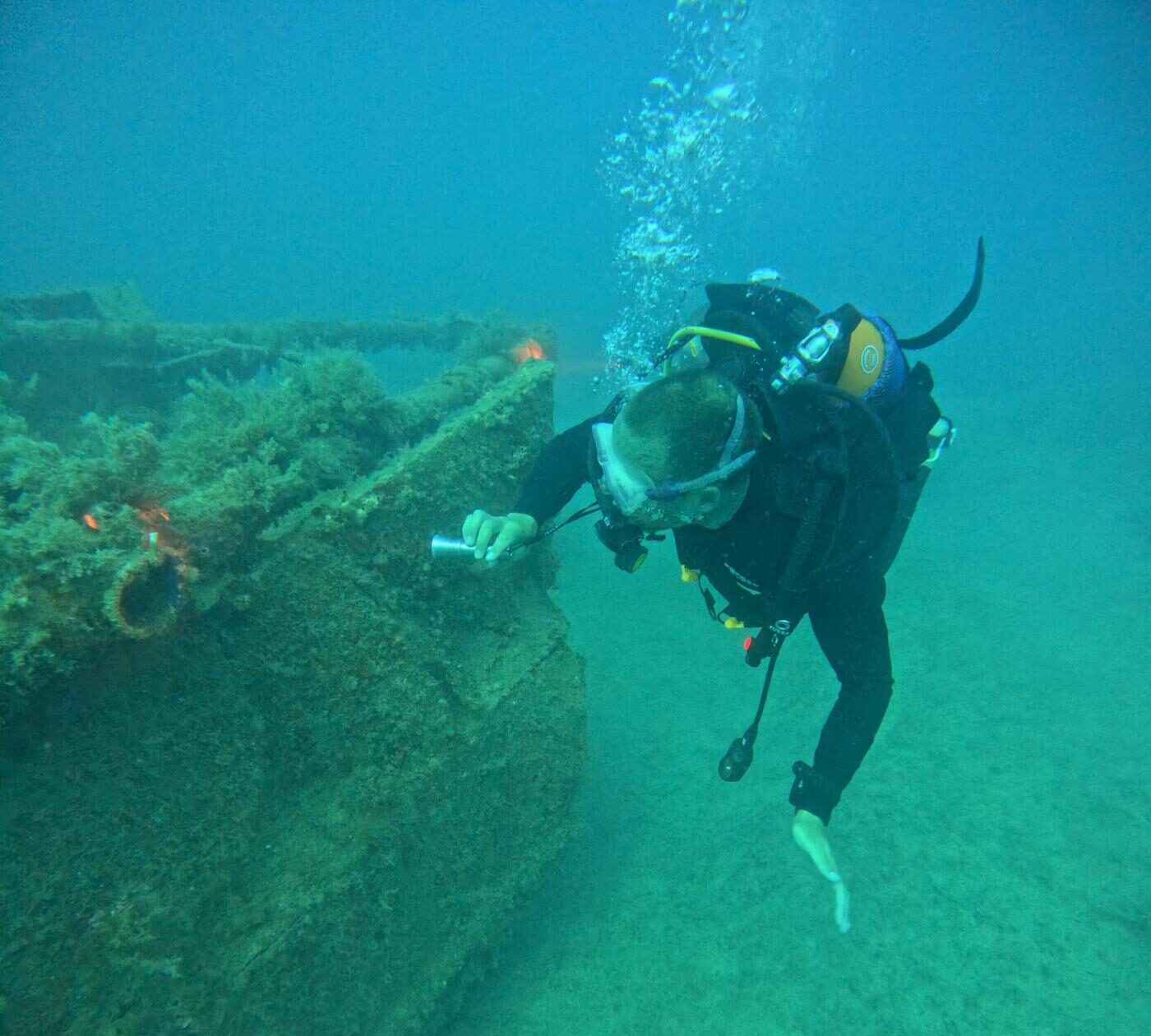
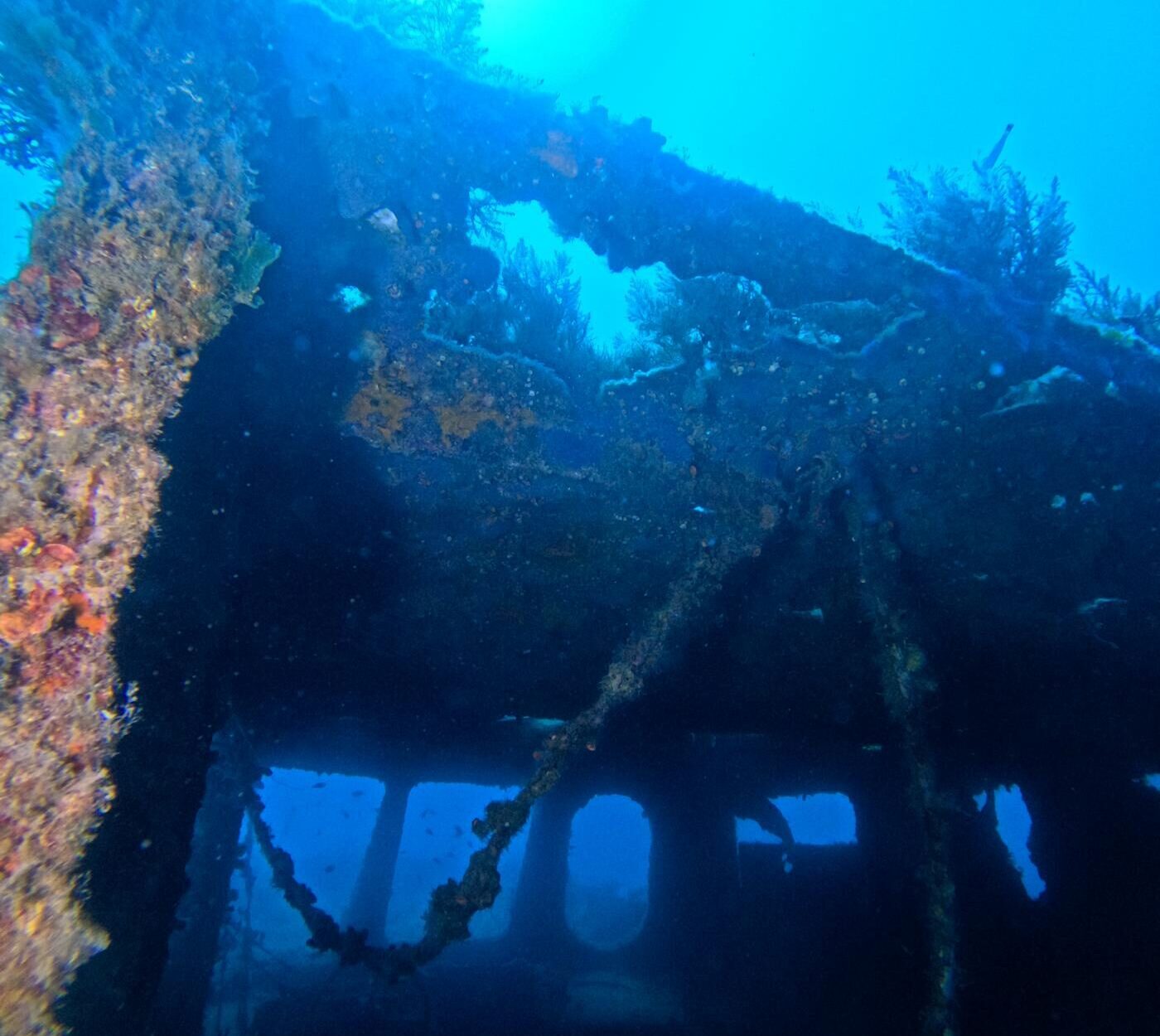
The wreck is laying W-E on the 28m depth of South coast island Hvar . It’s 20m long, 6m wide and 8m high. It was sunk in the Croatian war in 90’. In the Neretva channel there are often wind waves currents and visibility c10m. AOWD divers with experience are recommended . The trip is half day from 8 to 12 30. We drive with speed rib boat highfield patrol 20 kn and need 40 min.
Olupina broda leži u smjeru Z-I na 28 metara dubine na južnoj obali otoka Hvara. Duga je 20 metara, široka 6 metara i visoka 8 metara. Potopljena je u hrvatskom ratu 1990-ih. U Neretvanskom kanalu često su vjetrovite struje, a vidljivost cca 10 metara. Preporučuju se iskusni ronioci s mogućnošću ronjenja na otvorenom moru (AOWD). Izlet je poludnevni od 8 do 12:30. Vozimo se gliserom Highfield Patrol brzinom od 20 čvorova i trebamo 40 minuta.
5 Amfore GREEK wreck Hvar
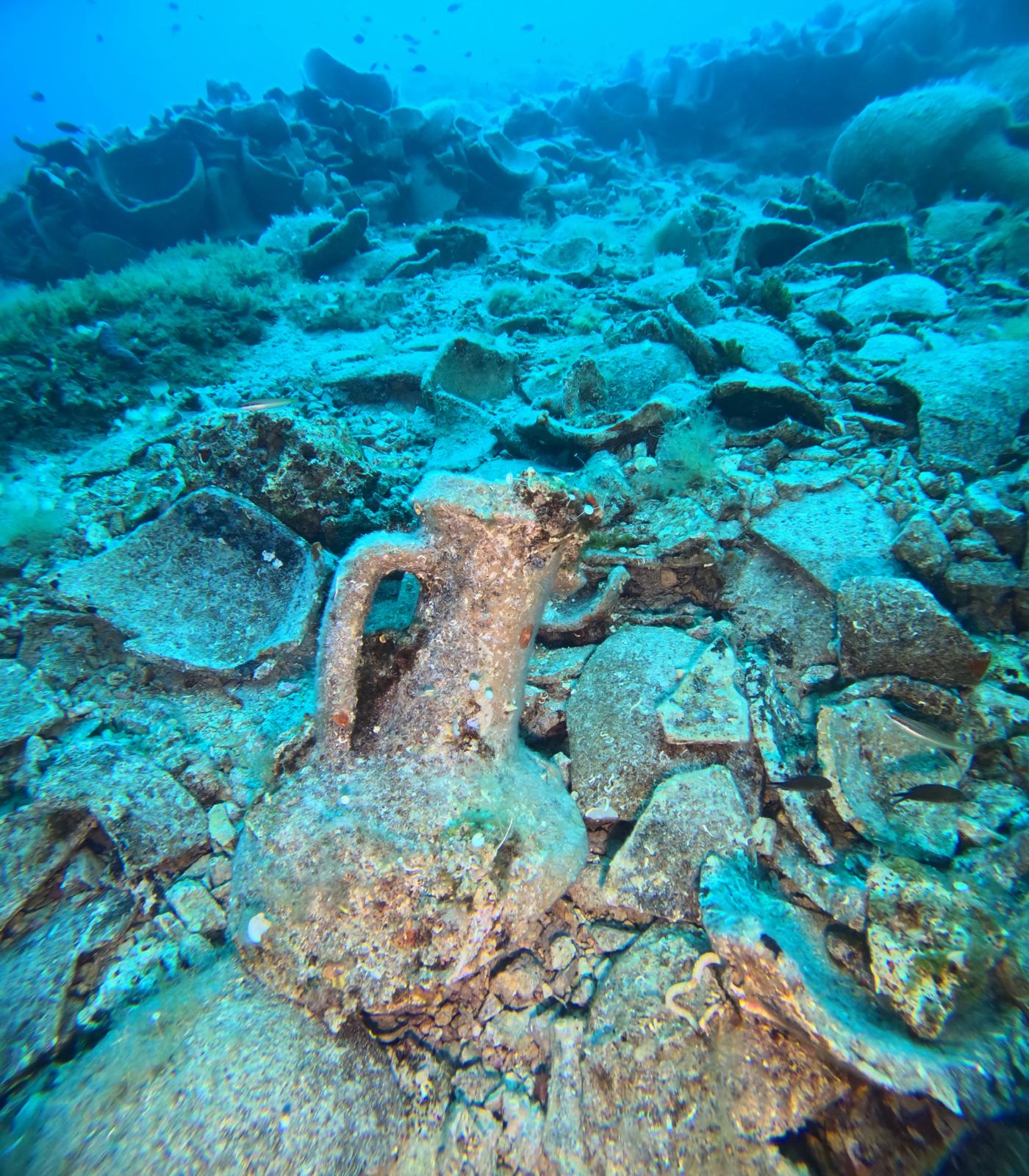
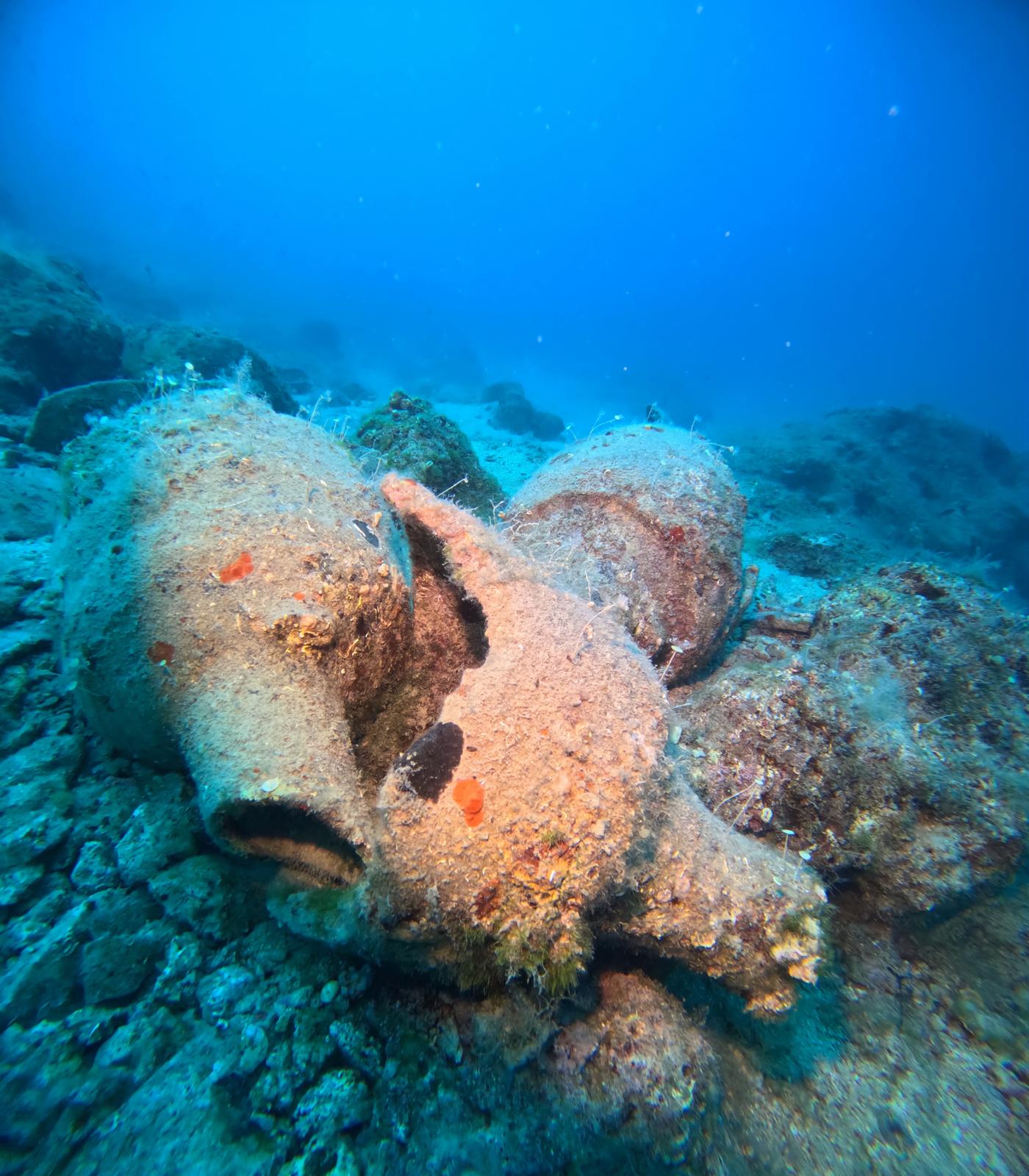
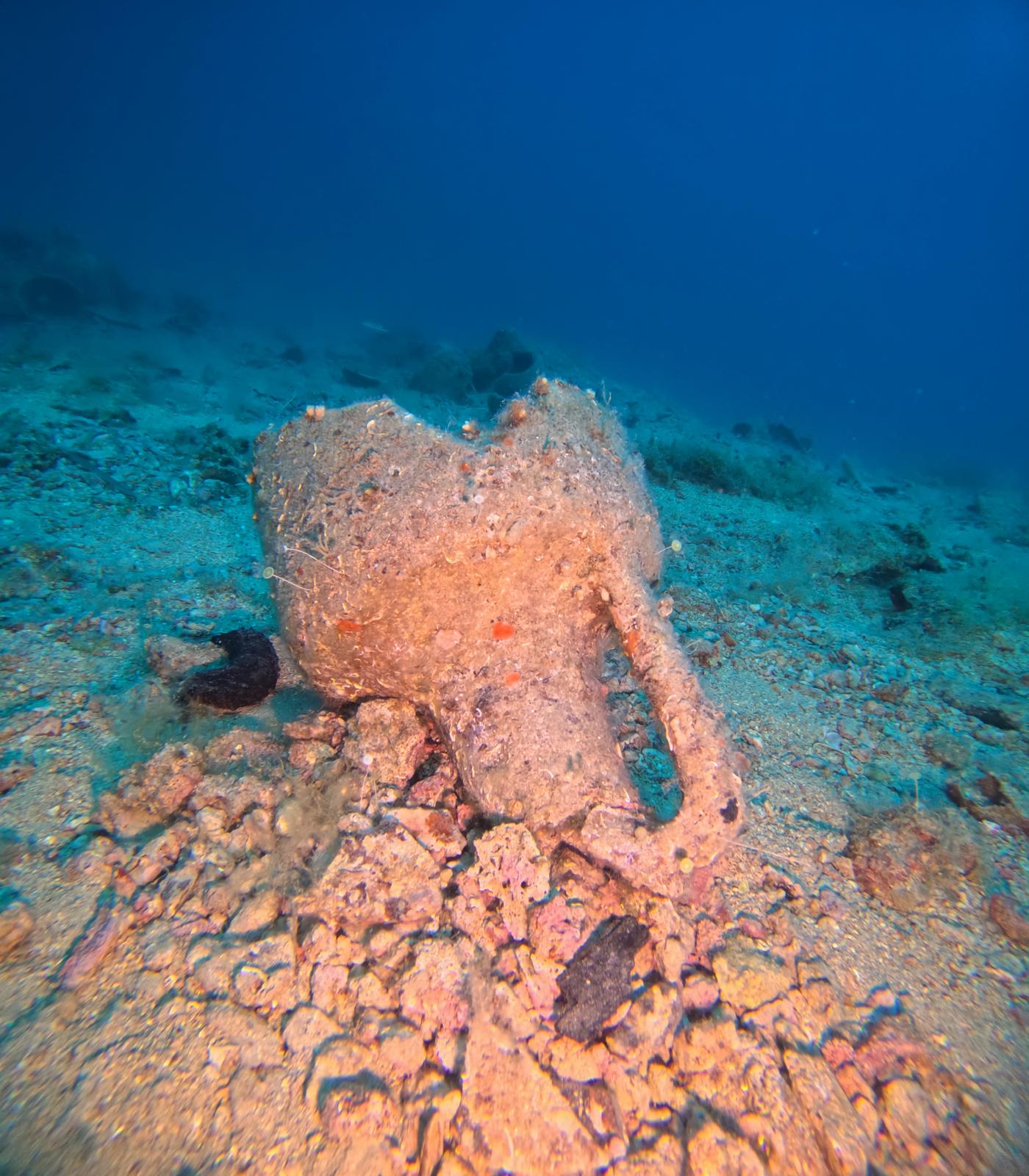
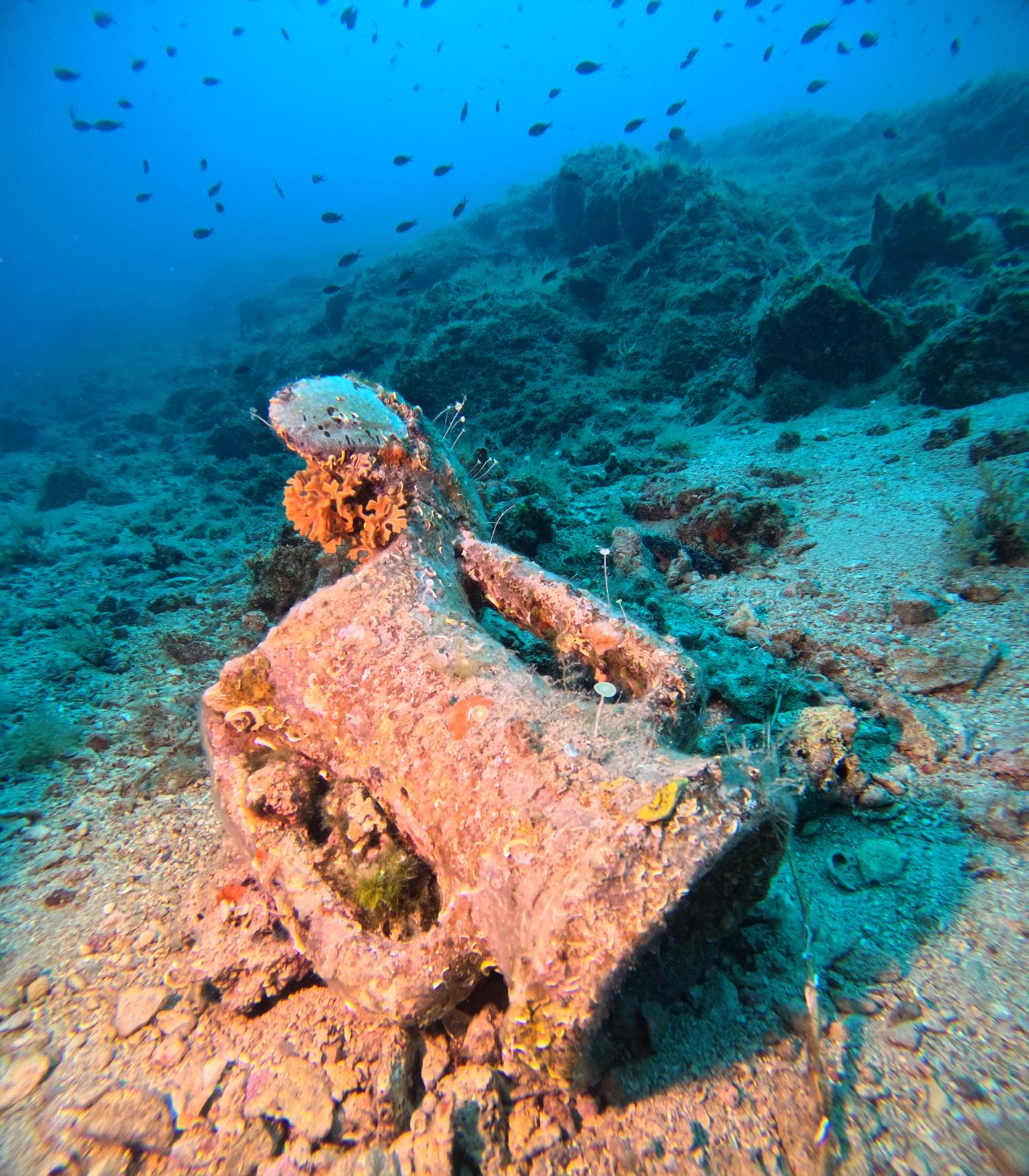
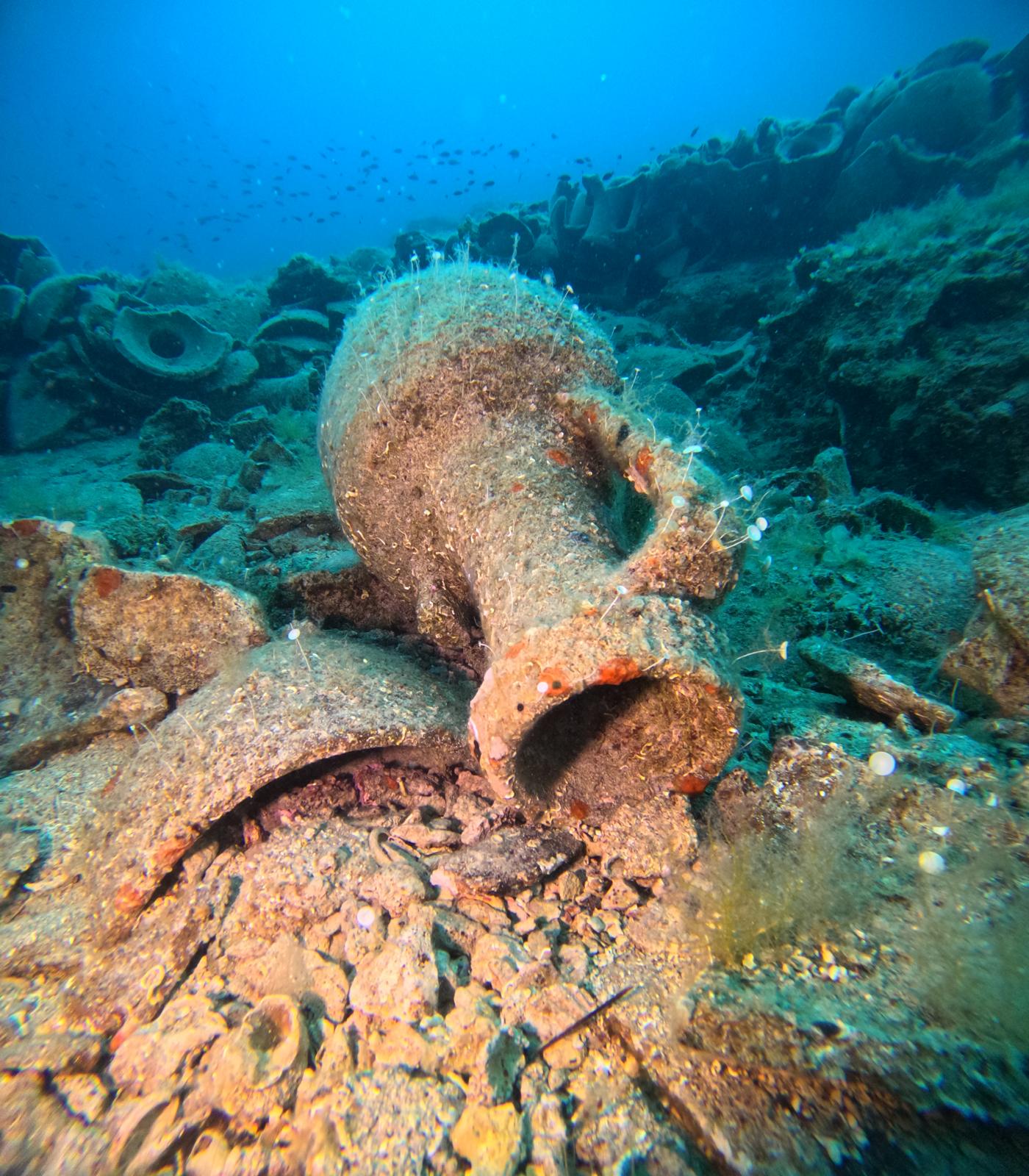
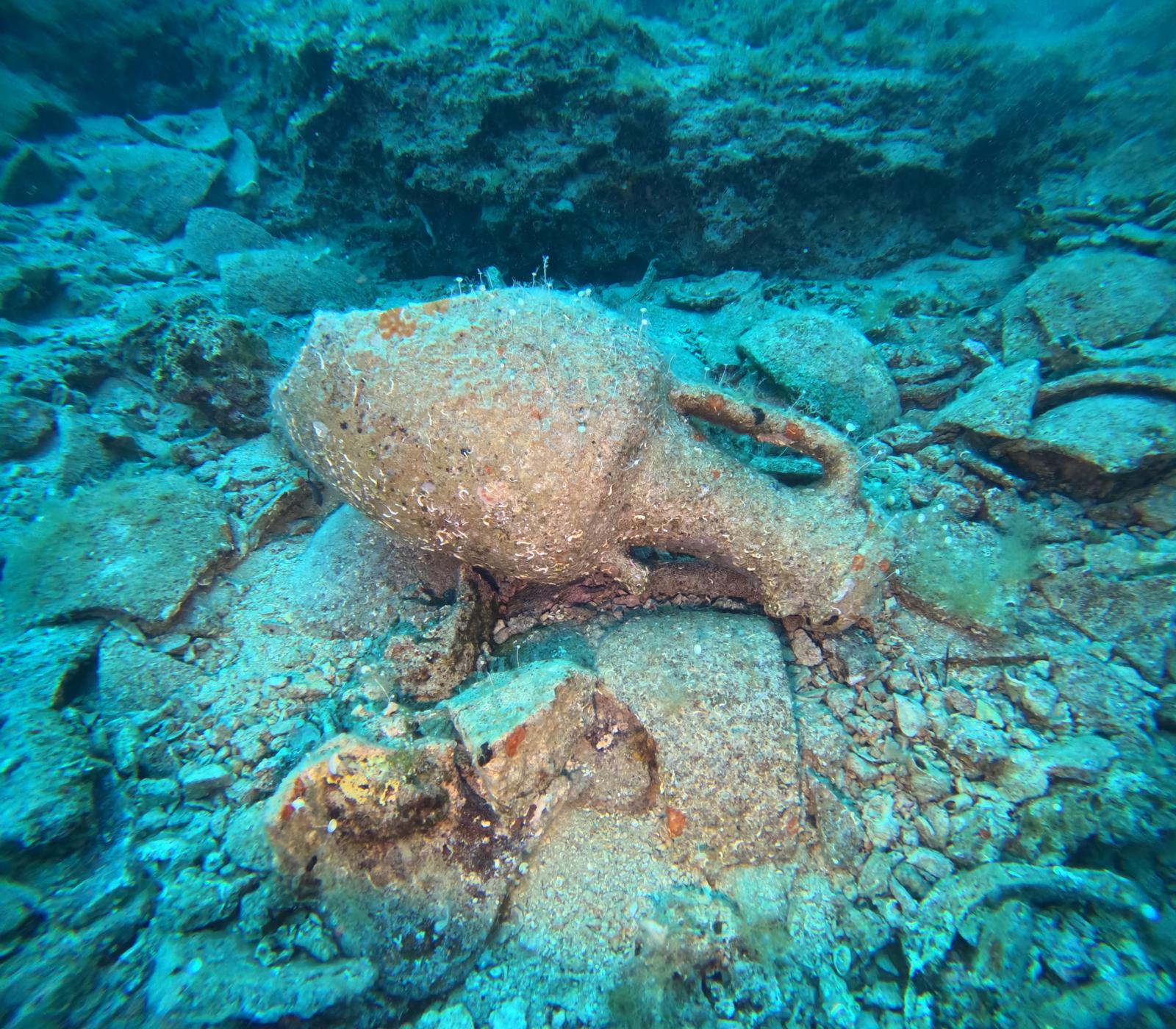
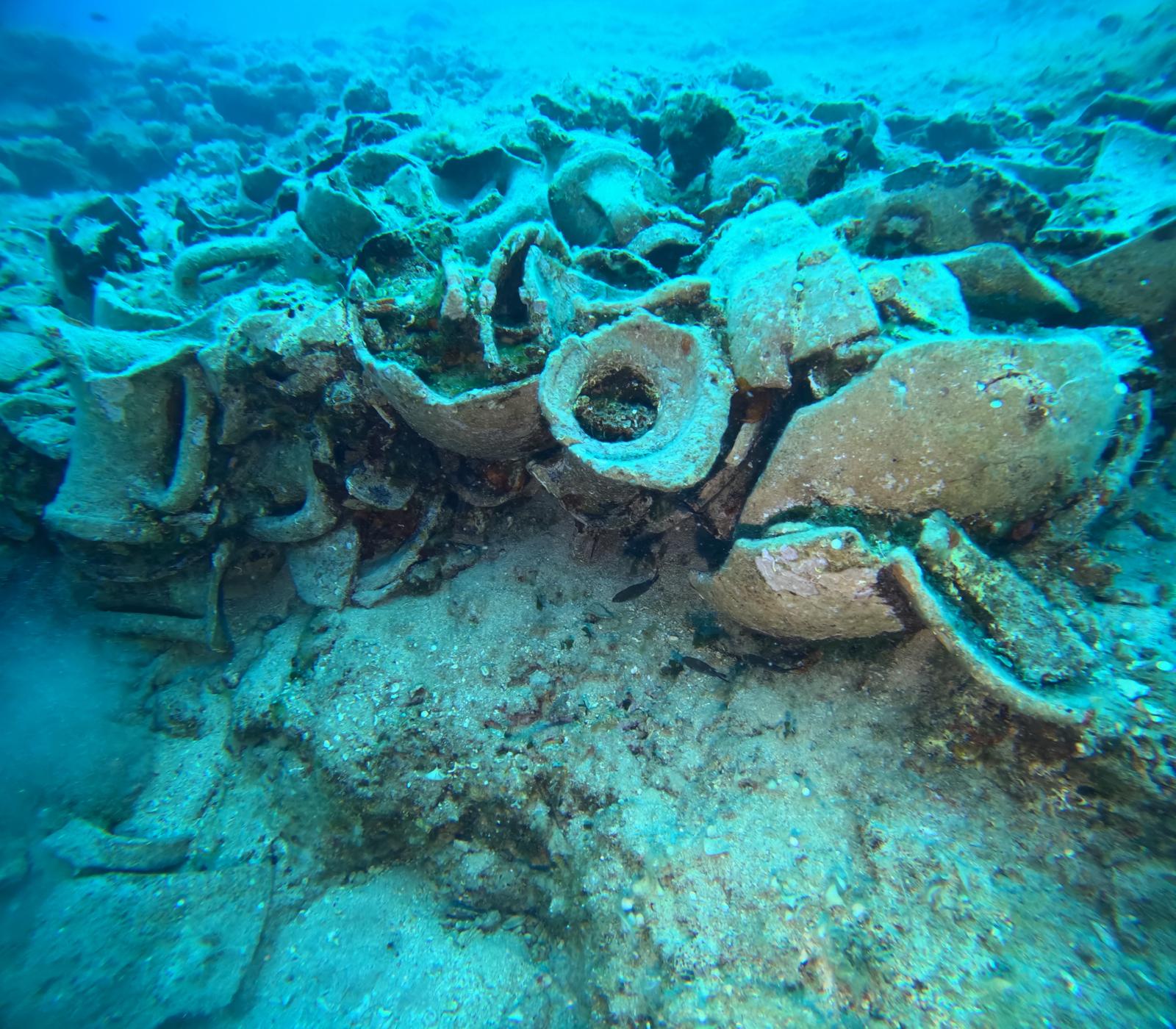
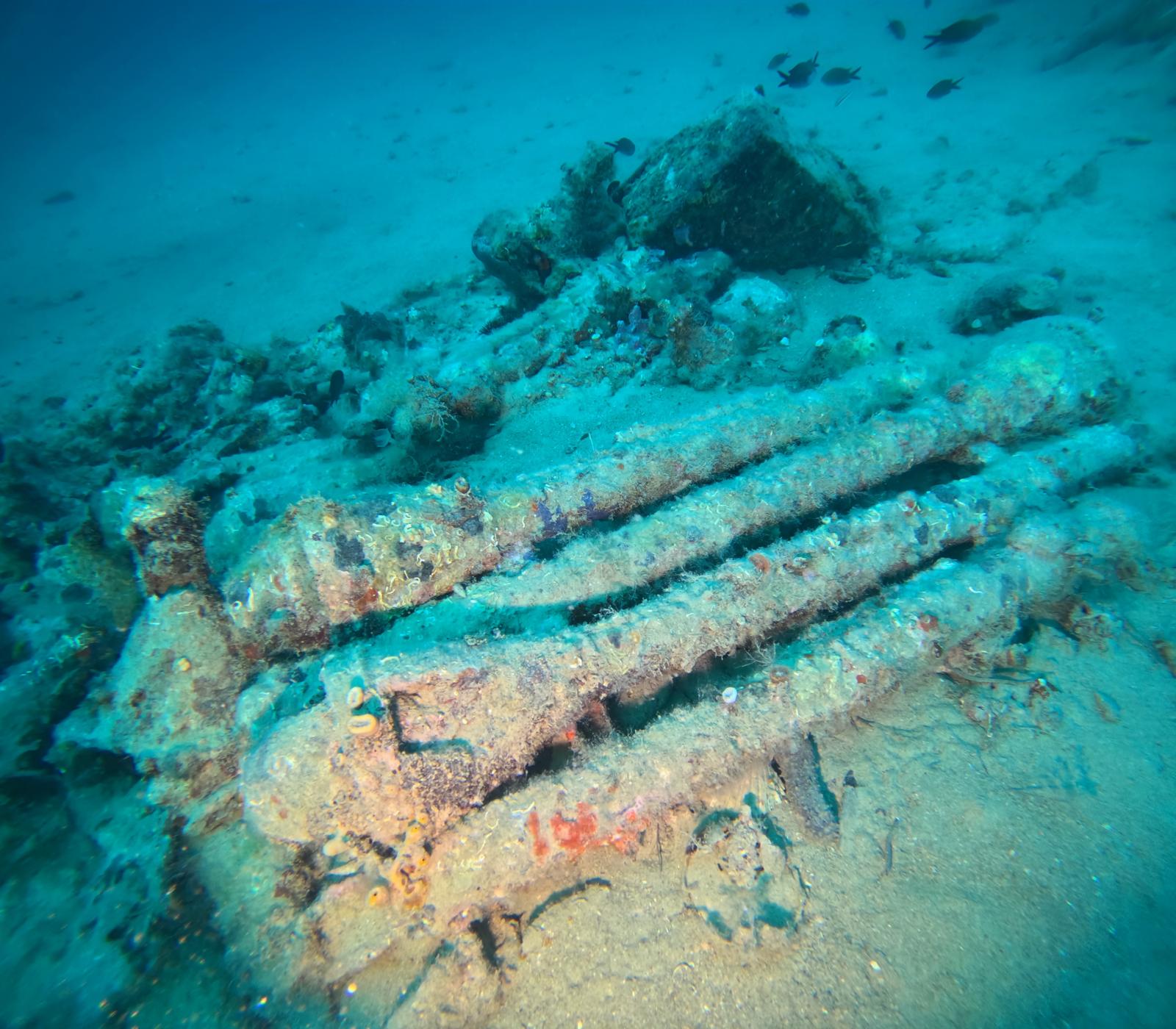
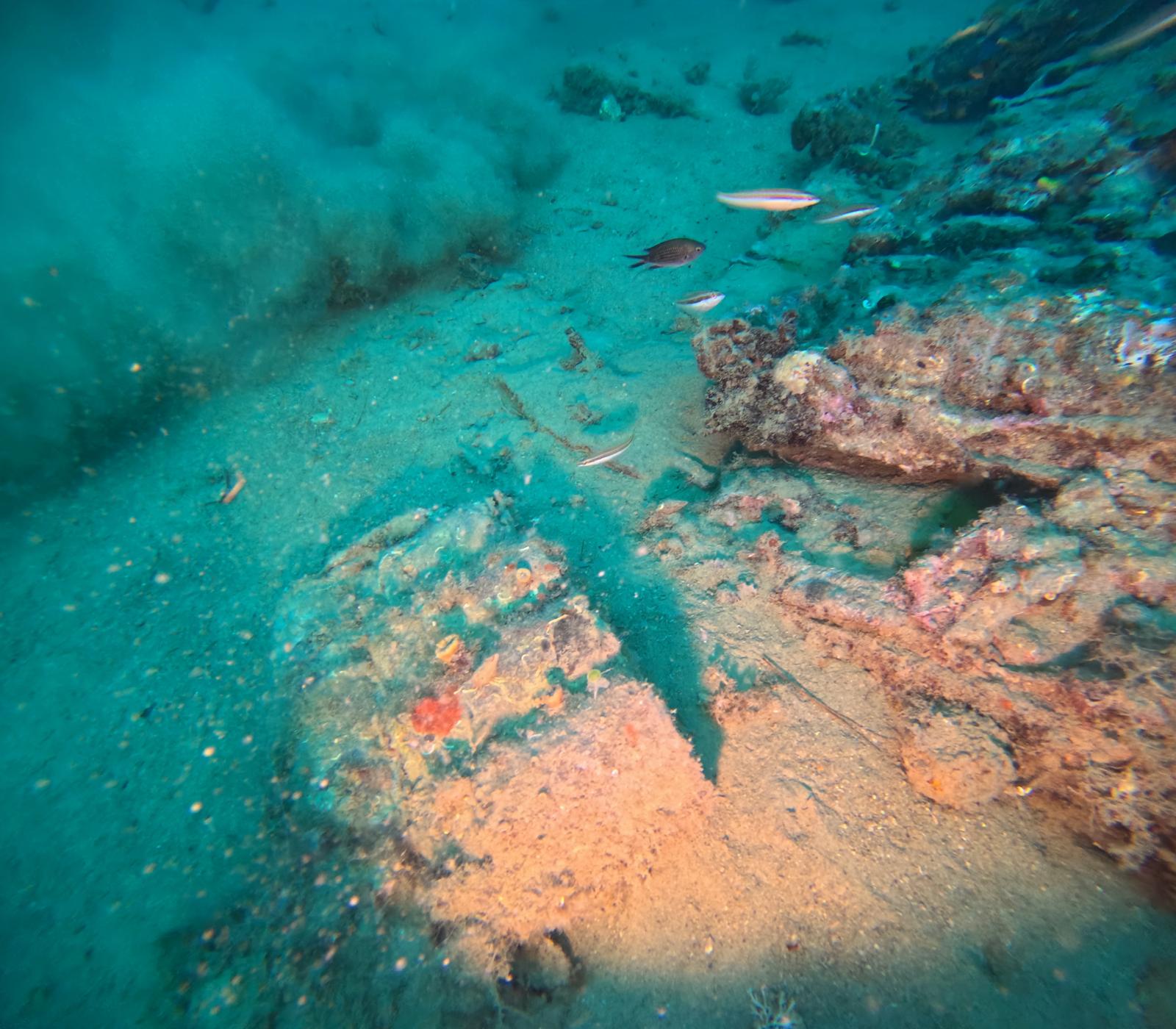
Povijesna lokacija iz 3 st p.n.e.
Grčko ilirski sukobi i trgovina Hvara i Visa sa Makarskom i obalom.
Brod je potonuo uz obalu Hvara na dubinu 15 – 25m. Lokalitet u posljednjih 30 godina dosta očuvan i ne devastiran !
Čist i divlji dio Hvara je užitak za ronioce koji vole fotografirati starine!
Grci su osnovali kolonije na jadranskoj obali (Hvar), što je dovelo do trgovine i razmjene dobara i ideja između dva naroda.
The Greeks founded colonies on the Adriatic coast (Hvar), which led to trade and the exchange of goods and ideas between the two peoples.
Amfora je antička keramička trbušasta posuda dugačkog i uskog vrata s dva drška i, najčešće, špicastim dnom. Rabila se za prijevoz i čuvanje vina, ulja, meda, usoljene ribe, datula, žitarica i dr. Specifični oblik nastao je prilagodbom potrebama brodskog prijevoza. Javljaju se u Grčkoj, preuzimaju ih Rimljani, a proizvode se sve do 11. st. na području Bizanta. Oblik amfora (zaobljenost, duljina vrata, izgled držača) ovisi o mjestu proizvodnje pa se razlikuju grčke (koje su i jedine ukrašavanje i ponekad imaju prošireno dno na kojem mogu samostalno stajati), sjevernoafričke, španjolske, istarske, italske, rimske.
Historical site from the 3rd century BC
Greco-Illyrian conflicts and trade of Hvar and Vis with Makarska and the coast.
The ship sank off the coast of Hvar at a depth of 15 – 25m. The site has been well preserved and not devastated in the last 30 years!
A clean and wild part of Hvar is a delight for divers who like to photograph antiquities!
An amphora is an ancient ceramic pot with a long, narrow neck, two handles, and, most often, a pointed bottom. It was used to transport and store wine, oil, honey, salted fish, dates, grains, etc. Its specific shape was created by adapting to the needs of ship transport. They appeared in Greece, were taken over by the Romans, and were produced until the 11th century in the Byzantine area. The shape of amphorae (roundness, length of the neck, appearance of the handle) depends on the place of production, so there are Greek (which are the only ones decorated and sometimes have a widened bottom on which they can stand on their own), North African, Spanish, Istrian, Italian, and Roman.
6 German war ship front peace by žuta kuća
Is nice very small wreck to make AOWD training on 18 m depth. Usually its on the beach and there is lot of tourists and bottles, bags…
7 Spitfire peace on the beach disappears
Is our home beach, and we make PADI TRAINING there. That is on 5 m depth entry from beach.
8 Wreck Komeljača
20 m below the reef Wall is nice wooden fishing wreck long 15m.
Nice place, wild beach, nature, reef…
9 Koca Pipan Brela – disappears
Is laying at 20 m depth close to reef rakovica .It is fishing boat1o m big, nothing spectacular. After short visiting dive is going to the reef. It s interesting for photography.
10 WRECK ‘Metkovic’ Medici Its a nice dive from beach, Max depth 12m,lot of small fish, nice viability, clear crystal sea, nice reef near.So it is not surprise that snorkeling or first time diving is available here.
11WRECK Galija
We dived at anchor to the wrecks of the oldtimer, but the big surprise down there was another large wooden galley. 56m bow to 58m. Visibility was low. Dive time was as short as the video.
zaronili smo po sidru na olupine oldtimer, međutim ogromno iznenađenje dole je još jedna velika drvena galija. 56m prova na 58 m. vidljivost je mala. Vrijeme urona kratko koliko traje video.
Wreck Željezni brod uz Galiju
When we wanted to drop anchor on the Galija a little to the south wind 10-15 m ahead the second time and dived in, the surprise was again that it was no longer a wooden Galija but an iron ship. Depth 56 m.
WRECK Oldtimers
At a depth of 56 m lie the wrecks of old buses, cars, an iron ship and 1 old galley. All within a radius of 100m in front of Makarska Port. Is visibility questionable in the fall? In the summer it’s ok! Of course these are depths for ONLY decompression dives.
Na dubini od 56 m leže olupine starih buseva auta i željezni brod te 1 stara Galija Sve u radijusu 100m ispred Luke Makarska. na jesen je vidljivost upitna? Ljeti je ok! Naravno ovo su dubine za TEK dekompresijske zarone.
11 Parobrod Dubrovnik Hvar
It is boat sunked 1917 in first world war frpm franch torpedo.In boat was sunked 18 children and womans without any arms.It historicall wreck 70 m long at 56 m depth.
12 Jedrenjak Mokosica Makarska
Wessel Mokosica is made 1894y.And suncked1992In croatian Serb War.The wooden wessel was doing job of transporting sand and stones and steel from Split To Ploce and Metkovic. It Is sunked because the owner didnt pay servis for rebuilding.That was ship in very good condition just in bad hands of post socialist companies.55 m depth.
Fisher boat Rasotica Brač
It is a wreck on 20 m depth. Fishing boat sank in 1970 in a bay. Boat burnet completely.Near are the nice stones with small wall with plenty of small fishes and spunches colours.Depth is 22 metres. Boat is 12 metres big. Reef is possible to snorkeling divers.
13 Bracera hir – bracera mare:
2 Wrecks are laying on 54 metres .Fisher divers hounting skorpion fishes , Eals .Boats are 20 metres long , wooden sunked ,in front of Makarska.Wreck is old traditional form of adriatic trabakuls ships from 18-19 ct.There you can find good skorpion fish.
Bombarder liberator Pelješac Lovište
 Welcome dear divers try out winter dives abd every day at 10 we wait you!